Frequently Asked Questions
What is mechanical, biomechanical, and surface testing?
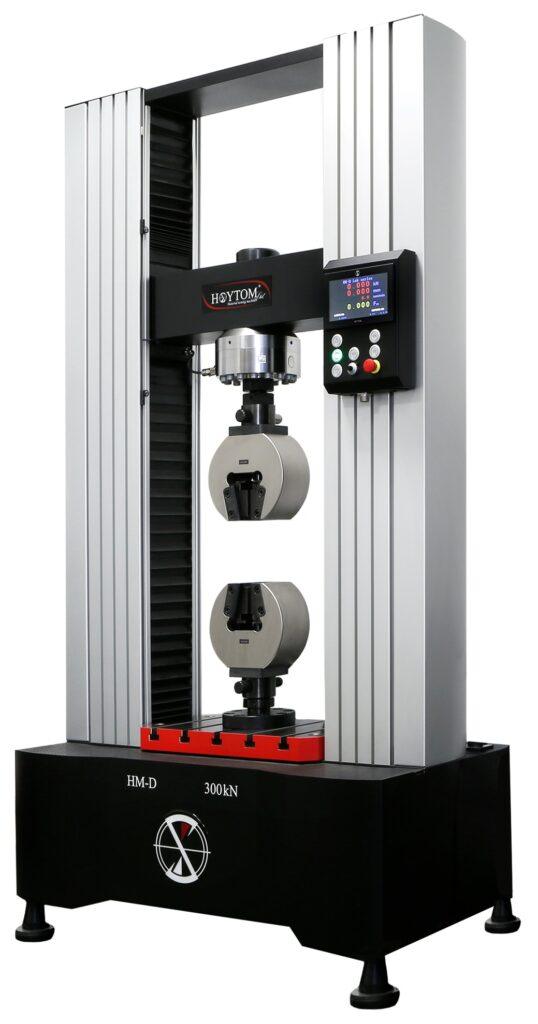
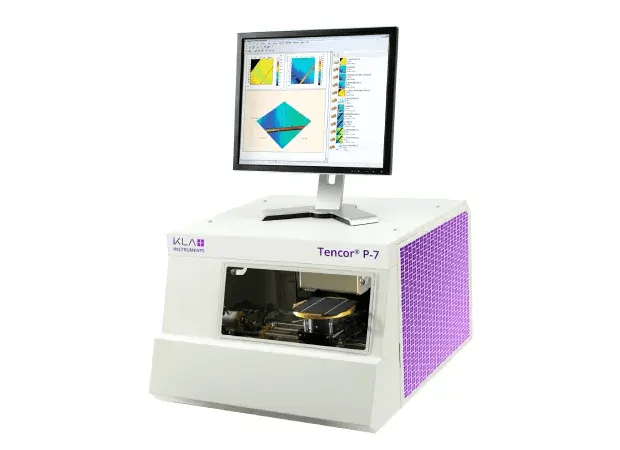
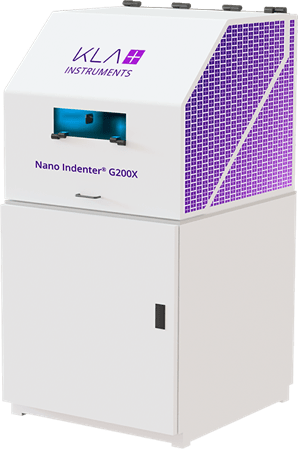
This is a group of techniques that characterize how materials and components respond to applied forces and how their surfaces behave. It spans static and dynamic mechanical testing, biomechanical evaluation of devices and tissues, and surface measurements such as roughness, adhesion, and nanoindentation.
What can mechanical and surface testing be used for?
These tests determine strength, stiffness, durability, hardness, friction, wear, and surface finish for design, quality control, and failure analysis. Biomechanical testing extends this to medical devices, implants, and biological or biomimetic materials under physiologically relevant conditions.
What sample is required for mechanical and surface testing?
Requirements vary by test, from standardized machined specimens for tensile or fatigue work to flat coupons for surface and nanoindentation measurements and finished components for biomechanical testing. Materials Metric advises on specimen geometry, quantity, and preparation for the chosen method.
Which standards apply to mechanical and surface testing?
Relevant references include ASTM E8 and ISO 6892 for tensile testing, ISO 14577 for nanoindentation, and ISO 4287 for surface roughness, among others. Materials Metric applies validated or fit-for-purpose methods aligned with ASTM/ISO where applicable to each test and application.