Coating Failure Analysis, Paint & Adhesive Testing
Independent Analysis of Coatings, Paints, Adhesives & Bonded Interfaces
Coating and adhesive performance depends on formulation chemistry, substrate preparation, cure conditions, thickness, interfacial bonding, environmental exposure, surface contamination, and service conditions. A small change at the interface can result in delamination, blistering, cracking, corrosion, discoloration, or loss of adhesion.
Materials Metric provides coating failure analysis, paint testing, adhesive characterization, and surface evaluation for industrial, automotive, aerospace, medical, construction, consumer, energy, and research applications. Our investigations combine chemical, microscopic, surface, thermal, and mechanical evidence to evaluate why a coating or bond performed differently than expected.
Industry Risks & Technical Challenges
Common technical challenges may include:
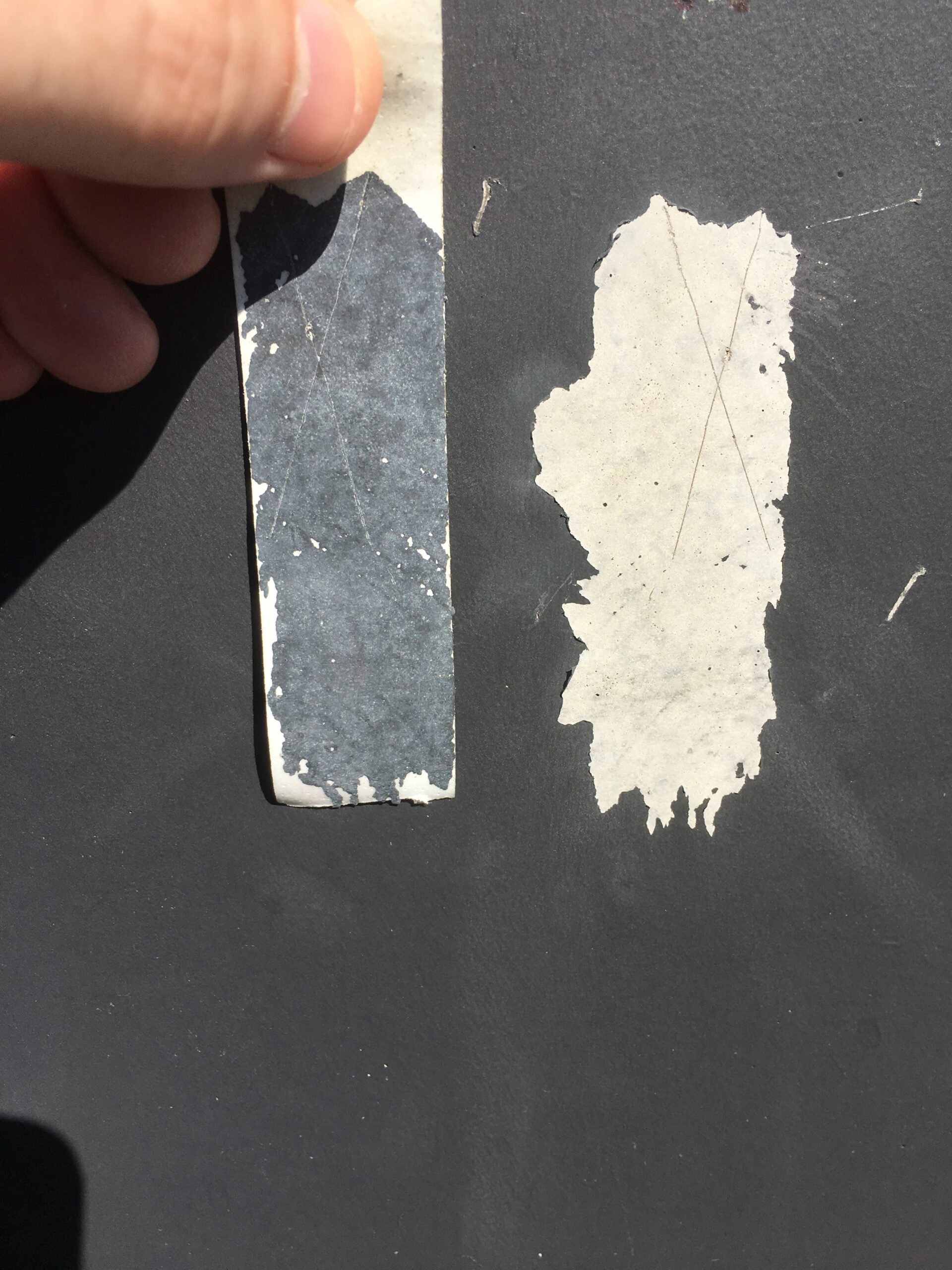
- Delamination, peeling, blistering, flaking, or loss of adhesion
- Cracking, crazing, checking, erosion, or wear
- Discoloration, chalking, oxidation, or chemical degradation
- Incomplete cure, formulation variation, or incorrect mix ratio
- Surface contamination or inadequate substrate preparation
- Corrosion beneath a protective coating
- Adhesive cohesive failure, interfacial failure, or substrate failure
- Unexpected thickness, porosity, inclusions, voids, or layer defects
- Supplier or lot-to-lot differences in coating or adhesive chemistry
Our Analytical Approach to Coating & Adhesive Failure Analysis
A coating failure is usually an interface problem as much as a bulk-material problem. Materials Metric can examine the coating, substrate, fracture surface, contamination, cross-section, chemistry, and thermal behavior to determine where meaningful differences are present.
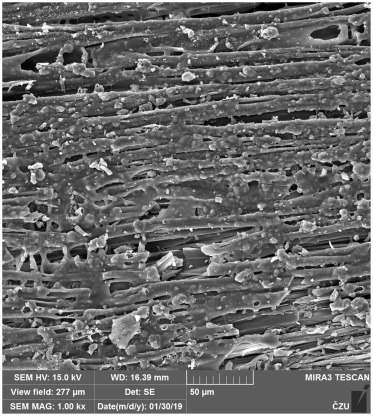
- SEM/EDS for coating cross-sections, fracture surfaces, particles, corrosion products, defects, and elemental mapping
- FTIR and Raman for binders, polymers, adhesives, residues, cure-related changes, and chemical identification
- DSC and TGA for cure behavior, transitions, composition, filler content, and thermal degradation
- XPS, XRF, ICP, XRD, or other surface/elemental methods where appropriate
- Optical microscopy, profilometry, roughness, thickness, and cross-sectional imaging
- Mechanical adhesion, wear, or surface testing when included in scope
- Chemical purity and contaminant screening for residues, oils, cleaning agents, or foreign materials
- Comparative testing of good versus failed coatings, process conditions, suppliers, or aging exposures
Standards & Technical Frameworks
Coating and adhesive projects may reference applicable ASTM, ISO, industry, OEM, or client specifications. Common needs include adhesion, abrasion, corrosion, thickness, thermal, chemical, and surface characterization. Where the problem is investigative, Materials Metric can build a custom root-cause workflow rather than limiting the study to a pass/fail method.
Coatings & Adhesive Systems We Evaluate
- Industrial and protective coatings
- Paints, primers, and multilayer coating systems
- Medical-device and biomaterial coatings
- Automotive and aerospace coatings
- Construction and infrastructure coatings
- Adhesives, sealants, epoxies, pressure-sensitive materials, and bonded joints
- Thin films, plated surfaces, conversion coatings, and functional layers
- Unknown residues, contaminants, deposits, and interface materials
Common Coating & Adhesive Investigations
- Why did the coating peel, blister, crack, or discolor?
- Did contamination or poor surface preparation contribute to adhesion loss?
- Is the failed coating chemically different from a reference?
- Was the adhesive fully cured or compositionally consistent?
- What is present at the failed interface?
- Did corrosion begin beneath or through the coating?
- Are coating thickness, layer structure, or filler distribution different between samples?
- Did heat, chemical exposure, sterilization, UV, or weathering alter the coating?
Why Materials Metric?
Materials Metric combines surface science, microscopy, spectroscopy, thermal analysis, elemental characterization, and mechanical evaluation to investigate both the coating or adhesive and the interface where failure often begins.
- Cross-sectional and surface analysis for multilayer coatings and bonded interfaces
- SEM/EDS, FTIR, Raman, thermal, elemental, and surface-characterization capabilities
- Independent root-cause investigations for delamination, blistering, corrosion, contamination, and cure-related failures
- Experience with polymeric, metallic, ceramic, protective, biomedical, and functional coatings
- Comparative analysis of control versus failed, new versus aged, and supplier-to-supplier samples
- Custom investigation design when standard adhesion or coating tests do not explain the field failure
- Clear technical reporting linking observed evidence with plausible failure mechanisms and next-step testing
Frequently Asked Questions
What causes coating failure?
Coating failures can result from contamination, inadequate surface preparation, incorrect cure, formulation variability, poor adhesion, chemical incompatibility, thermal expansion mismatch, corrosion, environmental exposure, or mechanical damage. Laboratory analysis helps determine which mechanisms are supported by the physical and chemical evidence.
Can you analyze why an adhesive bond failed?
Yes. The fracture surfaces and bonded interface can be examined to determine whether the failure is primarily cohesive, interfacial, substrate-related, contaminated, under-cured, or associated with a material difference. Chemical and microscopic comparison with a control can be valuable.
Can Materials Metric identify an unknown coating?
Often, yes. FTIR, Raman, SEM/EDS, XRF, XPS, thermal analysis, microscopy, and chromatography may be used to characterize different aspects of a coating. Multilayer or proprietary systems may require several complementary methods.
Can you compare good and failed coating samples?
Yes. Good-versus-failed comparisons can evaluate chemistry, thickness, interfaces, morphology, contamination, cure behavior, filler content, corrosion products, and other variables that may explain the performance difference.
Discuss Your Coating & Adhesive Project
To learn more about our capabilities or to discuss a specific testing, characterization, investigation, or R&D need, please contact Materials Metric using the form below. Our team can help define an appropriate analytical approach based on your sample, technical question, project stage, and intended use of the data.