Environmental Sample & Water Contaminant Analysis
Specialized Analytical Characterization for Environmental Samples, Water & Contaminants
Environmental investigations often involve complex, low-concentration, heterogeneous, or poorly identified materials. A water sample may contain trace metals, suspended particles, mineral deposits, polymers, corrosion products, or unknown residues that require more than a single routine measurement to characterize.
Materials Metric provides environmental sample and water contaminant analysis for research organizations, manufacturers, consultants, engineers, universities, product developers, and specialized investigations. Our strength is advanced characterization of trace elements, particles, microplastics, deposits, residues, and unknown materials using complementary chemical and microscopic techniques.
Industry Risks & Technical Challenges
Common technical challenges may include:
- Trace-metal contamination and source comparison
- Unknown particles, fibers, films, precipitates, or suspended solids
- Microplastics and polymeric particulate identification
- Mineral scale, corrosion products, and industrial deposits
- Unexpected residues or contaminants in process or environmental water
- Material changes after environmental exposure
- Comparative analysis of upstream/downstream, control/problem, or time-series samples
- Need for targeted scientific investigation beyond a routine compliance panel
Our Analytical Approach to Environmental Sample Analysis
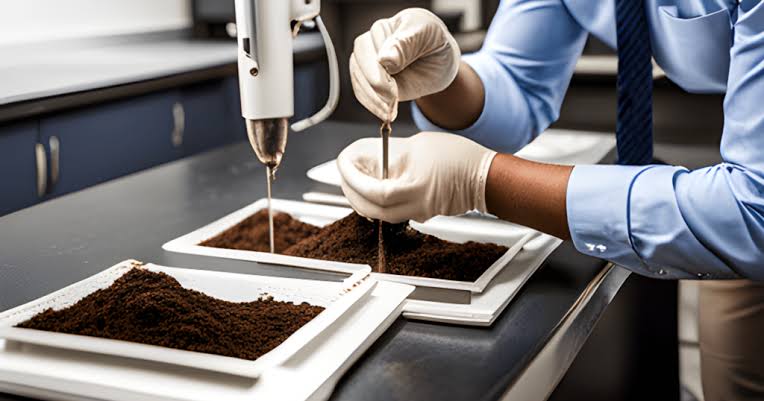
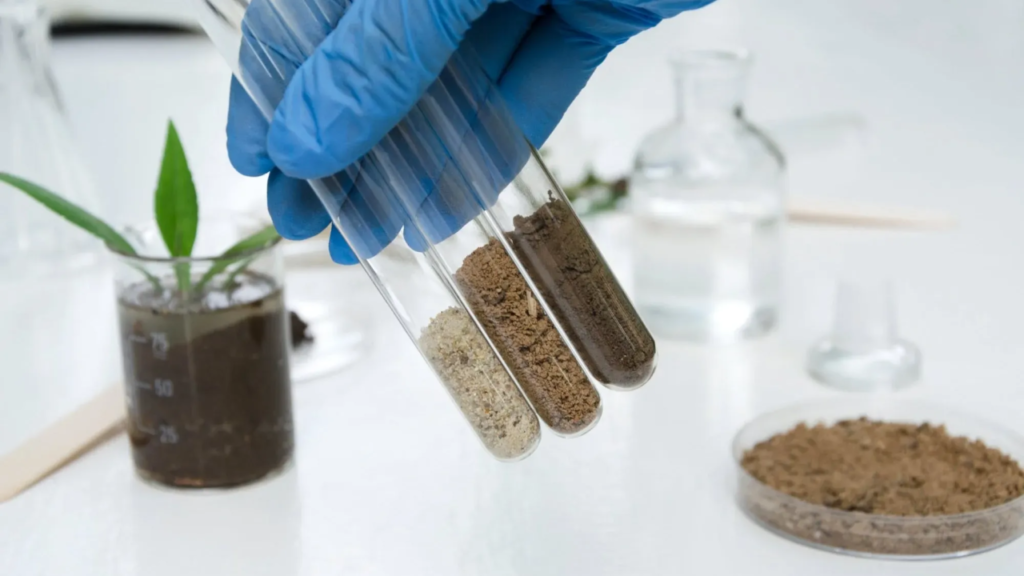
Environmental samples can be chemically and physically heterogeneous. Materials Metric can combine trace-element analysis, microscopy, spectroscopy, mineralogical methods, and particle characterization to determine what a contaminant is and how samples differ.
- ICP-MS or ICP-OES for trace and multi-element analysis
- SEM/EDS for particle morphology, elemental composition, deposits, scale, and corrosion products
- FTIR and Raman for polymers, microplastics, organic residues, and material identification
- XRD for crystalline mineral, scale, and phase identification
- XRF for rapid elemental screening of solids and deposits where appropriate
- Microscopy and particle characterization for fibers, debris, morphology, and heterogeneous solids
- GC-MS, LC-MS, or targeted chemical methods when organic characterization is within scope
- Comparative analysis and custom method development for research or industrial investigations
Regulatory & Method Considerations
Environmental regulatory compliance testing may require specific sampling procedures, approved methods, certifications, reporting limits, holding times, chain-of-custody practices, or laboratory accreditations. Materials Metric can support scientific and investigative characterization; projects intended for formal regulatory compliance should identify those requirements before sample collection or submission.
Samples We Evaluate
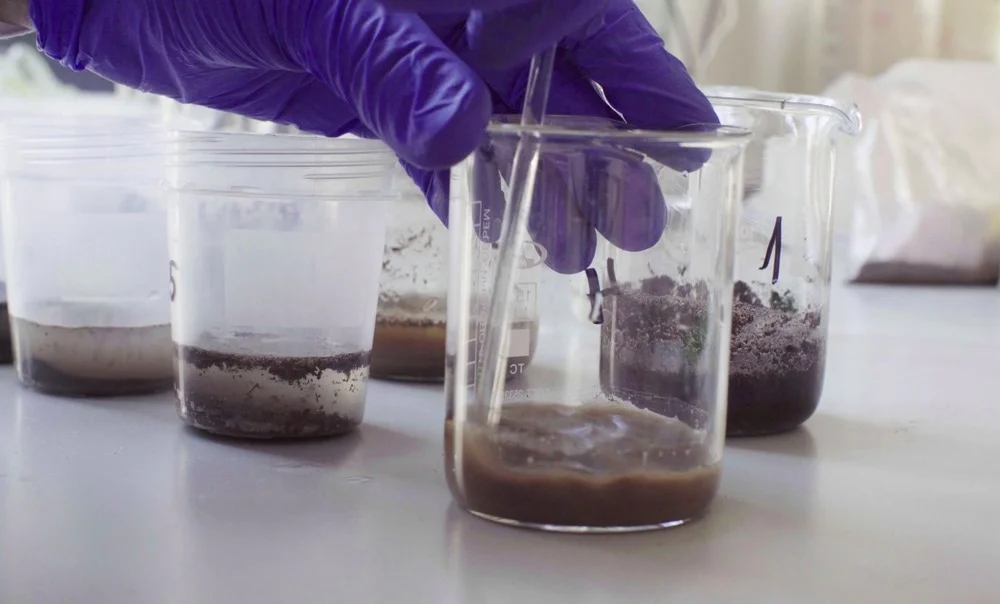
- Water and process-water samples
- Deposits, scale, precipitates, and corrosion products
- Filters and captured particulates
- Sediments, powders, residues, and industrial solids
- Polymeric particles and suspected microplastics
- Unknown contaminants and foreign materials
- Materials exposed to environmental aging or weathering
- Research samples requiring specialized analytical characterization
Common Environmental Investigations
- What elements are present in a water or deposit sample?
- What is the identity of an unknown particle, fiber, or residue?
- Is a suspected particle polymeric or mineral?
- What mineral phases are present in scale or precipitate?
- How do control and affected locations differ analytically?
- What is the composition of corrosion product or industrial deposit?
- Did environmental exposure change the material chemistry or structure?
- Which analytical techniques are most appropriate for a specialized environmental question?
Why Materials Metric?
Materials Metric is particularly suited to environmental projects that require advanced contaminant identification, particle analysis, trace-element characterization, and cross-technique scientific interpretation rather than a routine one-size-fits-all compliance panel.
- Trace-metal and elemental analysis using ICP-based and complementary methods
- Microplastic, polymer, particle, deposit, and unknown-material characterization
- SEM/EDS, FTIR, Raman, XRD, XRF, microscopy, and chemical-analysis capabilities
- Customized environmental investigations for research and industrial troubleshooting
- Ability to integrate particle morphology with chemical and elemental identity
- Comparative sample analysis for source, process, or location-based investigations
- Clear scope distinctions when regulatory compliance requires specific certified methods or sampling protocols
Frequently Asked Questions
Can Materials Metric test water for heavy metals?
Materials Metric can support trace-metal and elemental analysis using techniques such as ICP-MS or ICP-OES. If the results are intended for a specific regulatory compliance program, the required method, sampling protocol, accreditation, reporting limit, and chain-of-custody requirements should be confirmed before testing.
Can you identify microplastics or unknown particles?
Potentially, yes. Microscopy, FTIR, Raman, SEM/EDS, and related methods can help characterize particle morphology and determine whether particles are polymeric, mineral, metallic, biological-looking, or another material class. Very small particles may require specialized workflows.
Can you analyze scale or deposits from pipes and water systems?
Yes. Deposits and scale can be evaluated using SEM/EDS, XRD, XRF, ICP, FTIR, Raman, and other methods to characterize elemental composition, crystalline phases, morphology, and possible organic components.
Do you provide regulatory drinking-water compliance testing?
Materials Metric can provide specialized scientific analysis, but formal compliance programs may require specific certified laboratories and approved sampling methods. If the data will be used for regulatory reporting, that requirement should be identified before the project is accepted.
Discuss Your Environmental Analysis Project
To learn more about our capabilities or to discuss a specific testing, characterization, investigation, or R&D need, please contact Materials Metric using the form below. Our team can help define an appropriate analytical approach based on your sample, technical question, project stage, and intended use of the data.