Advanced Engineering & Manufacturing
Independent Scientific Testing, Characterization & R&D Support Across Diverse Industries
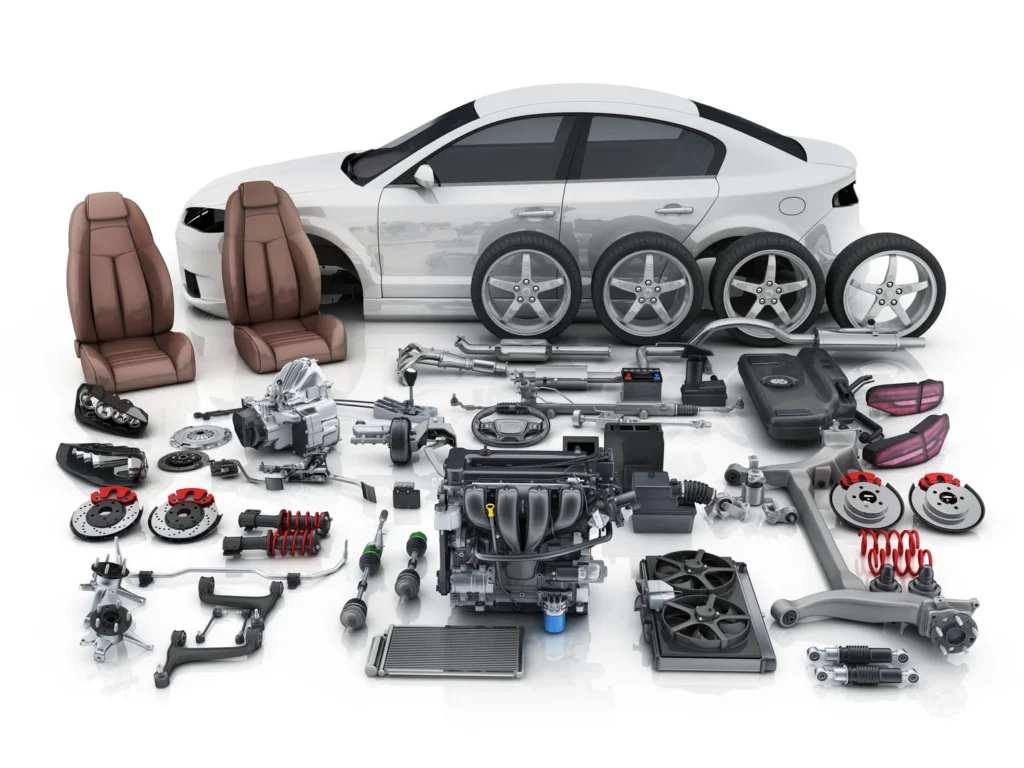
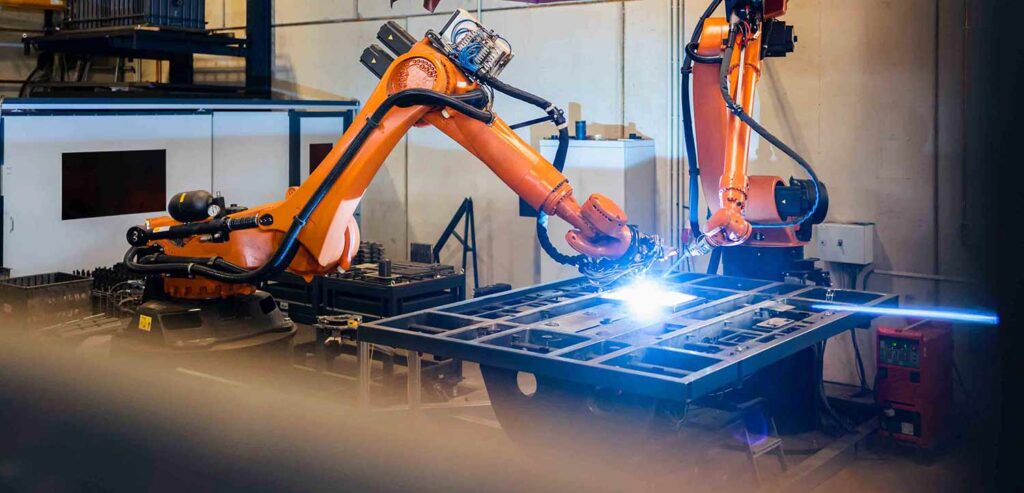
Modern products and technologies depend on materials, formulations, components, and biological systems that must perform reliably under demanding mechanical, chemical, thermal, environmental, and application-specific conditions. From medical devices and aerospace components to cosmetics, consumer products, polymers, electronics, energy technologies, and advanced manufacturing, reliable laboratory data are essential for product development, quality control, troubleshooting, and technical decision-making.
Materials Metric provides independent laboratory testing, materials characterization, analytical testing, product testing, failure analysis, and scientific R&D support for companies, universities, research organizations, startups, manufacturers, and individual clients across a broad range of industries.
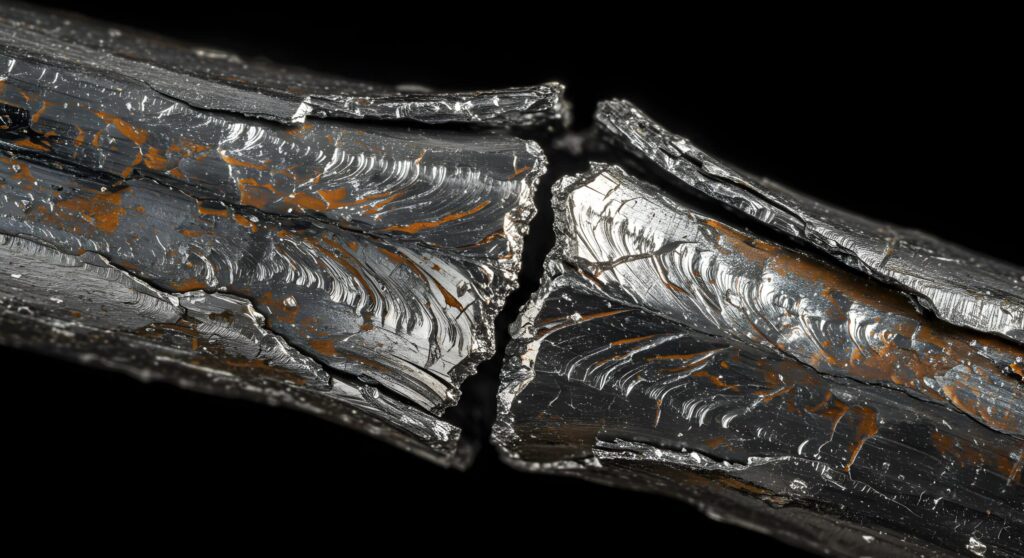
Our services support product development and R&D, material and formulation characterization, product qualification, supplier and raw-material evaluation, quality investigations, regulatory and technical documentation, competitive product analysis, failure analysis, contaminant identification, and customized one-of-a-kind testing programs.
We characterize materials and products including metals, alloys, polymers, plastics, elastomers, ceramics, composites, coatings, thin films, glass, pigments, powders, biomaterials, cosmetic formulations, packaging systems, and advanced engineered materials. Depending on the technical question, testing may incorporate SEM/EDS, XRD, XRF, FTIR, Raman spectroscopy, ICP-MS, GC-MS, LC-MS, thermal analysis, microscopy, particle characterization, elemental analysis, chemical analysis, mechanical evaluation, and other specialized laboratory methods.
Rather than applying the same test package to every project, Materials Metric develops industry-specific and application-specific strategies based on the material or product, performance requirement, suspected failure mechanism, applicable standard, and scientific question being investigated.
Industry-Specific Testing & Scientific Expertise
Different industries face different technical risks. Our industry pages connect those challenges with the most relevant analytical tools, scientific expertise, and testing workflows so clients can quickly identify the support most applicable to their project.