Textile Materials Testing, Abrasion Resistance & Fabric Performance Characterization
Textile Materials Testing & Performance Characterization
Textile materials or fabric must maintain strength, flexibility, abrasion resistance, and dimensional stability during repeated use, loading, washing, environmental exposure, and mechanical wear. From industrial webbing and safety straps to coated fabrics, medical textiles, geotextiles, and performance apparel, material durability directly affects product reliability and user safety.
Industry Risks & Technical Challenges
Textile and fabric failures often originate from fiber damage, coating degradation, inconsistent weave structure, weak bonding, contamination, or insufficient abrasion resistance.
Common challenges include:
- Abrasion-related strength loss
• Premature fraying, tearing, or fiber breakage
• Coating delamination or cracking
• Reduced tensile strength after wear or conditioning
• Inconsistent webbing or strap performance
• Fiber contamination or foreign particle inclusion
• Material degradation after heat, moisture, UV, or chemical exposure
• Variation between production lots or suppliers
Early textile testing helps identify performance risks before product release, customer complaints, or field failure.
Our Analytical Approach to Textile Materials Testing
Our approach combines mechanical testing, abrasion evaluation, microscopy, and materials characterization to understand both performance and root cause.
Our services include:
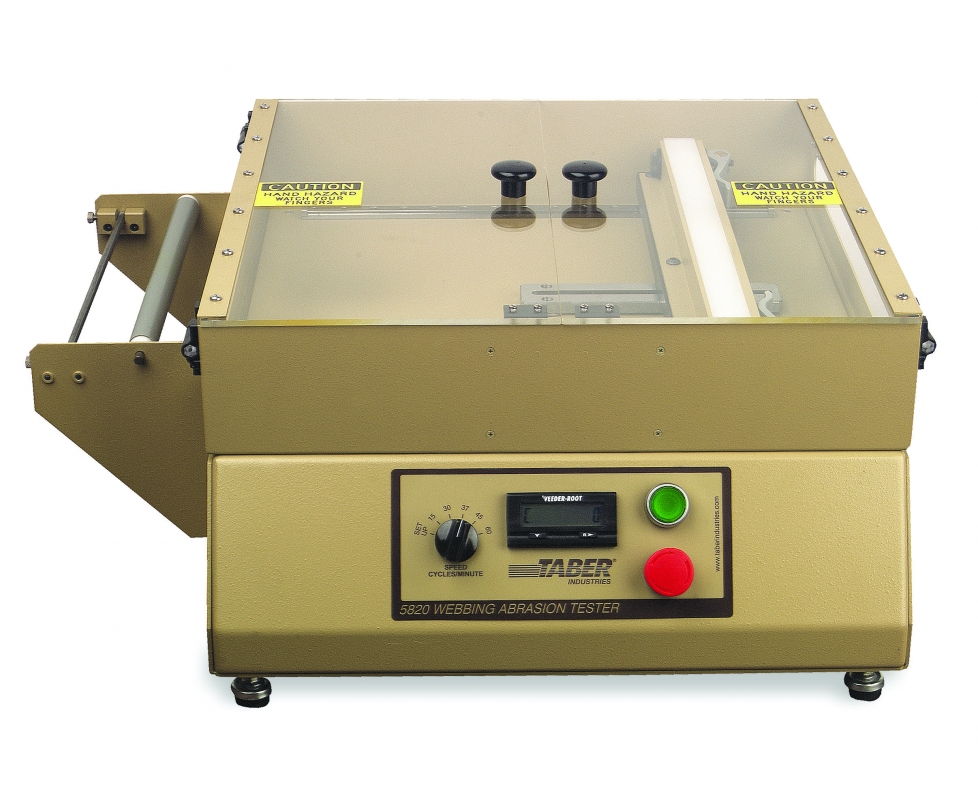
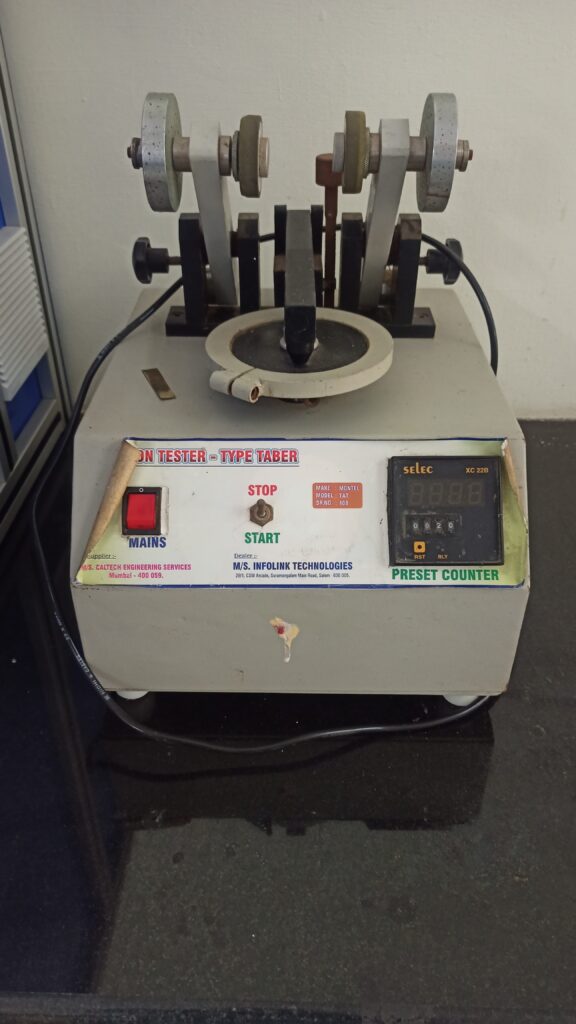
- Abrasion Resistance Testing to evaluate wear durability of textile fabrics, webbing, straps, and coated materials
• Hex Bar Abrasion Testing for textile webbing, including retained breaking strength after abrasion
• Tensile Strength and Elongation Testing to measure breaking force, elongation, and load-bearing performance
• Retained Breaking Strength Evaluation to compare abraded and unabraded specimens
• Tear and Puncture Resistance Testing where applicable to product use
• SEM Imaging and EDS Analysis to examine fiber damage, coating failure, contamination, and elemental composition
• FTIR and Raman Spectroscopy to identify fibers, polymers, coatings, residues, or unknown contaminants
• Thermal Analysis by DSC/TGA to evaluate polymer stability, coating composition, and degradation behavior
• Microscopy and Visual Defect Documentation to evaluate fraying, fiber pull-out, coating cracks, and structural defects
• Conditioning and Preconditioning of textile specimens before mechanical or abrasion testing when required by the test method
As an independent analytical laboratory, we provide objective textile performance data for quality decisions, supplier evaluation, and technical documentation.
Applicable Standards & Regulatory Frameworks
Testing programs may be structured with reference to applicable ASTM, ISO, AATCC, or customer-specific methods depending on material type and end use.
Relevant standards may include:
- ASTM D6770 – Abrasion Resistance of Textile Webbing using the hex bar method. ASTM describes this method as determining abrasion resistance of textile webbing using a hex bar abrasion tester, with resistance expressed as retained breaking strength.
• ASTM D4966 – Abrasion Resistance of Textile Fabrics using the Martindale abrasion tester.
• ASTM D5034 – Breaking Strength and Elongation of Textile Fabrics using grab and modified grab procedures.
• ASTM D5035 – Breaking Force and Elongation of Textile Fabrics using strip procedures.
• ASTM D2261 – Tearing Strength of Fabrics by the Tongue Tear Method
• ASTM D5733 – Tearing Strength of Nonwoven Fabrics
• ASTM D751 – Coated Fabrics Testing
• ASTM D1776 – Conditioning and Testing Textiles
Testing can also be adapted to internal product specifications, military textile requirements, industrial webbing requirements, or customer-defined acceptance criteria.
- ASTM D6770 – Abrasion Resistance of Textile Webbing using the hex bar method. ASTM describes this method as determining abrasion resistance of textile webbing using a hex bar abrasion tester, with resistance expressed as retained breaking strength.
Materials We Evaluate
Textile products may include natural fibers, synthetic polymers, coated fabrics, composites, and hybrid constructions.
Common materials include:
- Polyester webbing
- Nylon webbing
- Polypropylene fabrics
- Cotton and blended fabrics
- Nonwoven textiles
- Coated and laminated fabrics
- Medical textiles and wound-care materials
- Geotextiles
- Industrial straps and belts
- Protective fabrics
- Technical fabrics and fiber-reinforced materials
Common Failure Investigations We Support
We frequently assist clients in investigating:
- Abrasion-related loss of strength
- Webbing failure after repeated use
- Fabric tearing or premature rupture
- Coating delamination from textile substrates
- Fiber embrittlement or degradation
- Lot-to-lot performance variation
- Unknown residue or contamination on fabric surfaces
- Reduced performance after washing, sterilization, heat, or environmental exposure
Root cause identification at the material level helps improve product reliability, supplier control, and corrective action.
Why Independent Textile Materials Testing Matters
Independent textile testing provides objective data on durability, strength, abrasion resistance, and material consistency. For technical textiles, webbing, coated fabrics, and performance materials, independent testing helps verify product claims, compare suppliers, investigate failures, and support quality documentation.
Materials Metric supports manufacturers, product developers, and quality teams seeking technically rigorous textile materials testing and failure analysis.
Internal Links
- Abrasion Resistance Testing
- Tensile Strength Testing
- SEM & EDS Imaging
• FTIR Materials Identification - Thermal Analysis Services
- Materials Failure Analysis