Makeup & Color Cosmetics Testing
Laboratory Testing for Makeup, Pigments & Color Cosmetic Products
Color cosmetics often contain complex mixtures of pigments, minerals, waxes, oils, polymers, fillers, preservatives and other functional ingredients. These components influence color, texture, dispersion, coverage, wear, product consistency and trace-element profile.
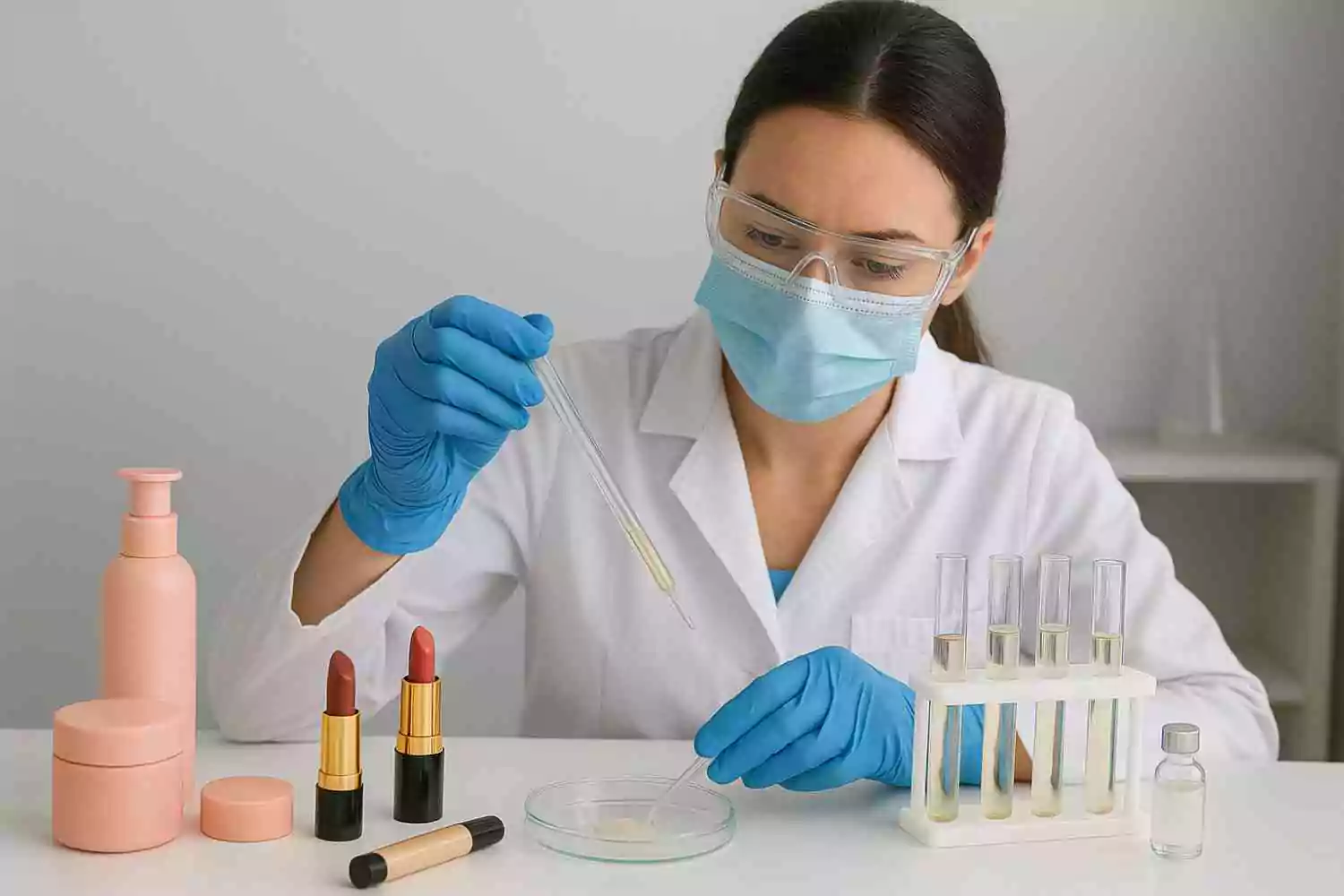
Materials Metric provides makeup testing and color cosmetics analysis to support product development, supplier qualification, quality investigations, contaminant screening, formulation comparison and competitive product analysis.
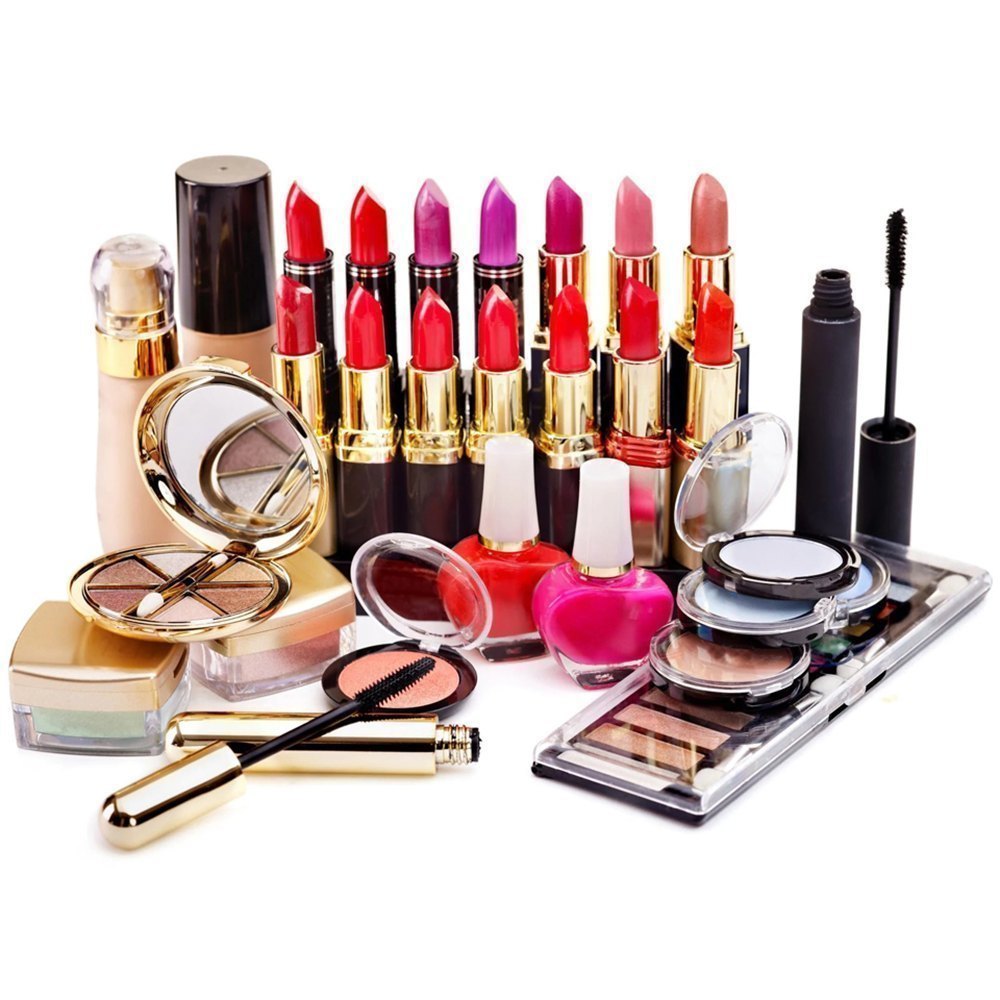
Makeup Products We Can Evaluate
- Lipstick and lip gloss
- Lip balm
- Foundation and concealer
- Face powder and setting powder
- Pressed and loose powder
- Eye shadow
- Eyeliner
- Mascara
- Blush
- Highlighter
- Bronzer
- Cosmetic pigments and mineral ingredients
Cosmetic Product Testing Capabilities
Heavy Metals Testing
Elemental analysis can evaluate makeup, pigments and mineral ingredients for trace metals and other elements relevant to a specific project. Depending on the scope, analytes may include:
- Lead
- Arsenic
- Cadmium
- Mercury
- Nickel
- Chromium
- Cobalt
- Additional elements based on formulation, raw material or target-market requirements
Cosmetic Pigment & Mineral Analysis
XRF, XRD, SEM-EDS, ICP-MS and related techniques can provide information regarding elemental composition, mineral phases, particle morphology and trace metals in pigment-rich or mineral-based products.
Ingredient & Chemical Analysis
Chromatographic and spectroscopic techniques can be used to investigate organic formulation components, preservatives, oils, solvents, fragrances and other compounds when suitable methods are available.
Particle & Morphology Analysis
Particle characteristics can influence appearance, dispersion, texture, coverage and formulation behavior. Microscopy and particle-analysis methods can evaluate particle size, morphology, agglomeration, surface characteristics and pigment distribution.
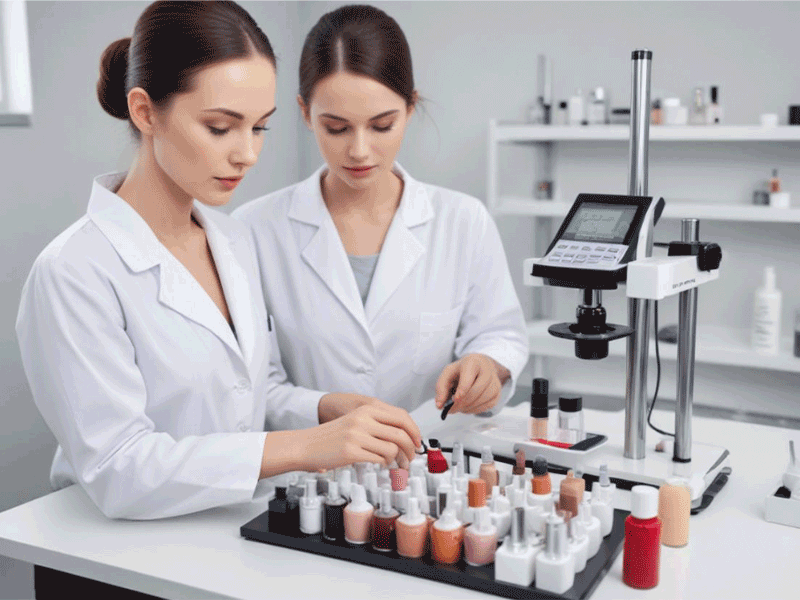
Competitive Makeup Product Analysis
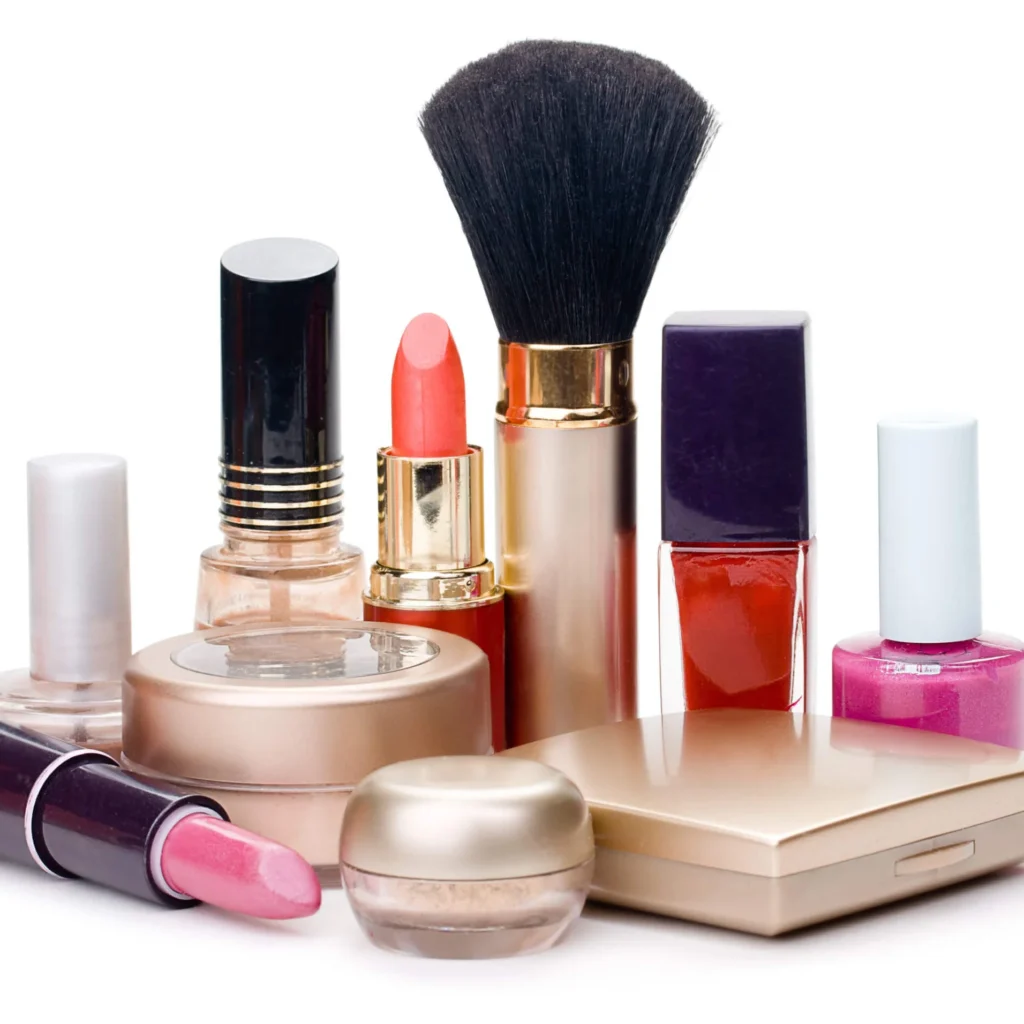
Materials Metric can compare commercial makeup products to investigate measurable differences in elemental composition, mineral content, pigment characteristics, particle morphology, thermal behavior, chemical fingerprint and physical structure.
Why Choose Materials Metric
Makeup and color cosmetics often require a combination of elemental, mineralogical, chemical and particle-level analysis. Materials Metric can integrate these methods into one technically focused investigation.
- Sensitive elemental analysis for trace metals in finished makeup, pigments and mineral raw materials.
- Advanced characterization of pigment composition, mineral phases and particle morphology.
- Comparative testing for competitor products, suppliers or manufacturing batches.
- Support for both finished products and incoming cosmetic raw materials.
- Testing plans designed around the product matrix rather than generic analytical packages.
- Scientific interpretation of results for product development and technical decision-making.
Frequently Asked Questions
Can lipstick be tested for lead?
Yes. Sensitive elemental techniques such as ICP-MS can quantify lead and other trace metals in lipstick and similar cosmetic products when appropriate sample preparation and analytical methods are used.
Can eye shadow be tested for heavy metals?
Yes. Pigmented and mineral-containing cosmetics can be evaluated for multiple trace elements based on the product, raw materials and project objectives.
Can you identify pigments in makeup?
A combination of XRF, XRD, SEM-EDS, Raman, FTIR and other methods may provide information about inorganic pigments, mineral components and certain organic colorants, depending on concentration and matrix complexity.
Can two makeup brands be compared?
Yes. Side-by-side analytical characterization can identify measurable similarities and differences in composition, particles, pigments, minerals, trace metals and other product attributes.
Related Services
- Heavy Metals & Contaminant Testing
Trace-element and contaminant analysis for makeup and cosmetic ingredients. - Cosmetic Ingredient & Formulation Analysis
Chemical characterization and comparative formulation analysis. - Cosmetic Stability & Shelf-Life Testing
Evaluate changes in makeup formulations during storage. - Cosmetic & Skincare Product Testing
Broader testing for beauty and personal care formulations. - Material Characterization Services
Microscopy, spectroscopy, thermal analysis and particle/material characterization.