Automotive Materials Testing & Component Failure Analysis
Independent Analysis for Automotive Materials, Components & Product Failures
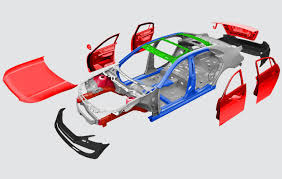
Modern vehicles combine structural alloys, engineering plastics, elastomers, adhesives, coatings, glass, electronic materials, composites, lubricated interfaces, and increasingly complex battery and power-electronics systems. Each material must retain its properties through manufacturing, assembly, thermal cycling, vibration, chemical exposure, weathering, and long-term service.
Materials Metric provides automotive materials testing and component failure analysis for OEMs, suppliers, engineering teams, manufacturers, product developers, research groups, and investigators. Projects may support product development, supplier qualification, material verification, quality investigations, warranty-related technical analysis, and root-cause failure evaluation.
Industry Risks & Technical Challenges
Common technical challenges may include:
- Polymer embrittlement, cracking, softening, swelling, or chemical attack
- Corrosion, oxidation, pitting, deposits, and surface degradation
- Coating delamination, blistering, cracking, or adhesion loss
- Adhesive and bonded-joint failures
- Elastomer aging, compression-set concerns, seal degradation, or incompatibility
- Composite cracking, delamination, porosity, or fiber/matrix issues
- Unexpected residues, foreign particles, contamination, and manufacturing debris
- Supplier or lot-to-lot differences in material composition
- Fracture, fatigue, wear, thermal damage, and service-related component failures
Our Analytical Approach to Automotive Testing
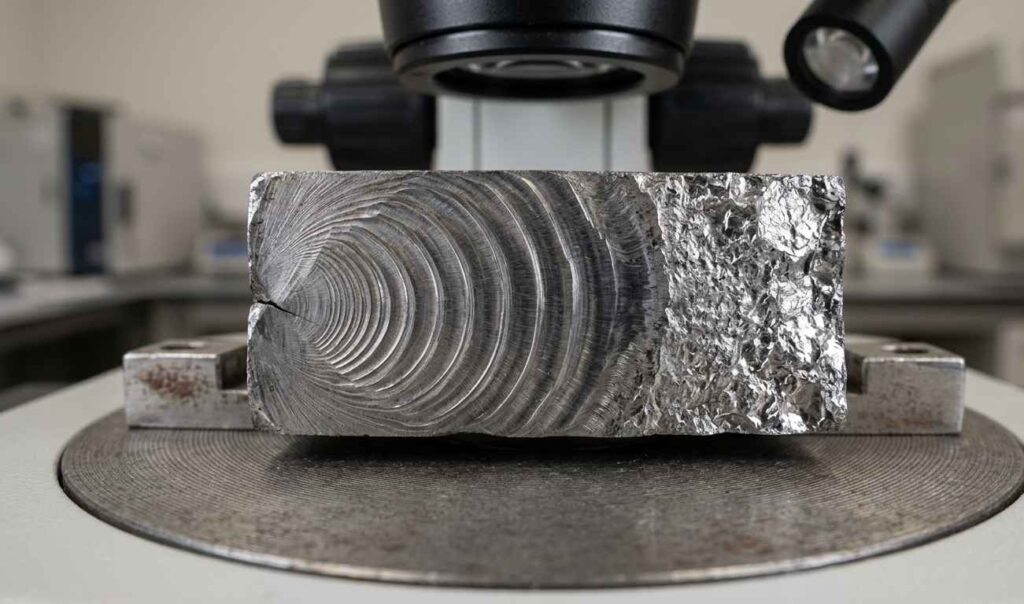
Automotive investigations often require correlation of composition, microstructure, thermal behavior, surface condition, and fracture features. Materials Metric can combine complementary techniques so the analysis addresses the failure mechanism rather than treating each dataset in isolation.
- SEM/EDS for fracture surfaces, inclusions, contamination, corrosion products, coatings, and microstructure
- FTIR and Raman spectroscopy for polymers, elastomers, adhesives, coatings, residues, and degradation
- DSC, TGA, DMA, and thermal methods for transitions, composition, aging, and thermal stability
- XRF, ICP-MS/OES, XRD, and related methods for elemental or phase characterization
- Mechanical, adhesion, wear, surface, and roughness testing where appropriate
- Cross-sectional microscopy for coatings, interfaces, plated layers, and multilayer structures
- Comparative analysis of good versus failed parts, suppliers, lots, or processing conditions
- Customized test development when standard methods do not reproduce the field problem
Standards & Technical Frameworks
Automotive testing may be structured around ASTM, ISO, SAE, OEM, supplier, or component-specific specifications depending on the part and intended use of the data. Materials Metric can work from a client-specified method or help define an analytical investigation when the primary need is root-cause understanding rather than pass/fail qualification.
Materials & Components We Evaluate
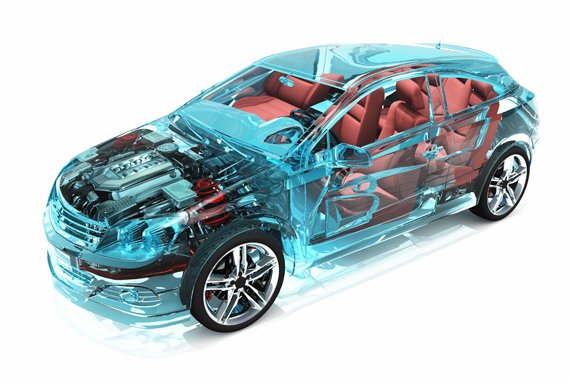
- Steels, stainless steels, aluminum, titanium, copper alloys, and specialty metals
- Engineering thermoplastics and thermosets
- Rubbers, elastomers, seals, gaskets, and hoses
- Adhesives, sealants, paints, protective coatings, and plated surfaces
- Fiber-reinforced composites and lightweight structural materials
- Glass, ceramic, electronic, connector, and sensor-related materials
- Battery, electrode, separator, conductive, and thermal-management materials
- Deposits, residues, corrosion products, wear debris, and unknown contaminants
Common Automotive Failure Investigations
- Why did a plastic component crack or become brittle?
- What caused corrosion or an unexpected deposit on a metallic component?
- Why did a coating peel, blister, or discolor?
- Why did an adhesive bond or seal fail?
- Are the failed and control components made from the same material?
- Did a supplier or formulation change alter material composition or thermal behavior?
- What is the composition of an unknown residue, particle, or wear debris?
- What evidence on the fracture surface is consistent with the observed failure?
Why Materials Metric?
Materials Metric brings together microscopy, spectroscopy, thermal analysis, elemental characterization, mechanical testing, and failure-analysis expertise to investigate automotive materials and components from multiple technical angles.
- Integrated automotive component and material characterization rather than isolated single-technique testing
- Independent failure analysis for metals, polymers, elastomers, coatings, adhesives, composites, and glass
- SEM/EDS, FTIR, Raman, XRF, XRD, ICP, thermal, mechanical, and surface-analysis capabilities
- Comparative evaluation of failed versus control parts, production lots, and supplier materials
- Customized investigations for field failures and non-standard engineering questions
- Scientific interpretation that links analytical evidence with service conditions and likely failure mechanisms
- Clear technical reporting for R&D, quality, supplier, manufacturing, and engineering teams
Frequently Asked Questions
What types of automotive materials can Materials Metric analyze?
Materials Metric can evaluate metals, alloys, plastics, rubbers, elastomers, coatings, adhesives, composites, glass, battery-related materials, residues, deposits, and many other vehicle-component materials. The analytical method is selected based on the material and technical question.
Can you analyze a failed automotive component?
Yes. A failure investigation may combine visual examination, microscopy, spectroscopy, elemental analysis, thermal analysis, mechanical testing, and comparison with a known-good component. The exact workflow depends on sample condition and the suspected failure mode.
How do you determine whether a supplier material changed?
Reference and suspect materials can be compared using complementary techniques such as FTIR, DSC, TGA, XRF, ICP, microscopy, or other methods. Differences in chemistry, additives, fillers, crystallinity, thermal transitions, or microstructure may reveal meaningful material changes.
Can you identify unknown deposits or residues from an automotive part?
Often, yes. SEM/EDS, FTIR, Raman, XRD, GC-MS, and other analytical techniques can help determine whether a residue is metallic, mineral, polymeric, organic, corrosion-related, lubricant-related, or another material class.
Discuss Your Automotive Materials Project
To learn more about our capabilities or to discuss a specific testing, characterization, investigation, or R&D need, please contact Materials Metric using the form below. Our team can help define an appropriate analytical approach based on your sample, technical question, project stage, and intended use of the data.