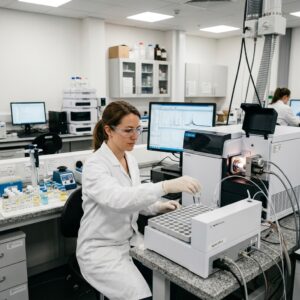
What Is Polymer Oxidation and Why Does It Matter?
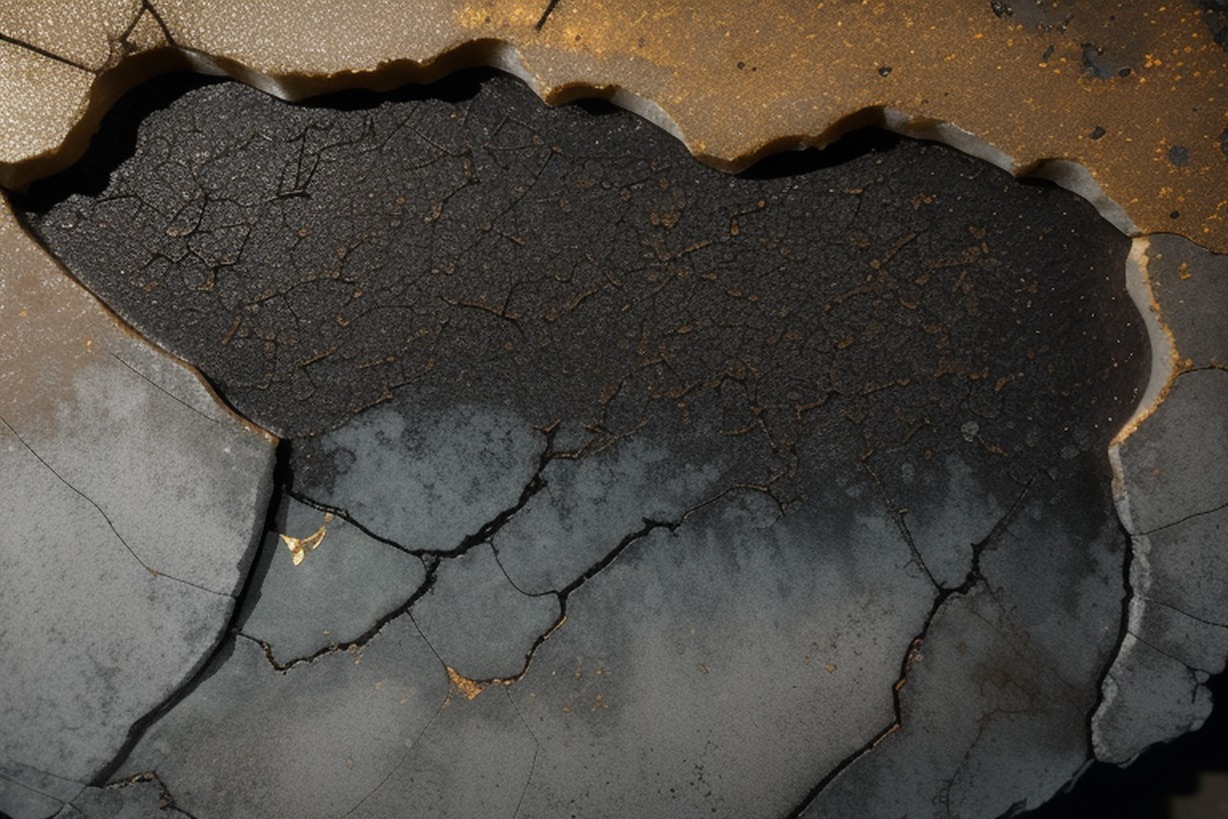
Polymer oxidation is a chemical degradation process in which oxygen reacts with polymer chains, breaking bonds and generating free radicals that progressively destroy material properties. Understanding and controlling this process is essential for engineers, formulators, and quality managers who rely on Materials Metric for accurate, defensible polymer analysis.
Moreover, polymer oxidation ranks among the leading causes of premature material failure across industries ranging from aerospace and automotive to medical devices and food packaging. Furthermore, oxidative degradation often begins invisibly at the molecular level — long before visible cracking, discoloration, or embrittlement appears. Consequently, early detection through rigorous analytical testing can save significant cost and prevent product recalls.
In addition, the consequences of undetected polymer oxidation extend beyond aesthetics. However, structural failures, toxic byproduct release, and loss of regulatory compliance are all possible outcomes. Therefore, a thorough understanding of oxidation mechanisms, detection methods, and stabilization strategies is critical for any professional working with polymer-based materials.
Key Takeaways
- Polymer oxidation is a free-radical chain reaction triggered by heat, UV light, mechanical stress, or oxygen exposure.
- Oxidative degradation reduces tensile strength, elongation, and impact resistance — often before visible damage appears.
- FTIR, DSC, OIT testing, and chemiluminescence are the primary analytical tools for detecting oxidation.
- Antioxidants and stabilizer packages slow oxidation but require careful selection and concentration validation.
- Regulatory compliance in medical, food contact, and aerospace applications demands documented oxidation testing.
- Early-stage analysis by an expert polymer lab prevents costly field failures and non-compliance events.
Polymer Oxidation: A progressive, free-radical-driven chemical process in which atmospheric or dissolved oxygen attacks polymer backbone chains and side groups, generating hydroperoxides and carbonyl species that cause irreversible loss of molecular weight, mechanical strength, and functional performance.
Key Fact: Polymer oxidation is one of the leading causes of in-service polymer failure worldwide — and most oxidative damage initiates at the molecular level, making it undetectable by visual inspection alone until significant property loss has already occurred.
What Causes Polymer Oxidation? Understanding the Triggers
Therefore, polymer oxidation does not happen randomly. Consequently, specific environmental and processing conditions drive the reaction. Recognizing these triggers allows engineers to design more durable materials and more effective testing protocols.
Thermal Oxidation: Heat-Driven Degradation
As a result, elevated temperature dramatically accelerates polymer oxidation. Heat provides the activation energy needed to break weak C–H bonds, generating alkyl radicals that react instantly with oxygen. Moreover, processing steps such as extrusion, injection molding, and compounding expose polymers to intense thermal stress. Even moderate oven aging at 70–100 °C can trigger measurable oxidation in polyolefins within hours.
Thermal oxidation is especially problematic in thick-walled components. Heat dissipates slowly from the core, creating an oxygen-depleted interior with a highly oxidized surface layer. This gradient generates internal stress and promotes delamination over time.
Photo-Oxidation: UV Light as an Initiator
Ultraviolet radiation is another powerful initiator of polymer oxidation. UV photons carry enough energy to cleave polymer bonds directly, generating radicals without requiring heat. Consequently, outdoor applications — agricultural films, automotive bumpers, roofing membranes — are particularly vulnerable. Photo-oxidation produces surface chalking, yellowing, and ultimately chain scission that reduces molecular weight rapidly.
Furthermore, synergistic effects between UV and heat in outdoor environments accelerate degradation far beyond what either factor causes alone. Stabilizer systems must therefore address both mechanisms simultaneously to provide meaningful service life extension.
Mechanical Stress, Ozone, and Catalytic Metal Ions
Beyond heat and UV, several additional factors promote polymer oxidation. Cyclic mechanical stress generates localized heat and fractures antioxidant-rich crystalline regions. Meanwhile, ozone — even at atmospheric trace levels — attacks unsaturated polymer bonds with exceptional reactivity, causing rapid surface cracking in rubbers and elastomers.
Trace metal ions such as copper, iron, and manganese catalyze oxidation through Fenton-type chemistry. These ions decompose hydroperoxides into highly reactive radicals, dramatically accelerating the chain reaction. For this reason, Chemical & Elemental Characterization of polymer feedstocks and finished parts is an important step in oxidation risk assessment.
How Does Polymer Oxidation Work? The Mechanism Explained
Polymer oxidation follows a well-defined free-radical chain mechanism. Understanding each stage clarifies why oxidation is self-sustaining and difficult to stop once initiated. This knowledge also guides the selection of appropriate stabilizers and testing methods.
Initiation: Where the Chain Reaction Begins
Initiation produces the first free radicals from a polymer chain. Energy input — whether thermal, photonic, or mechanical — breaks a C–H or C–C bond. The resulting carbon-centered radical (R•) immediately reacts with molecular oxygen to form a peroxy radical (ROO•). This step requires relatively little energy in many common polymers, particularly polyolefins such as polyethylene (PE) and polypropylene (PP).
Importantly, initiators are also present in trace quantities within many polymers from the start. Residual catalyst metals from polymerization, processing-induced peroxides, and UV-absorbing chromophoric impurities can all serve as initiation sites. Therefore, raw material purity matters as much as end-use environment.
Propagation: The Self-Sustaining Cycle
Propagation is what makes polymer oxidation so damaging. Each peroxy radical (ROO•) abstracts a hydrogen atom from a neighboring chain segment, forming a hydroperoxide (ROOH) and a new carbon radical. That radical reacts with oxygen, forming another peroxy radical — and the cycle repeats thousands of times per initiation event.
Hydroperoxides (ROOH) also decompose under heat or UV into two new radicals, branching the chain reaction exponentially. As a result, oxidation can accelerate rapidly once hydroperoxide concentrations build up — a phenomenon called auto-acceleration or the “induction period” end-point. Detecting this inflection point is one key goal of DSC Testing, specifically through Oxidative Induction Time (OIT) measurements.
Termination and Secondary Products
Termination occurs when two radicals combine, ending the chain. However, termination reactions also generate stable but chemically altered species — ketones, aldehydes, carboxylic acids, esters, and alcohols. These carbonyl-containing products are key markers that analytical tools detect. Furthermore, chain scission and crosslinking both occur as secondary outcomes, depending on the polymer type.
Crosslinking increases brittleness and reduces solubility. By contrast, chain scission reduces molecular weight and causes softening and loss of tensile properties. In many polymers, both processes occur simultaneously, creating complex, mixed-mode degradation profiles. For this reason, multi-technique characterization — combining FTIR Analysis with DSC Testing — provides the most complete picture of oxidation state.
Which Polymers Are Most Susceptible to Oxidation?
Not all polymers oxidize equally. Chemical structure, backbone flexibility, branching density, and additive content all influence oxidative susceptibility. Knowing which materials carry the highest risk helps engineers prioritize testing and select appropriate stabilizer systems early in design.
High-Risk Polymers: Polyolefins, Rubbers, and Biopolymers
Polyolefins — including polyethylene (PE), polypropylene (PP), and ethylene-vinyl acetate (EVA) — are among the most oxidation-prone materials. Their high density of secondary and tertiary C–H bonds provides abundant hydrogen abstraction sites for peroxy radicals. Moreover, PP is especially vulnerable due to its tertiary carbon atoms at every repeat unit.
Natural rubber, polybutadiene, and other unsaturated elastomers oxidize readily because double bonds react directly with ozone and molecular oxygen. Similarly, bio-based and biodegradable polymers such as polylactic acid (PLA) and polyhydroxyalkanoates (PHA) degrade through combined hydrolytic and oxidative pathways. Consequently, these materials require careful shelf-life management — a topic explored in depth in our article on polymer shelf life.
Moderate-Risk Polymers: Engineering Thermoplastics
Engineering thermoplastics such as nylon (PA), polyurethane (PU), and acrylonitrile butadiene styrene (ABS) show moderate oxidative susceptibility. Nylons are sensitive to thermal oxidation at processing temperatures, leading to yellowing and viscosity changes. Meanwhile, ABS oxidizes preferentially at its polybutadiene rubber phase under UV exposure, causing surface embrittlement.
Polyurethanes undergo both chain-scission and crosslinking when oxidized, depending on whether the soft or hard segment degrades first. Therefore, testing PU components — particularly in medical device and automotive applications — requires careful selection of analytical methods to capture both mechanisms.
Lower-Risk but Not Immune: Engineering and High-Performance Polymers
Polymers such as polytetrafluoroethylene (PTFE), polysulfone, and polyether ether ketone (PEEK) show high inherent oxidative stability. Their aromatic backbones and strong C–F or C–O bonds resist radical attack effectively. However, even these materials are not immune — extreme temperatures, radiation exposure, or aggressive chemical environments can induce oxidative degradation over long service lives.
Furthermore, compounded grades containing fillers, colorants, or processing aids may introduce oxidation-catalyzing impurities. Consequently, material characterization at the compound level — rather than relying on neat resin specifications alone — provides a more accurate oxidation risk profile. Our Chemical & Analytical Testing services provide exactly this compound-level analysis.
The table below summarizes relative oxidative susceptibility across common polymer families:
| Polymer | Susceptibility | Primary Mechanism | Key Failure Mode |
|---|---|---|---|
| Polypropylene (PP) | High | Tertiary C–H abstraction | Embrittlement, chain scission |
| Natural Rubber | High | Double-bond ozonolysis | Surface cracking |
| Polyethylene (PE) | Moderate–High | Secondary C–H abstraction | Chalking, stress cracking |
| ABS | Moderate | UV photo-oxidation of rubber phase | Surface yellowing, brittleness |
| Nylon (PA6/66) | Moderate | Thermal oxidation at processing | Discoloration, viscosity change |
| PEEK | Low | High-temperature oxidation only | Surface oxidation layer |
| PTFE | Very Low | Radiation-induced | Molecular weight reduction |
For a broader perspective on how oxidation fits within the wider landscape of material deterioration, our companion article on polymer degradation provides additional context on competing and overlapping failure mechanisms.
Quick Note: Polymer oxidation susceptibility depends heavily on the specific compound formulation — including filler type, colorant, and antioxidant package — not just the base resin. Always characterize the final compound, not just the virgin resin datasheet.
Understanding which materials are at greatest risk is the first step. The next critical step involves selecting the right analytical methods to detect and quantify polymer oxidation accurately — which we cover in the following sections. For expert guidance on test method selection, Scientific & Technical Consulting from an experienced polymer laboratory can ensure you measure the right parameters from the start.
Researchers seeking peer-reviewed context on polymer oxidation mechanisms will also find valuable resources through PubMed Central – Trace Metals Review, which hosts a broad range of polymer degradation studies, and through ScienceDirect – Analytical Methods, covering the latest developments in polymer characterization techniques.
How Do Analysts Detect and Measure Polymer Oxidation?
Selecting the right analytical technique determines whether oxidation is caught early or missed entirely. Fortunately, several powerful methods exist — each targeting a different chemical signature of oxidative damage. Together, they provide a comprehensive picture of degradation state and severity.
FTIR Spectroscopy: Identifying Oxidation Products Chemically
FTIR spectroscopy is the most widely used tool for detecting polymer oxidation. It identifies carbonyl groups — ketones, aldehydes, carboxylic acids — through characteristic absorption bands near 1700–1750 cm⁻¹. Consequently, the carbonyl index (CI), calculated by comparing carbonyl absorbance to a reference peak, gives a quantitative measure of oxidation extent. Our FTIR Analysis service provides rapid, non-destructive chemical fingerprinting of polymer samples at any degradation stage.
Moreover, ATR-FTIR (attenuated total reflectance) allows surface-specific analysis without any sample preparation. This capability proves especially valuable when a thin oxidized skin overlies an otherwise intact bulk material.
DSC and Oxidative Induction Time Testing
Differential scanning calorimetry (DSC) measures thermal events associated with oxidation. Specifically, Oxidative Induction Time (OIT) testing holds a sample at a fixed temperature under oxygen and measures how long before an exothermic oxidation event occurs. A longer OIT indicates more effective antioxidant protection remaining in the material.
Furthermore, OIT testing directly predicts remaining service life in polyolefins used in pipes, cable insulation, and geomembranes. Our DSC Testing capabilities cover both standard OIT and high-pressure OIT (HP-OIT) protocols, as specified in ASTM D3895 and ASTM D5885.
Raman Spectroscopy, XPS, and Chemiluminescence
Raman spectroscopy complements FTIR by probing different vibrational modes. It excels at detecting unsaturation changes and structural rearrangements during oxidation, particularly in carbon-filled or colored polymers where FTIR signal is often obscured. Our Raman Spectroscopy service handles even challenging, highly absorbing samples.
Meanwhile, XPS Analysis characterizes oxidation state at the polymer surface with sub-10 nm depth resolution. It reveals oxygen-to-carbon ratios and specific oxidized functional groups — information that is critical for adhesion, coating, or biocompatibility studies. Additionally, chemiluminescence detects hydroperoxide decomposition directly, providing extraordinary sensitivity for early-stage oxidation before carbonyl groups even form.
Chromatographic and Elemental Methods
Oxidation produces small-molecule volatile and semi-volatile byproducts. GC-MS Analysis identifies and quantifies these species — including aldehydes, ketones, and organic acids — with high specificity. This approach is especially important for food contact and medical device applications where extractable oxidation products must be characterized fully.
Additionally, elemental analysis by ICP-MS or ICP-OES identifies catalytic metal ion contaminants that may be accelerating oxidation internally. Our Chemical & Elemental Characterization services use these techniques to screen for copper, iron, manganese, and other pro-oxidant trace metals in polymer matrices — a step that USP Elemental Impurities guidance also highlights for pharmaceutical polymer applications.
Polymer Oxidation in Industry: Application-Specific Challenges
Different industries face distinct oxidation risks based on their processing conditions, service environments, and regulatory requirements. Understanding these application-specific challenges helps teams design targeted testing programs rather than generic screening approaches.
Medical Devices and Pharmaceutical Packaging
In medical device applications, polymer oxidation poses direct patient safety risks. Oxidative degradation of implant materials — particularly ultra-high molecular weight polyethylene (UHMWPE) in joint replacements — generates wear debris and toxic oxidation products. Consequently, regulatory bodies require documented oxidation testing before market approval.
Pharmaceutical packaging materials must also demonstrate oxidative stability. Oxidation byproducts leaching from container closure systems can degrade drug potency or generate toxic impurities. Our Biocompatibility & Toxicity Testing services support both extractables characterization and biological risk assessment under ISO 10993-18 and related frameworks. For related guidance on polymer failure in healthcare applications, our companion article on polymer failure analysis offers additional case-study context.
Aerospace, Automotive, and Outdoor Infrastructure
Aerospace applications demand polymers that withstand extreme temperature cycling, radiation, and prolonged UV exposure simultaneously. Oxidation-induced embrittlement in aircraft seals, wire insulation, or composite matrix resins can have catastrophic consequences. Therefore, aerospace qualification programs routinely include accelerated aging with oxidation monitoring at multiple analytical levels.
Similarly, automotive under-hood polymers endure continuous thermal oxidation from engine heat. Stabilizer depletion over vehicle lifetime is a key concern. Meanwhile, outdoor infrastructure polymers — geomembranes, water pipe systems, and solar panel encapsulants — must resist decades of UV-plus-oxygen attack. Our Chemical & Analytical Testing services support accelerated weathering studies and post-aging characterization for all these sectors.
Food Contact and Environmental Applications
Polymer oxidation in food contact materials raises both safety and regulatory concerns. Oxidative byproducts migrating into food must remain below established migration limits. Furthermore, antioxidant additives themselves can migrate and must be characterized — a process supported by our HPLC Analysis and GC-MS Analysis capabilities.
Environmental plastics degradation — including photo-oxidative microplastic formation — has become an important research and regulatory focus. Oxidation initiates fragmentation of plastic films and pellets into smaller particles, complicating environmental fate assessment. Analytical data from ScienceDirect and related journals continues to expand understanding of these environmental oxidation pathways.
Antioxidants, Stabilizers, and Quality Assurance Best Practices
Preventing polymer oxidation requires a systematic approach — from material selection and additive formulation through in-process monitoring and finished-part verification. A robust quality assurance program addresses each of these stages explicitly.
Types of Antioxidants and How They Work
Antioxidant systems fall into two primary functional categories: primary and secondary antioxidants. Primary antioxidants — typically hindered phenols and aromatic amines — scavenge peroxy radicals directly, interrupting the propagation cycle. Secondary antioxidants, including phosphites and thiosynergists, decompose hydroperoxides before they generate new radicals.
Effective formulations combine both types synergistically. Additionally, UV stabilizers — particularly hindered amine light stabilizers (HALS) — protect against photo-oxidation by regenerating radical scavenging capacity through a catalytic cycle. The table below compares the main antioxidant classes used in polymer stabilization:
| Antioxidant Class | Mechanism | Typical Use | Limitations |
|---|---|---|---|
| Hindered Phenols | Radical scavenging (primary) | Polyolefins, PU, PVC | Can discolor under UV |
| Phosphites / Phosphonites | Hydroperoxide decomposition (secondary) | Polyolefins, engineering resins | Hydrolysis sensitivity |
| HALS | Radical trapping (catalytic) | Outdoor / UV-exposed parts | Ineffective in acidic environments |
| Thiosynergists | Hydroperoxide decomposition (secondary) | Polyolefins, wire & cable | Odor at elevated temperatures |
| Carbon Black | UV absorption / radical scavenging | Outdoor infrastructure | Color limitation (black only) |
Monitoring Stabilizer Depletion During Service
Antioxidants deplete over time. Monitoring their remaining concentration — rather than waiting for visible failure — is the cornerstone of proactive polymer quality assurance. OIT testing measures remaining antioxidant capacity indirectly. Direct quantification uses HPLC Analysis or GC-MS Analysis to identify and measure specific antioxidant species by name and concentration.
Furthermore, tracking crystallinity changes alongside oxidation state provides valuable additional data. Oxidation typically disrupts crystalline order, reducing melting point and modifying density. Our article on polymer crystallinity explains how these structural changes relate directly to mechanical performance loss.
Method Development and Regulatory Validation
Reliable oxidation testing requires validated analytical methods — not just off-the-shelf protocols. Method validation ensures accuracy, precision, specificity, and linearity across the relevant concentration range. This step proves especially critical for regulated industries where data must withstand regulatory scrutiny.
Our Method Development & Validation team builds and validates custom oxidation testing protocols tailored to each polymer system and application. We align methods with applicable standards — including ASTM, ISO, and USP requirements — to ensure results are accepted by regulatory reviewers and auditors globally.
Quick Note: Never rely on a single analytical method to characterize polymer oxidation fully. Multi-technique programs — combining OIT, FTIR, and chromatographic methods — provide far more defensible and complete data than any single test alone.
Frequently Asked Questions About Polymer Oxidation
What is the most reliable test for polymer oxidation?
No single test covers all aspects of polymer oxidation. However, FTIR spectroscopy (for chemical product identification) combined with DSC-based OIT testing (for remaining stabilizer capacity) provides the most practical and widely accepted combination. For regulated applications, complementary GC-MS and HPLC data on extractable oxidation products and antioxidant concentrations complete the picture.
How quickly does polymer oxidation occur?
Oxidation rate depends strongly on temperature, UV exposure, oxygen concentration, and antioxidant package. In stabilized polyolefins under ambient conditions, the induction period may last years. Conversely, unstabilized materials at elevated temperatures can show measurable carbonyl formation within hours. Accelerated aging studies — validated against real-world exposure data — help predict service life reliably.
Can polymer oxidation be reversed?
Unfortunately, polymer oxidation is irreversible. Chain scission and crosslinking both produce permanent structural changes that cannot be undone by adding fresh antioxidants. Consequently, prevention and early detection represent the only practical strategies. Post-oxidation surface treatments can sometimes restore surface functionality, but bulk property losses remain permanent.
Does polymer oxidation affect biocompatibility?
Yes — oxidation directly affects biocompatibility. Oxidized polymers can leach carbonyl compounds, organic acids, and antioxidant degradation products that may be cytotoxic or immunogenic. Therefore, medical device and pharmaceutical packaging materials require documented oxidation testing as part of chemical characterization under ISO 10993-18. Our Biocompatibility & Toxicity Testing services address both the chemical and biological dimensions of this risk.
How do I choose the right antioxidant system for my polymer?
Antioxidant selection depends on polymer type, processing temperature, end-use environment, regulatory constraints, and compatibility with other additives. A primary-secondary antioxidant combination provides broad protection for most polyolefins. Nonetheless, specific applications — food contact, medical, outdoor infrastructure — impose additional migration, toxicology, and performance requirements. Our Scientific & Technical Consulting team helps formulators select, validate, and verify antioxidant packages for their specific application context.
What data does a regulatory submission for polymer oxidation testing require?
Regulatory submissions typically require OIT data, carbonyl index values, extractables profiling (GC-MS and HPLC), and elemental impurity screening — all generated using validated methods. Additionally, accelerated aging study protocols and real-time stability data strengthen the submission. Our Method Development & Validation and Chemical & Analytical Testing services generate audit-ready data packages that satisfy FDA, EMA, and ISO reviewer expectations.
Conclusion
Polymer oxidation is a fundamental challenge for every engineer, scientist, and quality manager who works with polymer-based materials. From early radical initiation through propagation, antioxidant depletion, and final property failure, each stage of oxidation leaves measurable chemical and structural signatures. Fortunately, today’s analytical toolkit — spanning FTIR, DSC-OIT, XPS, GC-MS, and elemental analysis — makes early-stage detection entirely achievable when the right methods are applied.
Importantly, no single test tells the whole story. Multi-technique programs, validated methods, and application-specific testing strategies provide the most defensible and complete oxidation assessment. Furthermore, pairing analytical data with expert interpretation ensures that results translate into actionable decisions — whether that means reformulating a stabilizer package, adjusting processing conditions, or documenting compliance for a regulatory submission.
Materials Metric brings together a broad portfolio of polymer characterization capabilities, experienced scientists, and a commitment to rigorous, reproducible results. Whether you need routine OIT screening, deep-dive extractables characterization, or a fully validated oxidation testing program, our team delivers the data you need — on time and to the highest analytical standards.
Ready to protect your materials and your products? Contact Materials Metric today to discuss your polymer oxidation testing needs, request a custom quote, or speak directly with one of our polymer characterization specialists. We are here to help you detect problems early, understand root causes clearly, and solve them decisively.
Related Posts from Materials Metric
Explore more insights from our team of materials scientists and analytical experts: