Forensic Materials Analysis & Product Failure Investigation
Independent Scientific Analysis for Legal, Insurance, Product & Technical Investigations
Product failures, contamination events, disputed materials, damaged components, unknown particles, fractured glass, coatings, residues, and unexpected product behavior may require independent scientific examination. The value of the analysis depends on careful sample documentation, appropriate method selection, objective interpretation, and clear reporting of what the evidence does and does not support.
Materials Metric provides forensic materials analysis and product failure investigation for attorneys, insurers, manufacturers, consultants, engineers, product developers, research organizations, and individual clients. Our role is to characterize the submitted materials and document scientifically defensible findings within the agreed analytical scope.
Industry Risks & Technical Challenges
Common technical challenges may include:
- Unknown particles, residues, deposits, fibers, films, or contaminants
- Fractured or failed products and components
- Disputed material identity, composition, or supplier differences
- Glass fracture, surface damage, or foreign-material questions
- Coating, adhesive, polymer, metal, or composite failures
- Corrosion, wear, thermal damage, or environmental degradation
- Comparative analysis of reference and questioned samples
- Need for independent laboratory data in a technical dispute or investigation
- Limited, unique, or irreplaceable samples requiring careful test planning
Our Approach to Forensic Materials Analysis
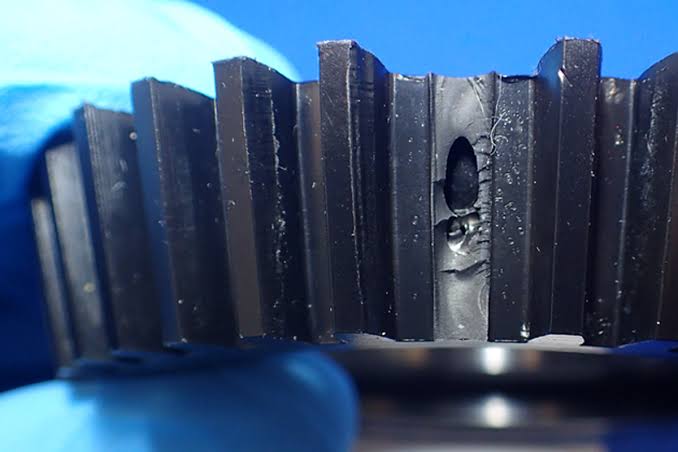
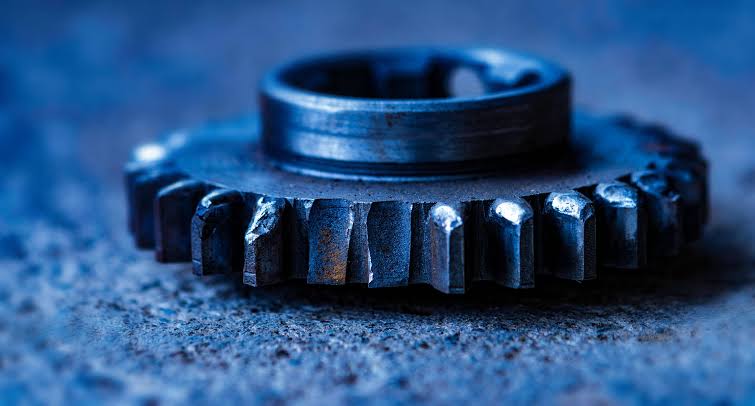
Forensic materials investigations begin with the question, sample history, available controls, and the need to preserve evidence. Materials Metric selects methods that can generate objective chemical, elemental, structural, thermal, microscopic, or mechanical information while documenting limitations and sample alterations caused by testing.
- Visual examination, photography, microscopy, and documented sample condition
- SEM/EDS for particles, fracture surfaces, coatings, corrosion, deposits, and local elemental composition
- FTIR and Raman for polymers, fibers, coatings, adhesives, residues, and unknown materials
- XRD, XRF, ICP, GC-MS, LC-MS, thermal analysis, and other methods as appropriate
- Comparative testing of questioned and reference samples
- Fractography, cross-sectional analysis, and surface characterization
- Unknown-material and contaminant identification using multi-technique workflows
- Technical reporting that distinguishes observations, analytical results, interpretation, and limitations
Evidence Handling & Scope Considerations
If chain of custody, evidence preservation, destructive-testing limitations, witness requirements, specific legal protocols, or court-related documentation are important, those requirements should be established before sample shipment. Materials Metric provides scientific and technical analysis; legal opinions and case strategy remain the responsibility of counsel and other appropriate professionals.
Samples & Evidence We Evaluate
- Failed consumer and industrial products
- Metals, polymers, elastomers, coatings, adhesives, glass, ceramics, and composites
- Unknown particles, fibers, residues, deposits, and contaminants
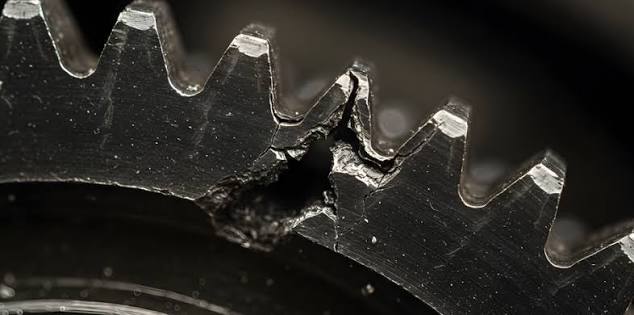
- Fractured components and surfaces
- Corroded, worn, thermally damaged, or chemically attacked materials
- Reference and questioned samples for comparative analysis
- Packaging, containers, coatings, and product-contact materials
- Limited or specialized samples requiring custom analytical planning
Common Forensic & Technical Questions
- What is this unknown material, particle, residue, or deposit?
- Are the questioned and reference samples analytically similar or different?
- What material is the failed component made from?
- What fracture, corrosion, wear, or degradation features are observable?
- Is contamination present, and what is its chemical or elemental character?
- Did a coating, adhesive, polymer, or metal change relative to a control?
- What analytical methods can provide objective data while preserving as much sample as possible?
- What conclusions are supported by the laboratory evidence, and what limitations remain?
Why Materials Metric?
Materials Metric provides independent scientific testing for complex investigations using multiple analytical techniques, careful documentation, and reporting designed to separate measured evidence from interpretation.
- Independent laboratory analysis across metals, polymers, coatings, glass, composites, residues, and unknown materials
- Multi-technique capability spanning microscopy, spectroscopy, elemental, thermal, chemical, and surface analysis
- Product failure and contamination investigations built around the evidence rather than a predetermined conclusion
- Comparative testing of reference and questioned samples
- Custom planning for limited, unique, or potentially destructive samples
- Clear technical reports documenting methods, results, images, interpretation, and limitations
- Flexible support for attorneys, insurers, manufacturers, consultants, engineers, and individual clients
Frequently Asked Questions
What is forensic materials analysis?
Forensic materials analysis uses laboratory techniques to identify, compare, or characterize materials associated with a technical investigation. Depending on the sample, this may involve microscopy, spectroscopy, elemental analysis, thermal analysis, chromatography, phase identification, or mechanical and fracture examination.
Can you identify an unknown particle or residue?
Often, yes. A combination of SEM/EDS, FTIR, Raman, XRD, GC-MS, microscopy, or other methods can help determine whether an unknown is polymeric, metallic, mineral, organic, coating-related, corrosion-related, or another material class.
Can Materials Metric compare two samples to determine whether they are the same?
Materials Metric can compare measurable chemical, elemental, thermal, microscopic, structural, and physical characteristics. The strength of any conclusion depends on the analytical methods, sample variability, reference population, sample condition, and the specific question being asked.
Can you preserve evidence during testing?
Some methods are non-destructive or minimally destructive, while others consume, alter, dissolve, section, coat, heat, or otherwise modify a sample. If preservation is important, that requirement should be stated before testing so the sequence of analysis can be planned accordingly.
Discuss Your Forensic Materials Project
To learn more about our capabilities or to discuss a specific testing, characterization, investigation, or R&D need, please contact Materials Metric using the form below. Our team can help define an appropriate analytical approach based on your sample, technical question, project stage, and intended use of the data.