Metal Testing, Alloy Identification & Metallurgical Failure Analysis
Independent Characterization of Metals, Alloys, Surfaces & Failed Components
Metallic components depend on composition, microstructure, processing history, heat treatment, surface condition, geometry, and service environment. Small deviations in alloy chemistry, inclusions, corrosion behavior, coating integrity, or manufacturing process can lead to cracking, wear, oxidation, distortion, or unexpected failure.
Materials Metric provides metal testing, alloy identification, elemental analysis, microstructural characterization, corrosion evaluation, contamination analysis, and metallurgical failure investigation for manufacturers, engineers, suppliers, product developers, researchers, and forensic or quality investigations.
Industry Risks & Technical Challenges
Common technical challenges may include:
- Incorrect alloy grade or material substitution
- Corrosion, oxidation, pitting, deposits, or environmental attack
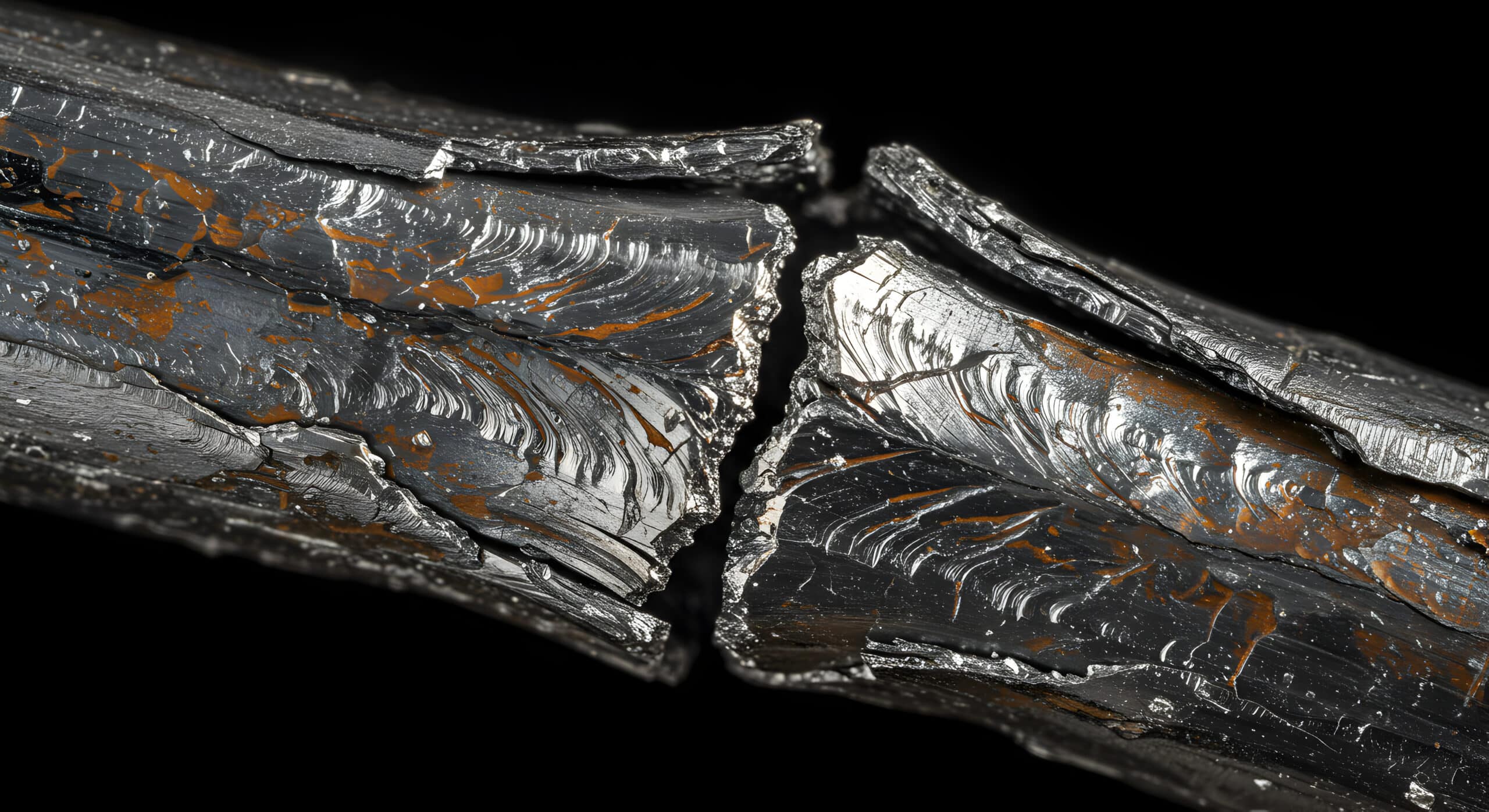
- Fracture, fatigue, overload, embrittlement, or wear
- Inclusions, porosity, contamination, or manufacturing defects
- Heat-treatment or microstructure differences
- Coating, plating, passivation, or surface-condition problems
- Weld, braze, or interface-related failures
- Supplier and lot-to-lot composition differences
- Unknown metallic particles, debris, or residues
Our Analytical Approach to Metal & Alloy Testing
Metallurgical problems often require several levels of evidence: bulk composition, local elemental chemistry, microstructure, phases, fracture features, surface condition, and service-related deposits. Materials Metric can combine these data into a single investigation.
- XRF for rapid elemental screening and alloy comparison
- ICP-MS/OES or other quantitative elemental methods where higher sensitivity or accuracy is required
- SEM/EDS for fracture surfaces, inclusions, corrosion, particles, coatings, welds, and local elemental mapping
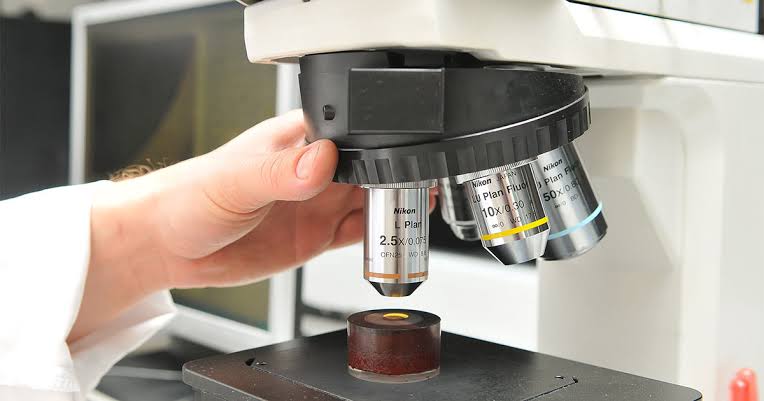
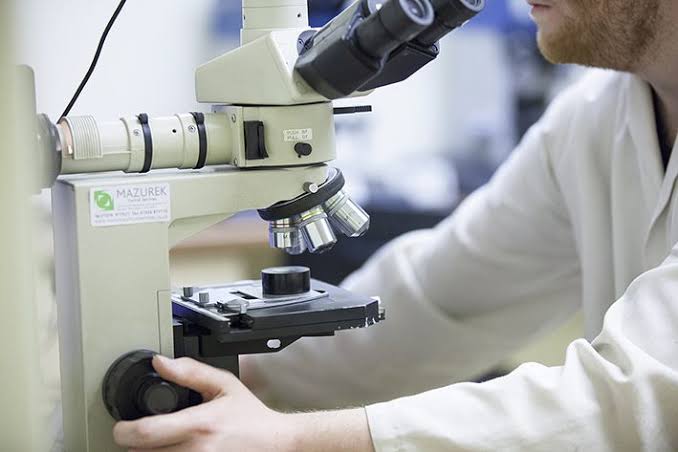
- Optical microscopy and metallographic cross-sections for grain structure, layers, defects, and interfaces
- XRD for crystalline phases, corrosion products, and phase identification
- Surface and coating characterization where plating, passivation, or contamination is relevant
- Mechanical, hardness, wear, adhesion, and related testing when appropriate
- Comparative analysis of specified, control, suspect, and failed materials
Standards & Technical Frameworks
Metal and alloy testing may reference applicable ASTM, ISO, SAE, AMS, ASME, client, or product-specific specifications. The correct method depends on alloy type, geometry, required accuracy, surface condition, and whether the goal is certification, verification, quality control, or failure analysis.
Metals & Components We Evaluate
- Carbon and low-alloy steels
- Stainless steels
- Aluminum and aluminum alloys
- Titanium and titanium alloys
- Nickel and cobalt-based alloys
- Copper and copper alloys
- Specialty engineering metals and plated components
- Welds, fasteners, machined parts, castings, additive-manufactured components, and failed hardware
- Corrosion products, deposits, metallic debris, and unknown particles
Common Metallurgical Investigations
- Is the component made from the specified alloy?
- Why did the metal crack or fracture?
- What is the composition of an inclusion, particle, or deposit?
- What corrosion products or phases are present?
- Did a heat-treatment or manufacturing difference change the microstructure?
- Is a coating, plating, or passivation layer present and consistent?
- Are two supplier materials compositionally equivalent?
- What evidence differentiates overload, fatigue, corrosion-assisted, or other failure mechanisms?
Why Materials Metric?
Materials Metric combines bulk alloy analysis with localized microscopy, microstructure, surface characterization, phase identification, and failure-analysis methods to provide a more complete picture of metallic components and their service history.
- Independent alloy identification and composition verification
- SEM/EDS, XRF, ICP, XRD, metallography, microscopy, surface, and mechanical capabilities
- Metallurgical failure analysis for fracture, corrosion, wear, deposits, and manufacturing defects
- Local analysis of inclusions, coatings, particles, welds, and interfaces
- Comparative testing for supplier changes, production lots, reference materials, and failed components
- Customized investigations for complex components and non-standard failure questions
- Clear technical interpretation for engineering, quality, manufacturing, legal, and R&D teams
Frequently Asked Questions
How do you identify an unknown metal or alloy?
Alloy identification may begin with XRF or SEM/EDS and can be supplemented by ICP-based methods, metallography, XRD, or other techniques depending on the alloy and required accuracy. Surface condition and sample geometry can influence method selection.
Can you analyze why a metal component fractured?
Yes. A metallurgical failure investigation may include fracture-surface microscopy, composition verification, microstructural examination, corrosion or deposit analysis, hardness or mechanical testing, and comparison with a reference component.
Can you test for inclusions or contamination in metal?
Yes. SEM/EDS and metallographic methods can locate and characterize inclusions, foreign particles, deposits, coatings, and local elemental anomalies. Additional analytical techniques may be used if the contaminant requires molecular or phase identification.
Can Materials Metric compare alloys from two suppliers?
Yes. Comparative programs can evaluate elemental composition, microstructure, phases, coatings, inclusions, hardness, and other relevant characteristics to determine whether two supplier materials differ in measurable ways.
Discuss Your Metals & Alloys Project
To learn more about our capabilities or to discuss a specific testing, characterization, investigation, or R&D need, please contact Materials Metric using the form below. Our team can help define an appropriate analytical approach based on your sample, technical question, project stage, and intended use of the data.