Oil & Gas Corrosion, Deposit & Failure Analysis
Independent Materials Investigation for Oil, Gas, Petrochemical & Process Systems
Oil, gas, petrochemical, and chemical-processing systems expose metals, polymers, elastomers, coatings, seals, and composites to temperature, pressure, aggressive chemicals, wet environments, deposits, corrosion, and long service periods. Failures are often driven by interactions between material composition, process chemistry, surface condition, and environmental exposure.
Materials Metric provides corrosion analysis, deposit identification, alloy and polymer characterization, coating evaluation, and failure investigation for oil, gas, petrochemical, process-industry, and energy-infrastructure applications. Projects can support root-cause investigations, material verification, supplier evaluation, maintenance decisions, and R&D.
Industry Risks & Technical Challenges
Common technical challenges may include:
- General, localized, pitting, crevice, galvanic, or under-deposit corrosion
- Scale, deposits, fouling, precipitates, and corrosion products
- Polymer, elastomer, seal, or gasket degradation
- Coating blistering, delamination, erosion, or chemical attack
- Fracture, cracking, embrittlement, wear, or fatigue
- Incorrect alloy or material substitution
- Contamination, foreign particles, and process residues
- High-temperature oxidation or thermal degradation
- Chemical incompatibility between materials and process fluids
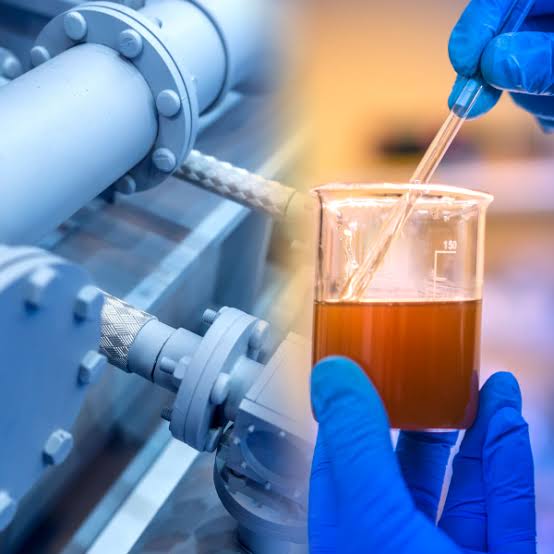
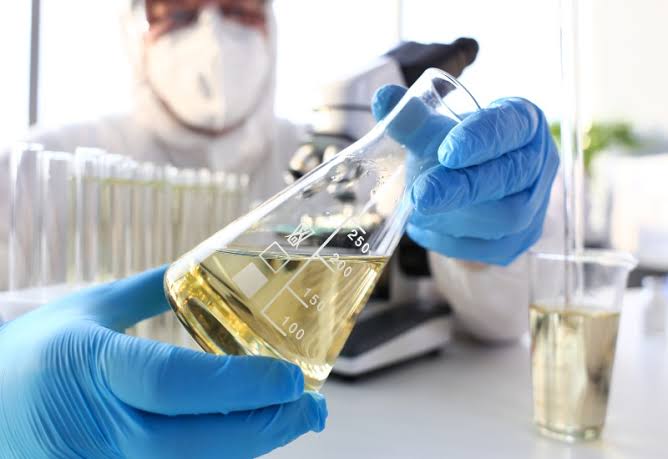
Our Analytical Approach to Corrosion & Petrochemical Failure Analysis
Industrial failures typically require examination of the failed component together with corrosion products, deposits, coatings, residues, and reference material. Materials Metric can integrate composition, phase, morphology, surface, and thermal information to build a defensible materials-level picture of the failure.
- SEM/EDS for corrosion morphology, deposits, fracture features, inclusions, coatings, and elemental mapping
- XRD for crystalline corrosion products, minerals, scale, and phase identification
- XRF and ICP-MS/OES for alloy verification, deposits, and elemental composition
- FTIR and Raman for polymers, elastomers, coatings, organics, and residues
- DSC, TGA, and thermal analysis for polymer and coating degradation
- Metallography, microscopy, surface examination, and cross-sectional analysis
- Mechanical, wear, adhesion, and corrosion testing where appropriate
- Comparative analysis of new/used, control/failed, or upstream/downstream samples
Standards & Technical Frameworks
Projects may reference applicable ASTM, AMPP/NACE, API, ISO, ASME, client, or asset-specific procedures depending on the component and intended use of the data. Investigative failure analysis can also be structured as a custom program when the objective is to determine mechanisms rather than verify a single specification.
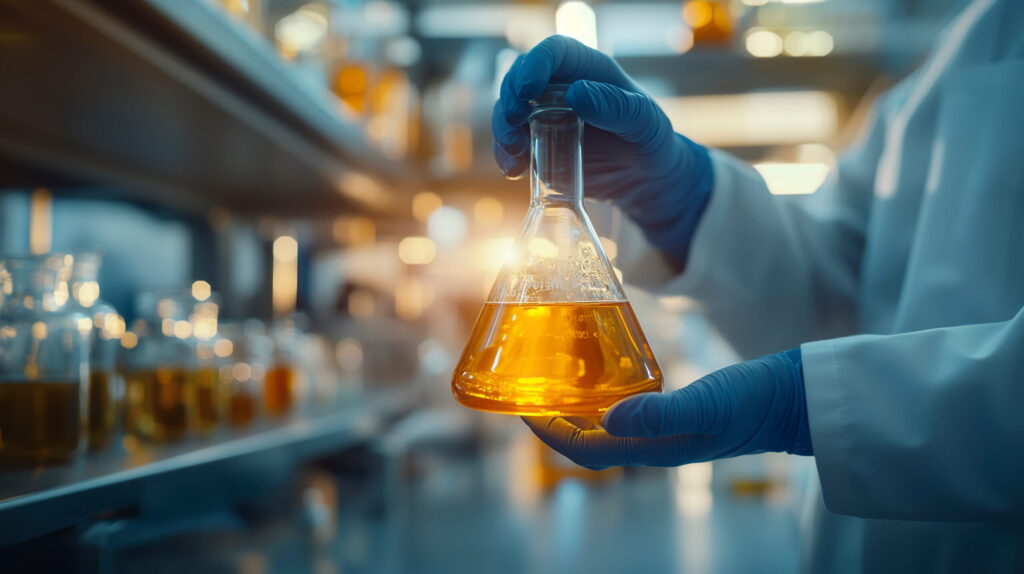
Materials & Samples We Evaluate
- Carbon steels, stainless steels, nickel alloys, aluminum, copper alloys, and specialty metals
- Pipeline, vessel, fitting, valve, and process-equipment materials
- Coatings, linings, paints, and corrosion-protection systems
- Elastomers, seals, gaskets, hoses, and engineering polymers
- Scale, deposits, corrosion products, sludge, solids, and residues
- Fractured components, wear debris, and unknown particles
- Materials exposed to heat, chemicals, pressure, or aggressive environments
Common Oil, Gas & Petrochemical Investigations
- What is the composition of a deposit, scale, or corrosion product?
- What corrosion mechanism is consistent with the observed surface features?
- Is the component made from the specified alloy?
- Did chemical exposure degrade a seal, polymer, or coating?
- Why did a protective coating blister, peel, or fail?
- What is the origin of an unknown residue or particulate?
- How does the failed component differ from an unused or control sample?
- Did high temperature, oxidation, or process chemistry change the material?
Why Materials Metric?
Materials Metric combines corrosion-focused microscopy, elemental analysis, mineralogical characterization, polymer and coating analysis, and failure-investigation methods to evaluate the material and the environment that acted on it.
- Integrated analysis of metals, alloys, polymers, elastomers, coatings, deposits, and corrosion products
- SEM/EDS, XRD, XRF, ICP, FTIR, Raman, thermal, and microscopy capabilities
- Independent alloy verification and material-comparison studies
- Root-cause investigations for corrosion, cracking, coating failure, deposits, and chemical degradation
- Custom programs for non-standard industrial failures and limited field samples
- Ability to connect deposit chemistry, surface morphology, material identity, and service history
- Technical reporting designed for engineering, maintenance, quality, and R&D decision-making
Frequently Asked Questions
Can Materials Metric identify corrosion products or scale?
Yes. XRD, SEM/EDS, XRF, ICP, FTIR, Raman, and other techniques can be used to characterize the elemental, crystalline, organic, and morphological features of corrosion products, scale, deposits, and industrial residues.
Can you verify the alloy used in a component?
Yes. XRF, ICP, SEM/EDS, and other methods can help verify elemental composition and compare a component with an expected alloy specification. The appropriate method depends on the alloy, sample geometry, surface condition, and required accuracy.
Can you investigate a failed seal or polymer component from a process system?
Yes. FTIR, DSC, TGA, microscopy, mechanical testing, and comparative analysis can be used to evaluate polymer identity, thermal changes, degradation, swelling, oxidation, filler content, and other differences associated with chemical or thermal exposure.
Do you provide root-cause failure analysis for industrial components?
Yes. Materials Metric can develop a multi-technique investigation combining visual examination, microscopy, composition analysis, fracture evaluation, deposit characterization, and material comparison. Conclusions are based on the available physical evidence and project scope.
Discuss Your Oil & Gas Materials Project
To learn more about our capabilities or to discuss a specific testing, characterization, investigation, or R&D need, please contact Materials Metric using the form below. Our team can help define an appropriate analytical approach based on your sample, technical question, project stage, and intended use of the data.