Cosmetic Microbiology & Preservative Efficacy Testing
Microbial Quality & Challenge Testing for Cosmetic Products
Water-containing cosmetic and personal care formulations can be susceptible to microbial contamination if the formulation, manufacturing environment, packaging or preservation system does not adequately control microbial growth.
Materials Metric can support cosmetic microbiology and preservative efficacy testing through appropriate specialized laboratory capabilities. The testing plan should be selected based on the product type, preservation system, intended use and applicable project or market requirements.
Cosmetic Microbiology Testing
- Total aerobic microbial count
- Yeast and mold evaluation
- Specified microorganism testing when required
- Finished-product microbial quality
- Raw-material microbial quality
- Investigation of suspected microbial contamination
Preservative Efficacy Testing
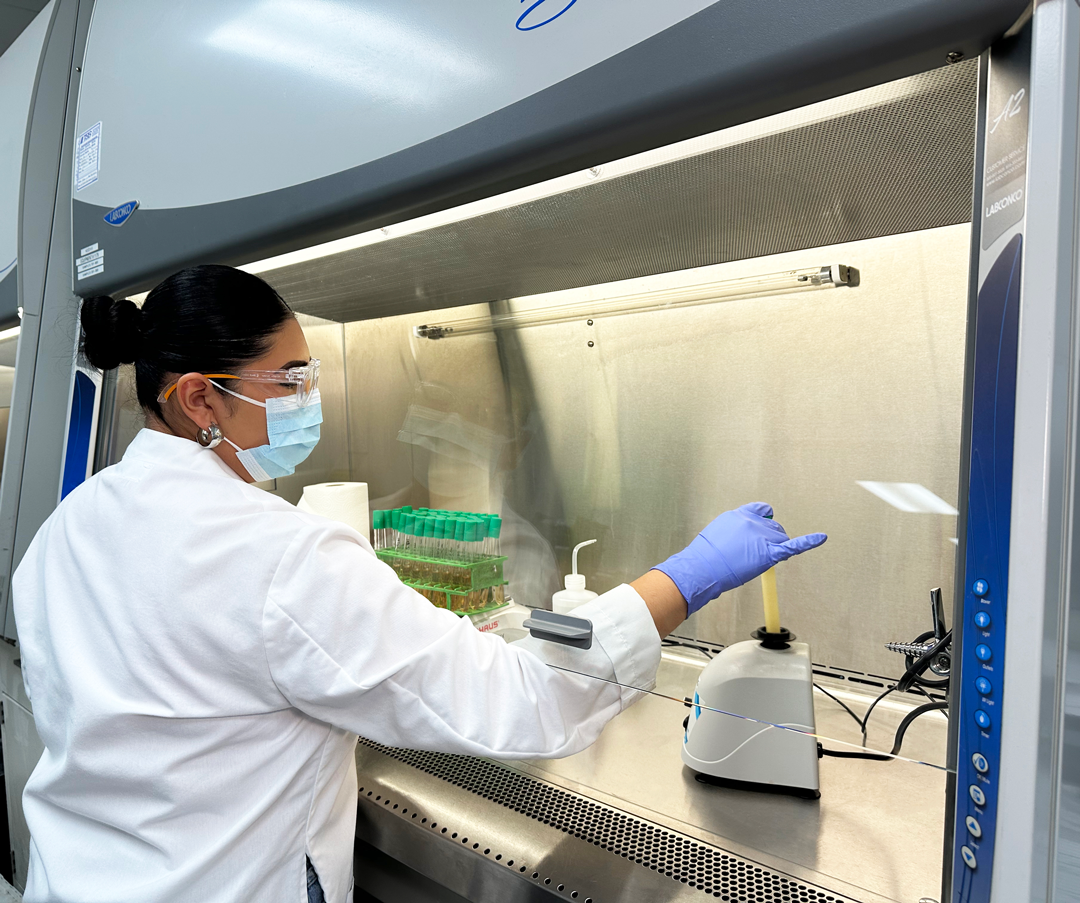
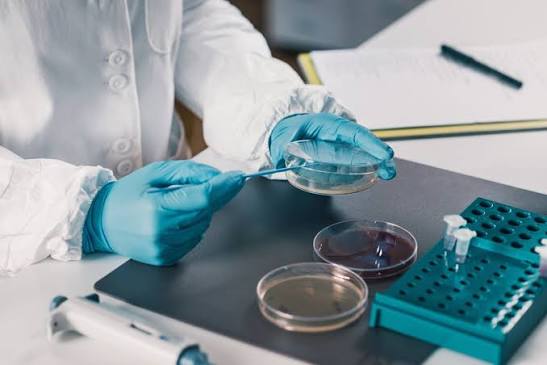
Preservative efficacy testing evaluates whether a formulation’s preservation system can control defined microorganisms introduced under controlled laboratory conditions. The service is also commonly described as:
- PET testing
- Preservative challenge testing
- Cosmetic challenge testing
- Antimicrobial effectiveness testing
Depending on the product, target market and project requirements, recognized approaches such as ISO 11930 or USP <51> may be considered. The appropriate method should be confirmed for the specific product and intended purpose.
Products Commonly Evaluated
- Creams
- Lotions
- Serums
- Cleansers
- Shampoos
- Conditioners
- Gels
- Liquid makeup
- Water-based formulations
- Other personal care products
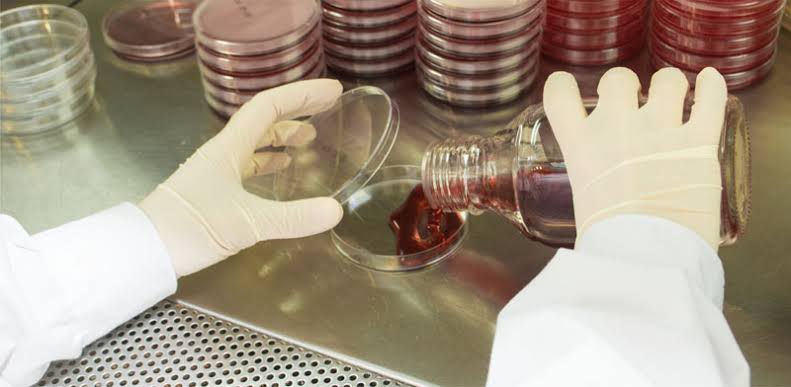
Microbiology Investigations
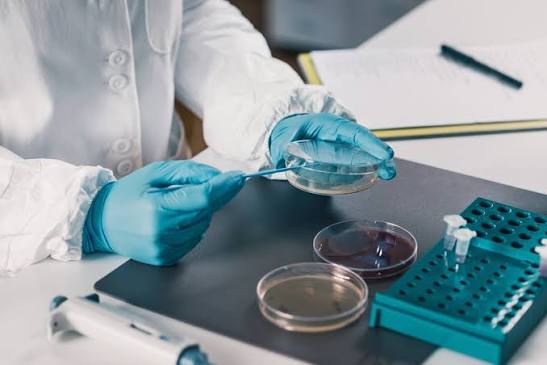
When a product shows unexpected microbial results, Materials Metric can help coordinate follow-up scientific investigation. Depending on the case, this may involve review of preservative concentration, pH, formulation changes, raw materials, packaging, manufacturing conditions or stability data.
Why Choose Materials Metric
Materials Metric integrates microbiological testing with the broader analytical context of the formulation.
- Project-specific selection of microbiology or challenge testing based on product type and preservation system.
- Coordination with qualified specialized microbiology capabilities when dedicated methods are required.
- Ability to connect microbiology findings with preservative concentration, pH, formulation stability or ingredient analysis.
- Support for finished products, raw materials and troubleshooting investigations.
- Clear reporting and communication of testing scope, method and results.
- Flexible support for startup brands, formulators, contract manufacturers and established cosmetic companies.
Frequently Asked Questions
What is cosmetic challenge testing?
A cosmetic challenge test evaluates the ability of a preserved formulation to control defined microorganisms introduced under controlled laboratory conditions. The method, organisms, acceptance criteria and interpretation depend on the selected standard or test protocol.
Is preservative efficacy testing the same as preservative concentration testing?
No. Preservative efficacy testing evaluates how effectively the preservation system controls microbial growth, while preservative assay testing measures the concentration of one or more preservative compounds. The two tests answer different questions and can be complementary.
Which cosmetics commonly require microbiological evaluation?
Water-containing formulations and products susceptible to microbial growth often receive particular attention. The appropriate microbiological program depends on formulation, packaging, manufacturing controls, intended use and applicable requirements.
Can you investigate a cosmetic product that failed a microbial test?
Yes. Follow-up may involve review of microbiology data together with pH, preservative concentration, formulation changes, raw materials, stability history and other relevant information to identify likely contributing factors.
Related Services
- Cosmetic Stability & Shelf-Life Testing
Evaluate product changes during storage that may affect microbial quality or preservation. - Cosmetic Ingredient & Formulation Analysis
Measure preservatives and investigate formulation components. - Cosmetic & Skincare Product Testing
Broader chemical and physical characterization of cosmetic products. - Heavy Metals & Contaminant Testing
Evaluate non-microbial contaminants and trace metals. - R&D Documentation & Scientific Reporting
Scientific summaries and technical reporting for testing programs.