Cosmetics & Personal Care Testing Services
Independent Laboratory Testing for Cosmetics, Skincare, Makeup & Personal Care Products
Developing a successful cosmetic or personal care product requires more than an attractive formulation. Brands, formulators, manufacturers, importers, distributors, and product developers need reliable scientific data to understand product quality, stability, composition, contamination risk, ingredient concentration, and long-term performance.
Materials Metric provides cosmetic testing and personal care product testing services for finished products, prototype formulations, raw materials, pigments, and packaging systems. Testing programs can be developed for skincare, makeup, haircare, body-care, and other beauty products based on the formulation, technical question, development stage, and target market.
Our approach combines advanced analytical testing with scientific interpretation. Rather than selecting an instrument first, we start with the problem the client needs to solve and identify the most appropriate combination of chemical, physical, microbiological, thermal, microscopic, or elemental methods.
Products We Support
- Skincare products
- Creams, lotions and moisturizers
- Facial serums and toners
- Cleansers and masks
- Makeup and color cosmetics
- Lip products
- Foundations and concealers
- Powders, pigments and mineral cosmetics
- Eye makeup and mascara
- Haircare products
- Shampoos and conditioners
- Body-care and personal care formulations
- Cosmetic raw materials and ingredients
Our Cosmetic Testing Services
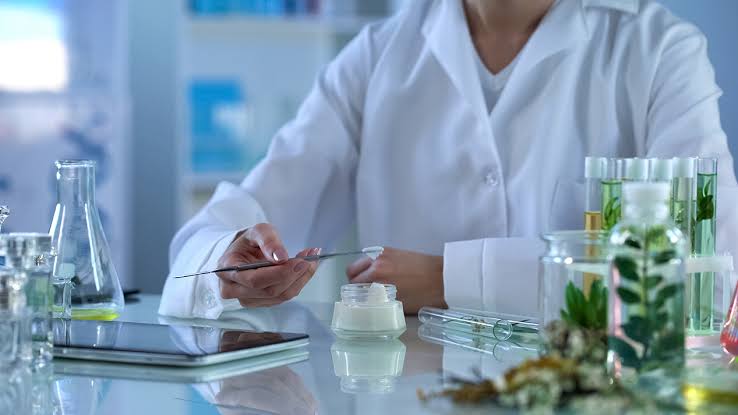
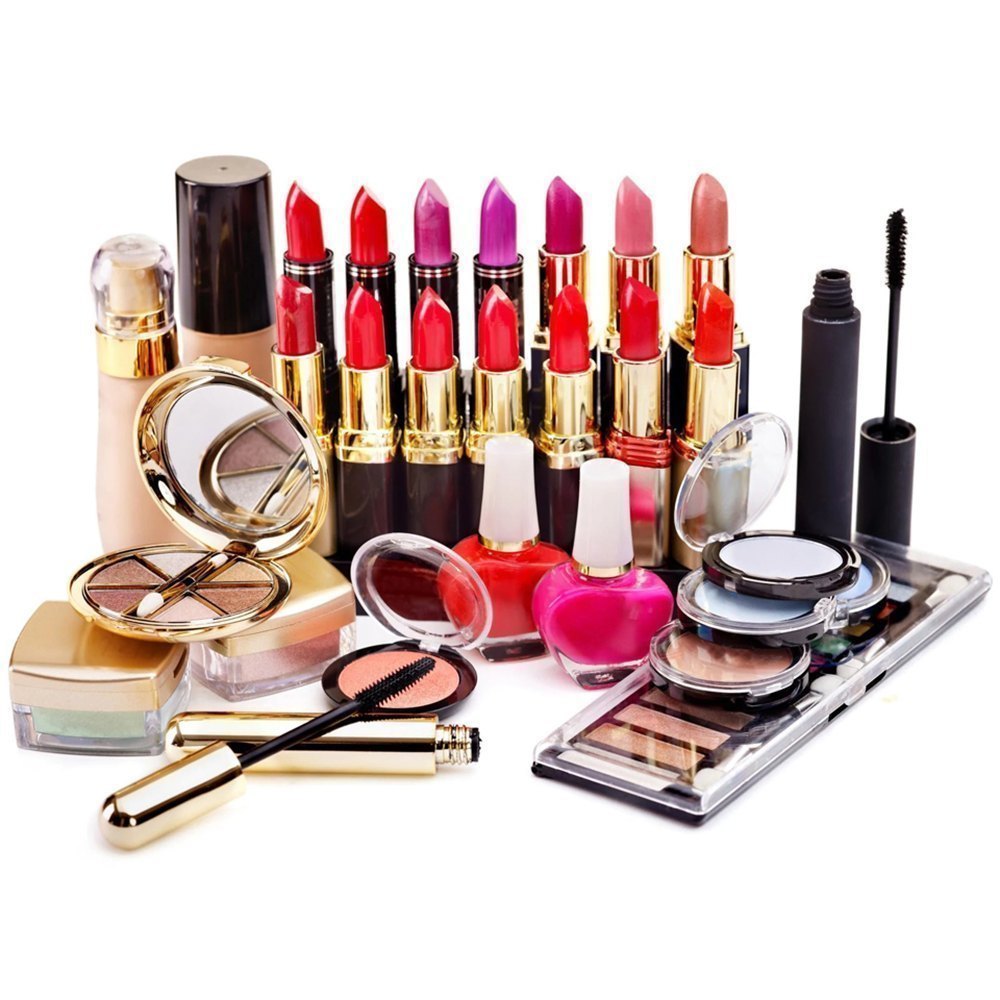
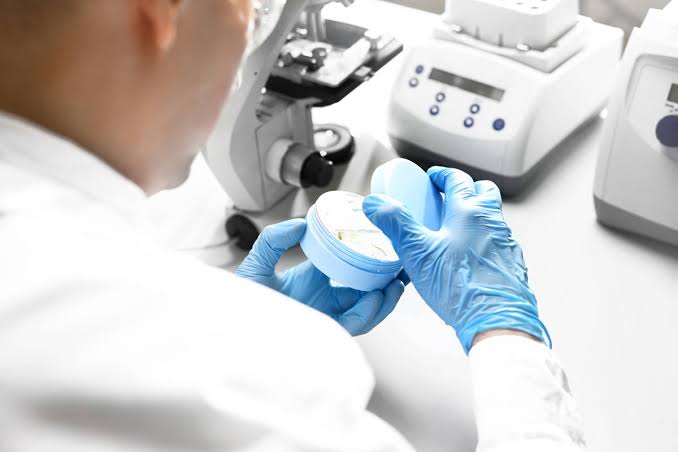
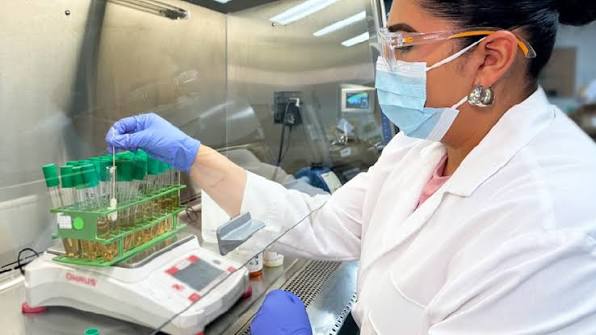
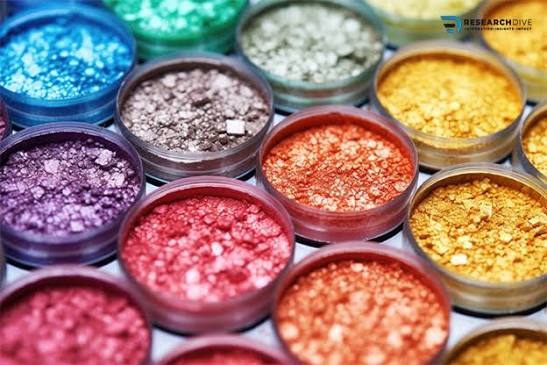
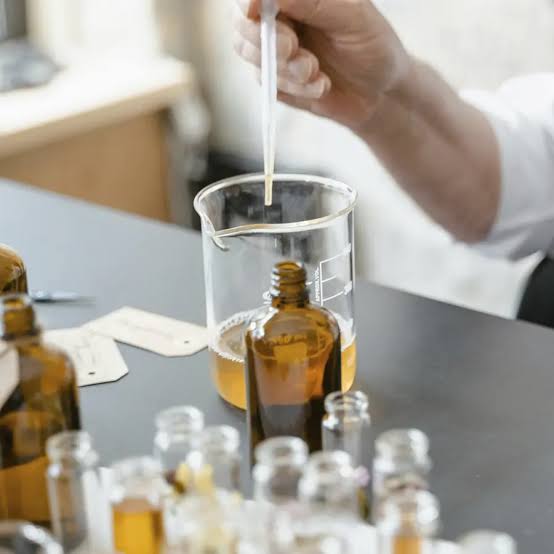
Cosmetic Testing from Raw Material to Finished Product
Raw Material Evaluation
Characterize pigments, powders, oils, minerals, polymers, actives, botanical materials, fillers, surfactants and other cosmetic raw materials.
Formulation Development
Compare prototype formulations and investigate relationships among composition, processing conditions, physical properties and product performance.
Pre-Launch Testing
Evaluate stability, microbiological quality, formulation characteristics, contaminants, ingredients and other critical attributes before commercialization.
Manufacturing & Quality Investigation
Investigate batch-to-batch differences, unexpected changes, separation, discoloration, precipitation, contamination concerns or other product problems.
Competitive Product Analysis
Compare commercial cosmetic products to better understand measurable differences in composition, structure, particle characteristics, thermal behavior and chemical properties.
Advanced Analytical Capabilities for Cosmetics
Depending on the product and technical objective, a cosmetic testing program may incorporate one or more complementary techniques:
- ICP-MS and ICP-OES for trace and bulk elemental analysis
- GC-MS for volatile and semi-volatile organic compounds
- HPLC and LC-MS for active ingredients, preservatives and organic analytes
- FTIR and Raman spectroscopy for molecular characterization
- XRF and XRD for elemental and mineral/phase characterization
- SEM and EDS for morphology and localized elemental analysis
- TGA and DSC for thermal behavior and composition-related changes
- Particle-size analysis and microscopy
- pH, viscosity and rheological characterization
Why Choose Materials Metric
Materials Metric combines analytical science, materials characterization and scientific interpretation to support cosmetic and personal care product development.
- Customized test plans based on the formulation, product type and technical question rather than a one-size-fits-all package.
- Access to complementary chemical, elemental, thermal, microscopic and physical characterization methods.
- Scientific interpretation that helps explain what the analytical findings may mean for formulation quality, stability or performance.
- Support for finished products, prototype formulations, raw materials, pigments and comparative product studies.
- Independent testing and clear communication for brands, formulators, manufacturers, importers and R&D teams.
- Project scopes can integrate Materials Metric capabilities with specialized partner laboratories when microbiology or other dedicated methods are required.
Frequently Asked Questions
What is cosmetic product testing?
Cosmetic product testing uses physical, chemical, microbiological and analytical methods to evaluate characteristics such as composition, stability, microbial quality, contaminants, ingredients and product performance. The appropriate methods depend on the formulation and the question the testing is intended to answer.
What types of cosmetics can be tested?
Testing can be performed on skincare products, makeup, creams, lotions, serums, cleansers, shampoos, conditioners, powders, pigments, lip products, eye cosmetics, raw ingredients and many other personal care products.
What tests should be performed on a cosmetic product?
The appropriate testing depends on the formulation, ingredients, intended use, packaging, manufacturing process, target market and technical objectives. Common evaluations include stability testing, microbiological testing, preservative efficacy testing, chemical analysis, heavy metal testing and physical-property characterization.
Can you test an existing commercial cosmetic product?
Yes. Existing products can be evaluated for product characterization, quality investigations, competitor comparisons, contaminant analysis, ingredient evaluation and other technical purposes.
Can cosmetic formulations be reverse engineered?
Analytical techniques can provide substantial information about the chemical and physical composition of a cosmetic formulation. Complete reconstruction of a proprietary formula may not always be possible and may require multiple complementary methods and iterative analysis.
Can makeup be tested for heavy metals?
Yes. Elemental techniques such as ICP-MS can measure lead, arsenic, cadmium, mercury, nickel, chromium, cobalt and other elements depending on the product and project requirements.
Related Services
- Material Characterization Services
Advanced characterization of composition, structure, morphology and thermal properties. - Scientific Data Analysis & Interpretation
Independent interpretation of complex analytical and experimental datasets. - R&D Documentation & Scientific Reporting
Technical reports and scientific documentation for R&D and product-development programs.