Comprehensive Materials Testing and Analytical Services at Materials Metric

Generic selectors
Exact matches only
Search for your required testing or Service
Post Type Selectors
page
post

Additive Manufacturing & 3D Printing

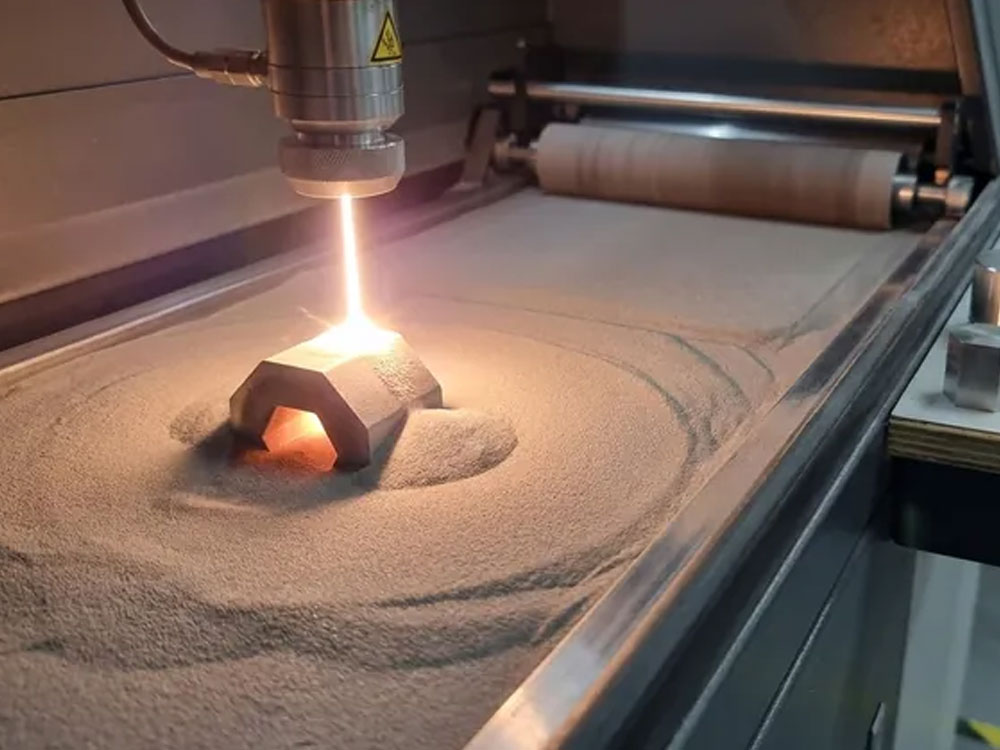
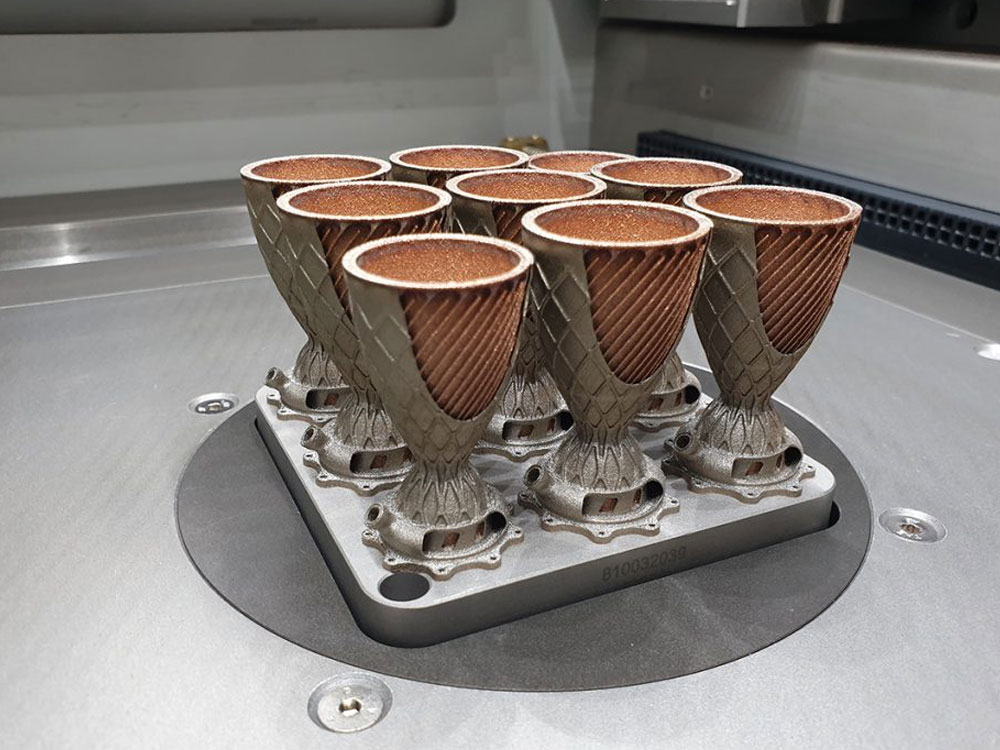
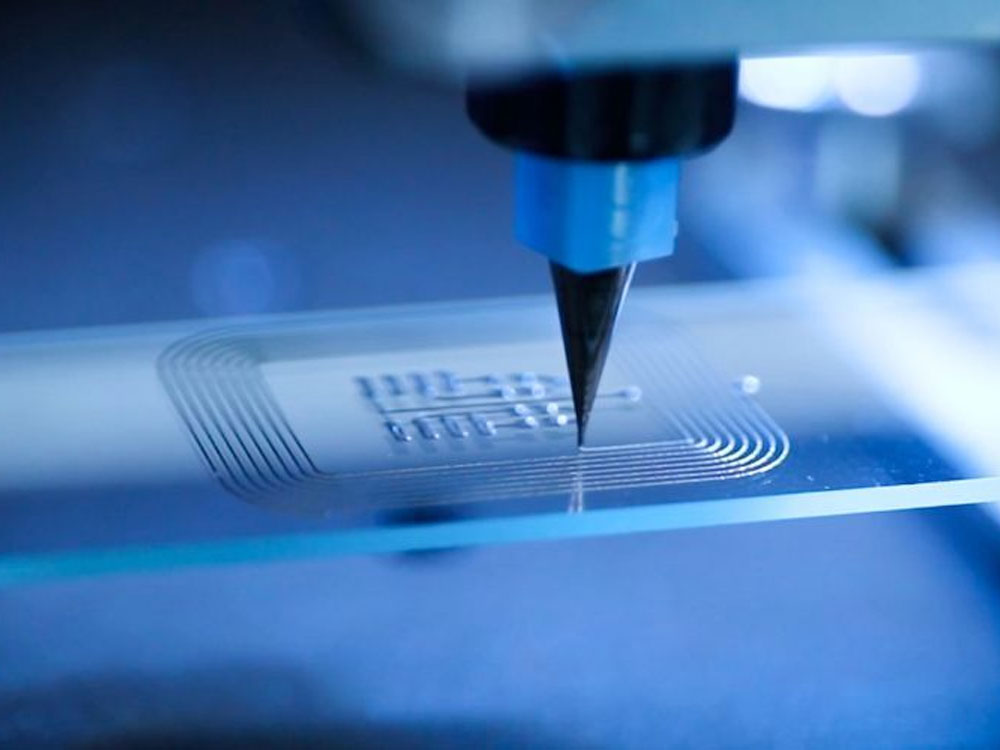
Additive manufacturing (AM) enables the fabrication of complex geometries, customized components, and functionally integrated structures that are not achievable through conventional manufacturing methods. Reliable process control and material validation are essential to ensure consistent performance, structural integrity, and application-specific functionality.

At Materials Metric, we provide additive manufacturing support services across multiple AM technologies, focusing on material behavior, process optimization, and performance validation. Our workflows integrate material characterization, process evaluation, and mechanical testing to generate quantitative and reproducible data that supports product development, quality control, and engineering validation.

Our approach follows a Process → Material → Performance framework, ensuring that printed components meet defined functional, structural, and application requirements. All work is conducted under ISO 9001:2015–aligned quality systems, with the ability to integrate additional analytical and testing services as part of a comprehensive evaluation.
To learn more about our services, please contact us.


Frequently Asked Questions

What are additive manufacturing and 3D printing services?

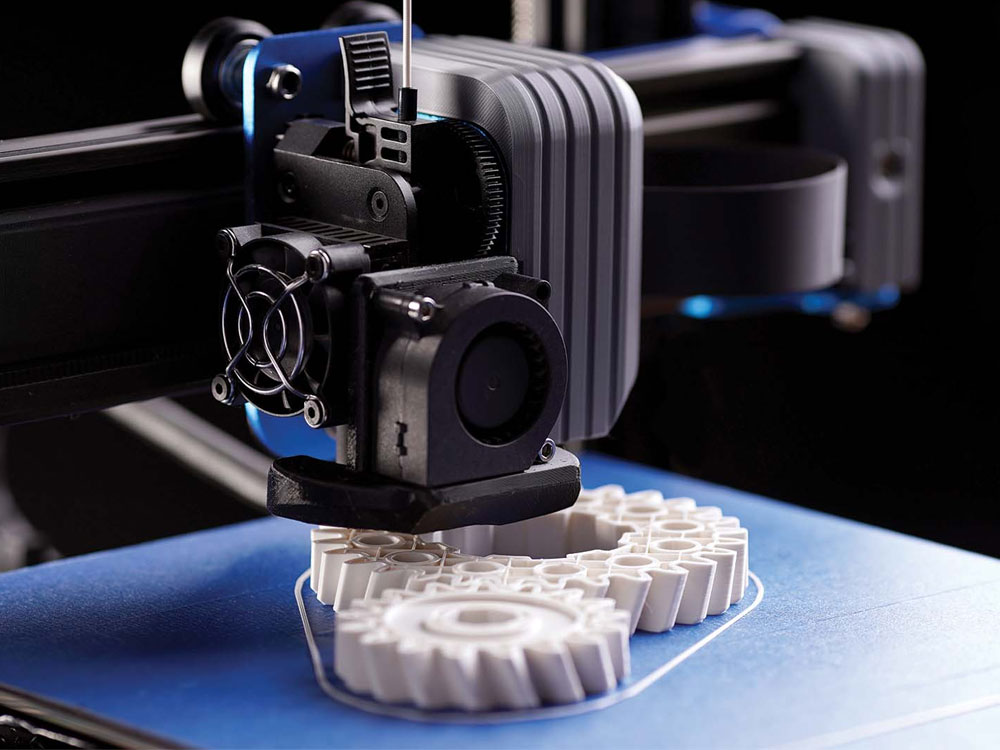
Additive manufacturing and 3D printing services build parts layer by layer directly from digital models, enabling complex geometries that are difficult to machine. Materials Metric provides prototyping and production across polymer and metal processes, including design support, printing, and post-processing. The deliverable is a finished part matched to your material and application requirements.

What can additive manufacturing be used for?

It is used for functional prototypes, end-use parts, complex lattices, lightweight structures, tooling, and low-volume production. The layer-based approach supports internal channels, custom geometries, and rapid design iteration. We help select the process and material that best fit your mechanical, thermal, and dimensional needs.

What materials and file formats are supported for 3D printing?

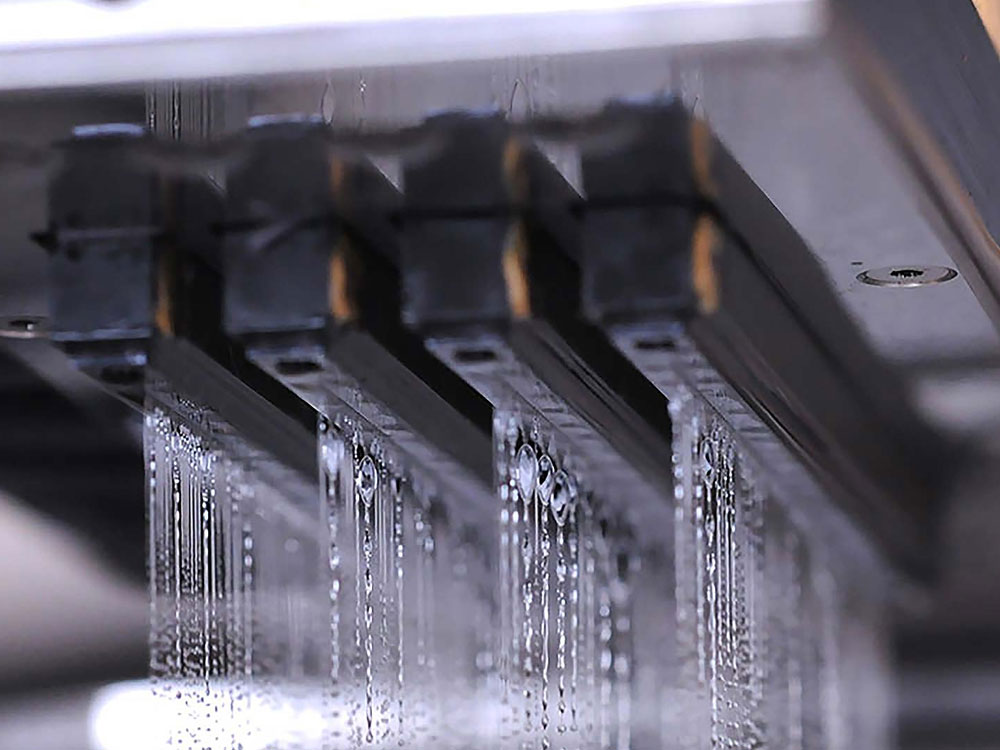
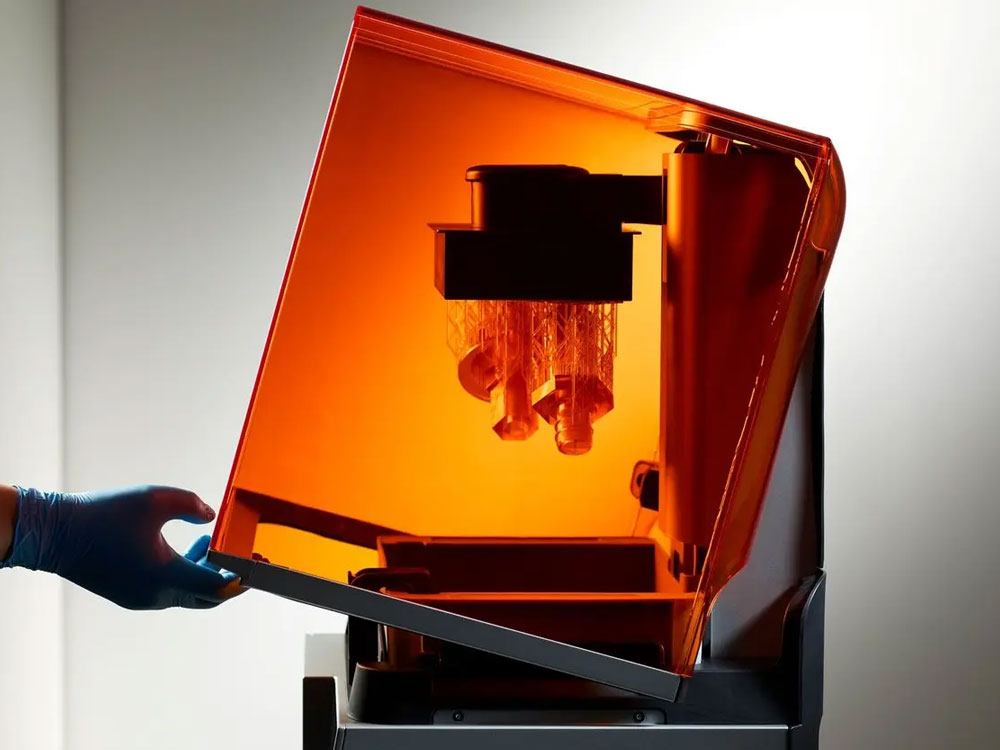
Supported materials span engineering polymers, resins, and metal powders depending on the chosen process, from FDM and SLA/DLP to SLS, powder bed fusion, and binder jetting. We accept standard 3D model files such as STL, STEP, OBJ, and 3MF. We can advise on file preparation, orientation, and support strategy before printing.

Which standards or methods apply to additive manufacturing?

Process and terminology follow the ISO/ASTM 52900 family of additive manufacturing standards, which defines the main process categories and general principles. We apply process-appropriate parameter control, build orientation, and post-processing, with dimensional and visual inspection of finished parts. Specific qualification is matched to the application and discussed per project.
Scroll to Top