
Bio-Interface & Integration Analysis
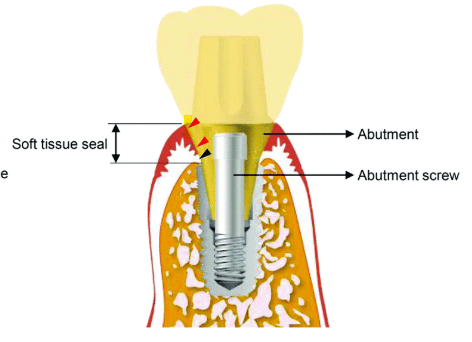
Understanding how materials interact with biological systems is central to evaluating safety, performance, and long-term functionality. Bio-interface and integration analysis focuses on assessing how tissues respond to implants, scaffolds, coatings, polymers, and engineered surfaces, including osseointegration, inflammation, encapsulation, vascularization, fibrosis, and healing responses—revealing the mechanisms that drive successful integration or potential failure.
Materials Metric provides comprehensive analysis of biological interfaces using advanced histology, imaging, and quantitative assessment. These studies help determine biocompatibility, inflammatory response, vascularization, fibrosis, mineralization, degradation, and the stability of tissue–material interfaces. Our workflows support biomedical devices, regenerative medicine platforms, dental and orthopedic implants, and wound-healing technologies.
Techniques We Use
Our analyses combine multi-scale histology and imaging methods to deliver a complete understanding of biological performance:
Histological Staining
• H&E for general tissue morphology
• Masson’s Trichrome for fibrosis and collagen deposition
• PAS and Alcian Blue for matrix components
• Safranin O–Fast Green for cartilage and matrix content
• Von Kossa and Alizarin Red for mineralization
• IHC and IF for inflammatory markers, vascular markers, and cell-specific proteins
Advanced Imaging & Microscopy
• Brightfield microscopy for structural evaluation
• Fluorescence and confocal imaging for cell and protein localization
• SEM and TEM for surface morphology and nanoscale interfaces
• AFM for mechanical and topographical mapping
• Micro-CT for 3D evaluation of bone integration, porosity, and scaffold architecture
Applications We Support
Bio-interface analysis is essential for a wide range of biomedical and material systems, including:
• Implantable devices
• Regenerative medicine materials
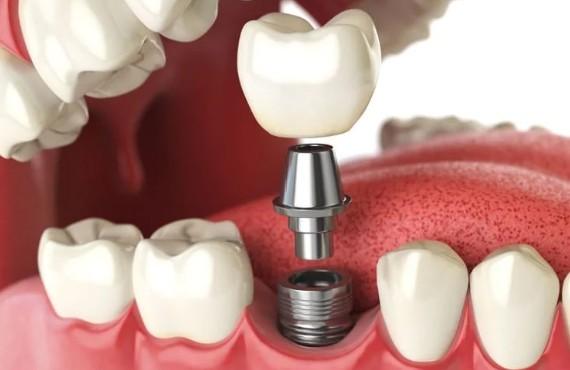
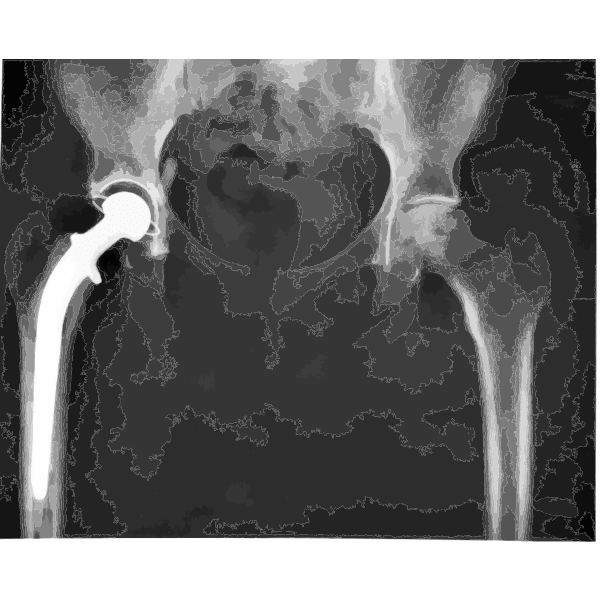
• Dental and orthopedic implants
• Wound healing and tissue repair systems
• Polymer and composite materials
• Drug-delivery scaffolds and hydrogels
• Surface-engineered and antimicrobial coatings
Our workflow is adaptable to diverse study designs and regulatory requirements.
Quantitative Integration Metrics
We offer optional quantitative assessments to complement visual analysis:
• Thickness of fibrous capsule
• Bone–implant contact percentage
• Vascular density
• Inflammatory cell counts
• Area fraction of matrix components
• Implant degradation mapping
• Coating integrity and fragmentation
• Tissue infiltration depth into scaffolds
Why Choose Materials Metric
Materials Metric provides specialized expertise in implant–tissue interactions and regenerative material evaluation.
We offer:
• ISO 9001:2015 accredited study workflows
• Integrated histology + imaging + chemical analysis
• Expertise in osseointegration, foreign-body response, and tissue compatibility
• High-quality, regulator-ready documentation
Materials Metric delivers clear, quantitative insights that drive material optimization and regulatory success.
Related services