
Titrimetric Analysis
Titrimetric analysis is a highly precise quantitative technique used to determine the concentration, purity, or reactive capacity of a chemical species through controlled reaction with a calibrated titrant. Endpoints are identified using pH changes, potentiometric response, colorimetric indicators, or complexation behavior, enabling accurate and reproducible stoichiometric measurements.
At Materials Metric, titrimetric analysis supports formulation development, quality control, raw material qualification, and regulatory testing by delivering reliable chemical composition data for pharmaceuticals, biomaterials, polymers, industrial chemicals, and specialty material systems where analytical accuracy is critical.
Uses of Titrimetric Analysis
Titrimetric analysis is used to:
• Quantify acids, bases, metal ions, oxidizers, reductants, and active ingredients
• Evaluate chemical purity and potency
• Determine sample alkalinity, acidity, and buffering capacity
• Verify batch consistency and raw material specifications
• Assess formulation stability and chemical degradation
• Support compliance with USP, ASTM, ISO, and FDA expectations

Applications
- Polymers, monomers, elastomers, and resins
- Pharmaceuticals, APIs, and intermediates
- Industrial chemicals and processing fluids
- Coatings, adhesives, inks, and sealants
- Water treatment & environmental samples
- Food, agriculture, nutraceutical materials
Sample Analysis Process
1. Objective Definition
- Identify the analyte and appropriate titration type
- Align method selection with USP/ASTM/ISO standards
- Establish accuracy and reporting requirements
2. Sample Preparation
- Dissolution or dispersion using appropriate solvents
- pH and ionic strength adjustment where required
- Controlled dilution for optimal titration range
3. Titration Execution
- Acid–base titration
- Redox titration
- Complexometric titration (e.g., EDTA metal ion analysis)
- Precipitation titration
- Non-aqueous titration for weak or insoluble analytes
4. Reporting
- Final concentration with precision metrics
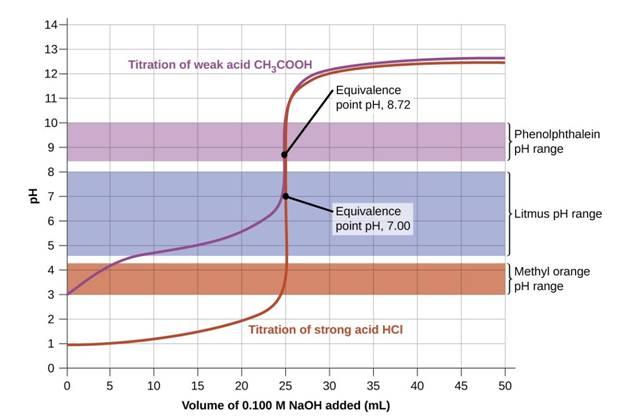
- Titration curves and endpoint documentation
- Method traceability and interpretation

Why Choose Materials Metric for Titrimetric Analysis
Materials Metric provides high-accuracy, defensible titration data supported by expert chemists and meticulously controlled analytical workflows.
We offer:
• Full suite of titration types for acids, bases, metal ions, and redox species
• Automated titration systems for repeatability and precision
• Expertise in complex matrices, including polymers, biomaterials, industrial fluids, and pharmaceuticals
• Regulatory-aligned documentation suitable for FDA, ISO, GMP, and QC needs
• Integrated chemical profiling that combines titrimetry with spectroscopy, ICP analysis, and chromatography
Our titration services deliver robust, decision-ready results that support formulation optimization, quality control, and regulatory submissions.