Frequently Asked Questions
What is analytical testing?
Analytical testing is the measurement of the chemical composition, properties, and quality of materials using instrumental and classical laboratory techniques. It answers what a material is made of, whether it meets specification, and why it may be failing. Materials Metric provides analytical testing across chromatography, spectroscopy, elemental analysis, and wet chemistry for a wide range of industries.
What is analytical testing used for?
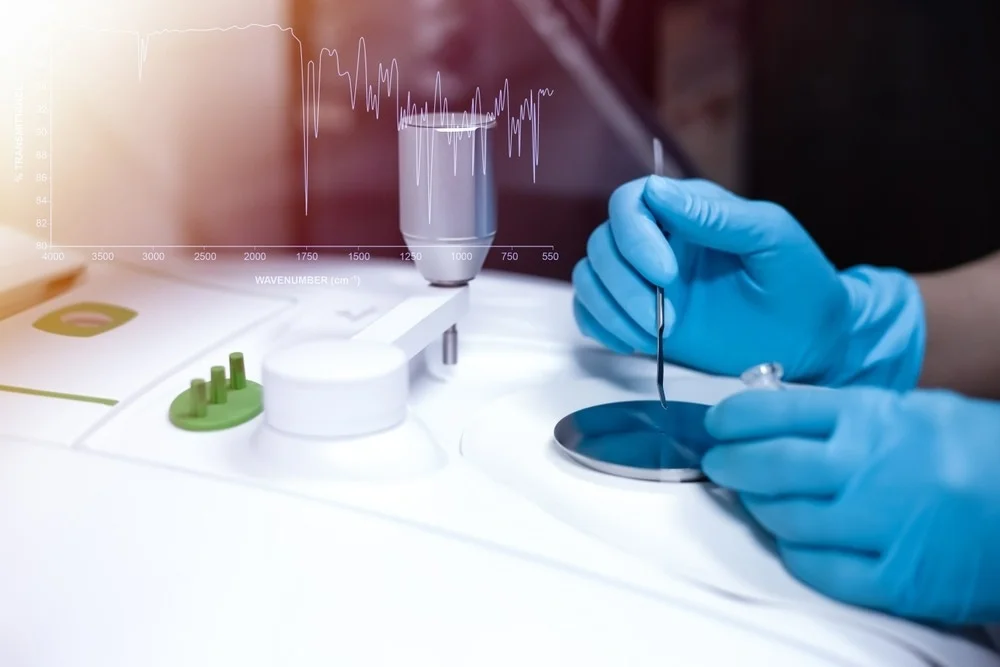
It is used for material identification, composition and purity verification, contaminant and impurity investigation, deformulation, quality control, and failure analysis. Services span techniques such as HPLC, GC-MS, FTIR, ICP-MS, titration, and gravimetric analysis, selected to fit each question. This supports product development, regulatory compliance, incoming inspection, and troubleshooting.
What sample is required for analytical testing?
A representative sample is required, with the quantity and form depending on the tests selected, ranging from a few milligrams to tens of grams. Solids, liquids, powders, extracts, and finished parts are all accepted. Providing background on the material, its history, and the specific concern lets us recommend the right test plan.
Which standards apply to analytical testing?
Testing follows validated or fit-for-purpose methods aligned with ASTM, ISO, and USP where applicable, matched to the material and the client regulatory context. Specific compendial or industry standards are applied for determinations that have them. Where no published method fits, Materials Metric uses documented, fit-for-purpose procedures with appropriate controls.