
Metal contamination sources | Materials Metric
Most metal contamination sources hide in tooling, raw materials, or wear. Materials Metric explains how to trace them with ICP-MS.
READ MORE
Most metal contamination sources hide in tooling, raw materials, or wear. Materials Metric explains how to trace them with ICP-MS.
READ MORE
Heavy metal testing confirms your materials meet safety and regulatory limits. Materials Metric explains the ICP-MS methods behind the data.
READ MORE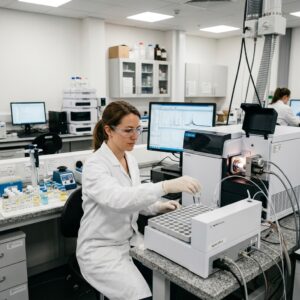
ICP-MS vs ICP-OES: which technique fits your trace metal needs? Materials Metric compares detection limits, cost, and ideal applications.
READ MORE
Trace metal contamination can come from materials, tooling, or process. Materials Metric explains how ICP-MS pinpoints the source.
READ MORE
USP 232 and 233 testing controls elemental impurities in your product. Materials Metric explains how ICP-MS meets these pharmacopeial limits.
READ MORE
A leachables risk assessment links migration data to patient safety. Materials Metric explains how leachables are evaluated and reported.
READ MORE
A sound extractables study design prevents wasted testing and FDA questions. Materials Metric explains how to scope the study correctly.
READ MORE
What drives chemical characterization cost, and how to budget realistically. Materials Metric explains the factors that move E&L pricing.
READ MORE
Combination product characterization spans both device and drug pathways. Materials Metric explains how to plan chemistry data for these products.
READ MORE
Non-targeted analysis finds compounds you did not know to look for. Materials Metric explains how this screening protects against hidden…
READ MORE