Choosing the right extraction conditions directly determines whether your chemical characterization data reflects reality — or misleads it. At Materials Metric, we help engineers and scientists select, validate, and defend extraction parameters that meet regulatory expectations and produce reproducible results.
Extraction conditions govern every step of how a solvent interacts with a material to release chemical compounds. Furthermore, they influence which extractables appear, at what concentrations, and whether the data supports downstream toxicological or biocompatibility assessments. Consequently, getting these parameters right is not optional — it is foundational.
In addition, regulators including the FDA, ISO, and USP expect extraction protocols to reflect worst-case clinical use scenarios. Therefore, laboratories must justify every parameter choice with scientific rationale. This post explains what extraction conditions are, why they matter, and how to select them correctly for compliant, defensible testing.
Key Takeaways
- Extraction conditions — including solvent, temperature, time, and agitation — directly control which chemical compounds a test can detect.
- Regulatory frameworks such as ISO 10993-18 Chemical Characterization and USP require scientifically justified extraction parameters.
- Exaggerated conditions are often used deliberately to reveal the full extractable profile of a material.
- Solvent selection must reflect the intended clinical or end-use environment to produce relevant data.
- Method development and validation are essential before extraction conditions can support regulatory submissions.
- Poorly chosen extraction conditions can cause false negatives — missing hazardous compounds — or false positives that delay product approval.
Extraction conditions: the controlled set of experimental parameters — including solvent type, temperature, duration, surface-area-to-volume ratio, and agitation method — applied during laboratory extraction to systematically release chemical compounds from a material for identification and quantification.
Key fact: Extraction conditions are one of the leading sources of variability in chemical characterization studies — making parameter selection and documentation a critical element of any regulatory submission.
What Are Extraction Conditions and Why Do They Matter?
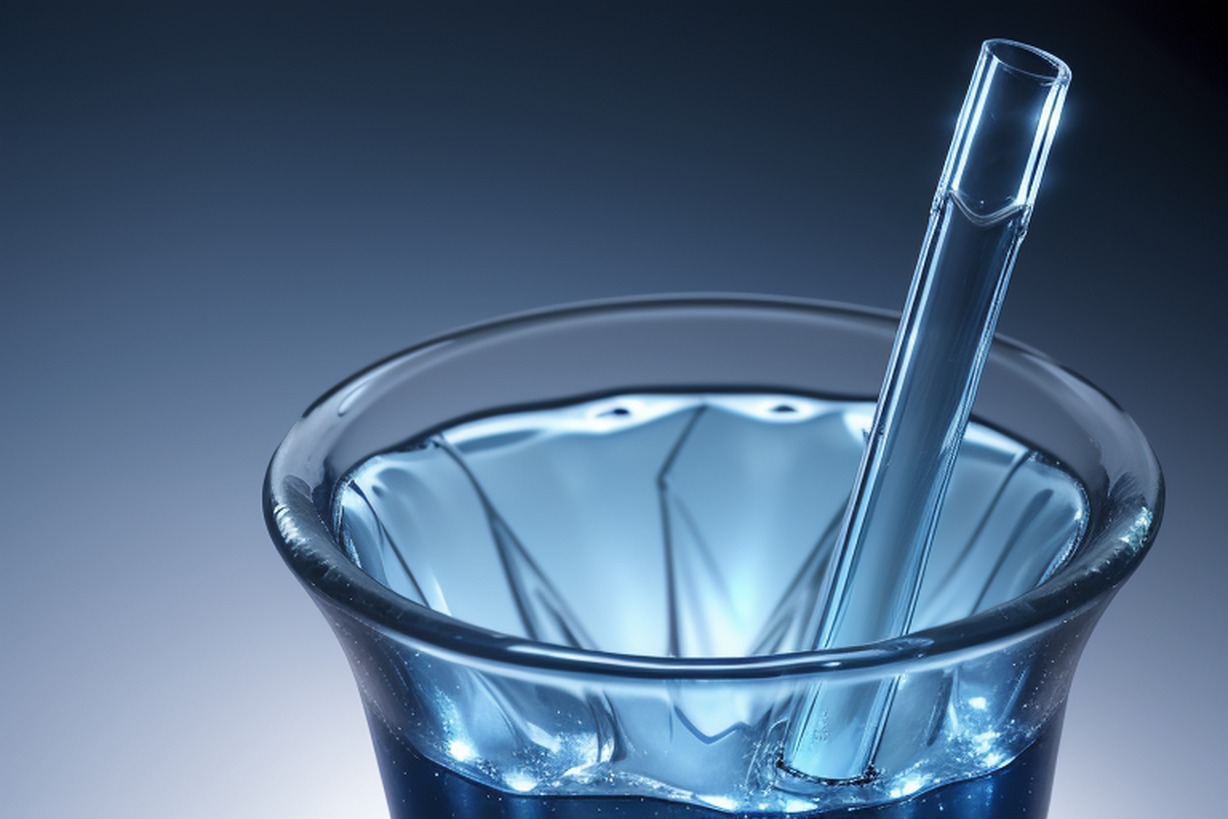
Extraction conditions define the environment in which a solvent contacts a test material to pull out chemical substances. These parameters collectively determine what gets extracted, how much is recovered, and whether the data is reproducible. For regulatory purposes, every parameter must be justified scientifically.
Moreover, extraction conditions directly affect your ability to detect low-level extractables that could pose patient safety risks. Poorly chosen parameters can cause critical compounds to remain undetected. Consequently, regulators require laboratories to demonstrate that their extraction approach provides a thorough, worst-case profile of a material’s chemical output.
The Core Parameters That Define Extraction Conditions
Several key variables define extraction conditions in any laboratory protocol. These include solvent type, extraction temperature, extraction duration, the surface-area-to-volume (SA/V) ratio, agitation method, and the number of extraction cycles. Each parameter interacts with the others, so changes to one can amplify or diminish the effect of another.
For example, increasing temperature often accelerates solvent penetration and compound release. Similarly, extending duration typically increases total extractable yield. However, excessive temperature or time can also degrade heat-sensitive compounds, producing artifacts that misrepresent the material’s true chemical profile.
How Extraction Conditions Relate to Regulatory Expectations
Regulatory agencies do not prescribe a single universal extraction protocol. Instead, they require that extraction conditions be scientifically justified and appropriate for the material and its intended use. The ISO 10993-18 Chemical Characterization standard explicitly states that extraction conditions should simulate or exaggerate clinical contact conditions.
Furthermore, USP General Chapter <232> Elemental Impurities sets limits on specific elements that laboratories must reliably extract and quantify. In addition, FDA guidance documents for drug-device combination products and container closure systems reference extraction parameters as a key documentation requirement. Therefore, your extraction protocol is as important as the analytical method itself.
Our team at Materials Metric provides Method Development & Validation services specifically designed to help clients build scientifically defensible extraction protocols that satisfy these expectations.
How Do Solvent Selection and Extraction Conditions Interact?
Solvent selection is arguably the single most consequential extraction condition choice a scientist makes. The solvent must be chemically compatible with the test material, capable of dissolving the target compounds, and representative of the clinical or end-use environment. Notably, no single solvent captures every chemical class from every material type.
Therefore, most comprehensive extractables studies use multiple solvents — typically polar, non-polar, and aqueous — to ensure broad chemical coverage. This multi-solvent approach reflects guidance from both ISO 10993-18 and industry best practices for medical devices and pharmaceutical packaging. Our Chemical & Analytical Testing services incorporate this systematic approach to solvent selection.
Polar vs. Non-Polar Solvents: Choosing Based on Material Chemistry
Polar solvents such as water, ethanol, and isopropanol preferentially extract hydrophilic compounds, including ionic species, water-soluble additives, and certain organic acids. By contrast, non-polar solvents such as hexane, dichloromethane, and chloroform are more effective at extracting lipophilic compounds — plasticizers, antioxidants, lubricants, and unreacted monomers.
Importantly, the polarity of the solvent should align with the polarity of the clinical contact fluid. For instance, devices that contact lipid-rich tissues may warrant non-polar solvent extraction to simulate that environment. Meanwhile, devices exposed only to saline or blood plasma may need aqueous and mild polar solvents as primary extraction vehicles.
Simulated Body Fluids as Extraction Conditions
In many biocompatibility studies, laboratories replace or supplement organic solvents with simulated body fluids. These include simulated gastric fluid, simulated intestinal fluid, artificial saliva, and isotonic saline. Specifically, these media mimic the pH, ionic strength, and enzymatic environment a device encounters during patient use.
However, simulated body fluids often extract far fewer compounds than aggressive organic solvents. Furthermore, they may miss non-polar extractables that would dissolve in tissue lipids. As a result, most ISO 10993-18-compliant protocols use simulated body fluids alongside more aggressive solvents to capture both clinically relevant and worst-case chemical profiles. Our Biocompatibility & Toxicity Testing team can advise on appropriate fluid selection for your specific device type.
Solvent Compatibility and Material Integrity
A critical but often overlooked aspect of extraction conditions is solvent compatibility with the test material. Aggressive solvents such as dichloromethane can dissolve or swell certain polymers, causing structural breakdown rather than surface extraction. Consequently, extracted quantities may be artificially elevated, producing data that does not reflect clinical reality.
Therefore, scientists must evaluate whether the chosen solvent degrades the material before committing to a protocol. Visual inspection, mass loss measurement, and mechanical property testing before and after extraction can confirm material integrity. In addition, methods like FTIR Analysis can confirm whether extraction caused structural changes in the polymer matrix.
What Role Do Temperature and Time Play in Extraction Conditions?
Temperature and extraction time are among the most powerful levers available for controlling extraction intensity. Elevating temperature increases molecular kinetic energy, accelerating diffusion of compounds from the material into the solvent. Similarly, extending extraction time allows more complete equilibration between the material and the extracting medium.
However, neither parameter can be increased without limit. Moreover, overly aggressive conditions may produce degradation products, modify labile compounds, or cause solvent evaporation that skews concentration data. Therefore, laboratories must balance extraction efficiency against chemical stability when selecting these conditions.
Temperature Selection: Reflux, Elevated, and Ambient Conditions
Laboratory extraction protocols commonly operate at three temperature levels. Ambient extraction (typically 20–25°C) is used for thermally sensitive materials or when simulating room-temperature storage conditions. Elevated temperature extraction (37–60°C) mimics body temperature or accelerated migration scenarios.
Meanwhile, reflux conditions at or near the solvent’s boiling point are used for exhaustive extraction — the goal being to recover the maximum possible extractable burden. For example, ISO 10993-18 recommends reflux or elevated temperatures when the objective is to characterize the complete chemical inventory of a material. For more detail on this approach, see our related article on exhaustive extraction.
Extraction Duration and Multiple Extraction Cycles
Extraction time strongly influences total yield, particularly for compounds embedded deep within a polymer matrix. Short extractions (1–3 hours) may capture surface-associated compounds but miss bulk matrix constituents. Longer extractions (24–72 hours) or repeated extraction cycles provide more complete recovery.
Furthermore, sequential multi-cycle extraction — where the same material is extracted repeatedly with fresh solvent — can reveal how extractable release diminishes over time. This approach helps distinguish between surface contamination and matrix-embedded compounds. In addition, it supports modeling of cumulative patient exposure over device lifetime, which is a key input into Biocompatibility & Toxicity Testing risk assessments.
Balancing Extraction Conditions to Avoid Artifacts
Artificially harsh extraction conditions — extreme temperature combined with very long duration — can generate thermal degradation products that do not exist under normal use. Consequently, analysts may detect and report compounds that would never actually migrate to a patient. These artifacts create unnecessary regulatory burden and toxicological evaluation work.
Therefore, extraction conditions must strike a deliberate balance: aggressive enough to reveal the full extractable profile, but controlled enough to avoid generating misleading data. Notably, this balance is where expert laboratory judgment and rigorous Method Development & Validation are most critical. Published methodology in ScienceDirect – Analytical Methods provides extensive peer-reviewed guidance on establishing these boundaries.
Quick note: When extraction conditions are too mild, hazardous compounds can remain undetected — creating a false sense of safety. When they are too harsh, laboratories generate degradation artifacts that trigger unnecessary toxicological investigations and delay product approval.
Surface-Area-to-Volume Ratio in Extraction Conditions
The surface-area-to-volume (SA/V) ratio is a critical geometric extraction condition that controls how much material surface contacts a given volume of solvent. A higher SA/V ratio exposes more material surface per milliliter of extractant, typically yielding higher extractable concentrations. Consequently, this parameter strongly affects detection sensitivity and total extracted mass.
Regulatory guidelines such as ISO 10993-12 provide specific SA/V ratios based on material category — for example, 6 cm²/mL for devices with flat or tubular geometries. Furthermore, using a non-standard SA/V ratio without justification can invalidate a study in the eyes of a regulatory reviewer.
How SA/V Ratio Affects Extractables Concentration
A higher SA/V ratio concentrates extractables into a smaller solvent volume, making trace-level compounds easier to detect. For example, cutting a device into small pieces before extraction dramatically increases exposed surface area. However, cutting also alters the material’s surface characteristics — introducing cut-edge artifacts not present in the finished device.
Therefore, analysts must document sample preparation steps in detail. Moreover, they should justify whether cut pieces, intact samples, or powdered material best represents clinical use. Our related article on extractables vs leachables explains how this distinction affects the relevance of extraction data to actual patient exposure.
Agitation Methods and Their Effect on Extraction Efficiency
Agitation during extraction helps renew the solvent-material interface, preventing saturation of the boundary layer and improving mass transfer. Common agitation methods include orbital shaking, magnetic stirring, sonication, and reflux. Specifically, each method imparts a different level of mechanical energy and turbulence.
Sonication, for instance, is particularly effective for breaking up surface films and enhancing compound release from complex geometries. Meanwhile, gentle orbital shaking mimics more physiologically relevant contact scenarios. In addition, reflux continuously cycles solvent across the material surface, providing both thermal and physical agitation simultaneously.
Choosing the right agitation method is therefore part of designing appropriate extraction conditions — not an afterthought. Our Wet Chemistry & Classical Analytical Methods team applies validated agitation protocols tailored to each material type and regulatory context.
Which Analytical Techniques Best Support Extraction Conditions Studies?
Selecting the right analytical technique is just as important as defining the extraction conditions themselves. Furthermore, the analytical method must match the expected chemical classes, concentration ranges, and regulatory detection limits for the material under study. Consequently, most comprehensive studies combine multiple complementary techniques.
Our Chemical & Elemental Characterization services cover the full range of analytical platforms needed to support extractables and leachables studies across industries.
Elemental Analysis: ICP-MS, ICP-OES, and AAS
Inductively coupled plasma mass spectrometry (ICP-MS) is the gold standard for trace elemental analysis in extraction studies. Specifically, it can quantify metals and metalloids at parts-per-trillion levels — essential when meeting the strict limits set by USP Elemental Impurities guidance. Moreover, ICP-MS provides multi-element capability in a single analytical run.
ICP optical emission spectrometry (ICP-OES) offers a complementary approach for higher-concentration elemental analysis. By contrast, atomic absorption spectrometry (AAS) is element-specific and best suited to targeted, single-element quantification. Together, these techniques address the full spectrum of elemental extraction conditions requirements across pharmaceutical and medical device applications.
Organic Extractables: GC-MS and HPLC
Organic extractables require chromatographic separation before identification and quantification. GC-MS Analysis excels at identifying volatile and semi-volatile organic compounds — including plasticizers, antioxidants, oligomers, and residual processing solvents. In addition, it provides library-matchable mass spectra that support confident compound identification.
For non-volatile, thermally labile, or polar organic compounds, HPLC Analysis is the preferred platform. Furthermore, coupling HPLC to high-resolution mass spectrometry enables detection of trace-level unknowns that standard UV detection would miss. These techniques together ensure that extraction conditions studies generate chemically comprehensive extractable profiles.
Spectroscopic Confirmation of Extracted Compounds
Beyond chromatographic identification, spectroscopic techniques provide structural confirmation and surface characterization. FTIR Analysis rapidly identifies functional groups in extracted residues and confirms polymer identity. Similarly, NMR Spectroscopy delivers detailed structural information on isolated extractable compounds, supporting unambiguous identification.
For inorganic surface species, XPS Analysis reveals elemental oxidation states at the material surface — useful for understanding which chemical forms are present before extraction begins. Additionally, Raman Spectroscopy can characterize particulates or residues in the extraction solution without extensive sample preparation. Combining these techniques builds a robust analytical foundation for any extraction conditions study.
How Do Extraction Conditions Vary Across Industries?
Different industries apply extraction conditions within distinct regulatory frameworks, product types, and risk contexts. However, the underlying scientific principles remain consistent. Understanding how these applications differ helps laboratories design protocols that are both technically sound and contextually appropriate.
Pharmaceutical Packaging and Container Closure Systems
In pharmaceutical manufacturing, extraction conditions studies focus on container closure systems — including vials, stoppers, syringes, and plastic bottles. Regulatory expectations come from FDA guidance and USP Elemental Impurities chapters. Specifically, extraction conditions must simulate the drug product’s solvent, pH, and temperature over its shelf life.
For parenteral drug products, even trace-level extractables carry significant safety implications. Therefore, laboratories use aggressive conditions — elevated temperature, extended duration, and multiple solvents — to map the full extractable profile before patient exposure risk assessment begins. Our Chemical Purity & Contaminant Screening services support these high-sensitivity pharmaceutical applications.
Medical Device Chemical Characterization
Medical device extraction studies operate under ISO 10993-18, which requires extraction conditions to reflect the nature, duration, and frequency of patient contact. Devices with permanent implantation require more exhaustive extraction than short-contact accessories. Furthermore, multi-component devices — such as catheters with adhesive coatings — demand separate extraction of each material.
Consequently, medical device teams must define extraction conditions for each distinct material in a device’s construction. Our article on medical device extractables and leachables provides detailed guidance on navigating this complexity. For specialized support, our Scientific & Technical Consulting team works directly with device manufacturers to design appropriate protocols.
Aerospace, Industrial, and Environmental Applications
Beyond healthcare, extraction conditions studies apply to aerospace materials, food contact materials, and environmental contamination assessments. In aerospace, extraction testing characterizes outgassing and chemical release from composites, sealants, and coatings used in enclosed environments. Moreover, food contact materials require extraction under conditions that simulate food processing temperatures and contact durations.
Environmental monitoring uses extraction conditions to assess contaminant release from soils, sediments, and industrial waste streams. Notably, standardized methods such as toxicity characteristic leaching procedure (TCLP) define specific extraction conditions for regulatory compliance in waste classification. These applications demonstrate that the principles governing extraction conditions extend well beyond pharmaceutical and medical device contexts.
Quality Assurance and Best Practices for Extraction Conditions
Rigorous quality assurance transforms a well-designed extraction protocol into a reproducible, defensible study. Furthermore, it ensures that data submitted to regulators accurately reflects the material under study — not measurement artifacts or laboratory errors. Therefore, quality controls must be embedded throughout every extraction conditions study.
Essential Quality Controls for Extraction Studies
Every extraction study should include procedural blanks, method spikes, and reference standards. Procedural blanks — solvent run through the complete extraction process without sample — identify any background contamination introduced by the laboratory or equipment. Method spikes confirm that the analytical system recovers target compounds at acceptable efficiency.
In addition, replicate extractions from the same material lot confirm that the extraction conditions produce consistent results. Acceptable relative standard deviations (RSDs) for replicate extractions typically fall below 15–20% for organic analytes and 10% for elemental analytes. Documenting these controls fully supports data integrity under regulatory scrutiny. Our Chemical & Analytical Testing laboratory applies comprehensive quality controls to every extraction study.
Documentation and Traceability Requirements
Regulators expect complete documentation of every extraction conditions parameter — not just the results. Specifically, the extraction protocol must record solvent lot numbers, instrument calibration records, sample preparation timestamps, and analyst identity. Consequently, any deviation from the planned protocol must be captured and justified in the study record.
Electronic laboratory notebooks (ELNs) and laboratory information management systems (LIMS) support traceability and audit readiness. Furthermore, version-controlled standard operating procedures (SOPs) ensure that extraction conditions remain consistent across analysts and studies over time. Our Method Development & Validation services include full SOP development and documentation support.
Comparing Common Extraction Conditions: A Summary Table
The following table summarizes common extraction condition choices, their typical applications, and their key tradeoffs. Use this comparison as a starting framework — your specific material and regulatory context will ultimately guide final parameter selection.
| Parameter | Mild Conditions | Moderate Conditions | Aggressive Conditions |
|---|---|---|---|
| Temperature | 20–25°C (ambient) | 37–60°C (elevated) | Reflux / boiling point |
| Duration | 1–4 hours | 24–48 hours | 72+ hours or multi-cycle |
| Solvent Polarity | Aqueous / saline | Ethanol / IPA | DCM / hexane / chloroform |
| Agitation | Still / gentle shaking | Orbital shaking | Sonication / reflux |
| SA/V Ratio | Standard per ISO 10993-12 | Elevated (cut pieces) | Maximized (powder / film) |
| Typical Use Case | Simulation of clinical use | Accelerated migration study | Exhaustive / worst-case profiling |
| Key Risk | Underextraction / false negatives | Moderate artifact potential | Degradation artifacts / false positives |
For guidance on how extraction data connects to the broader regulatory picture, see our related article on chemical characterization vs biocompatibility. Additionally, published methodology from ScienceDirect offers peer-reviewed benchmarks for extraction conditions across material types.
Frequently Asked Questions About Extraction Conditions
What are extraction conditions in chemical characterization?
Extraction conditions are the controlled experimental parameters — including solvent type, temperature, duration, SA/V ratio, and agitation — used to release chemical compounds from a material. Specifically, they determine which substances are detected, at what concentrations, and whether the data reflects clinical use or worst-case scenarios. Regulatory agencies require these parameters to be scientifically justified and fully documented.
Why do extraction conditions matter for regulatory submissions?
Regulators such as the FDA and ISO expect extraction conditions to reflect the intended use environment of the product. Poorly justified conditions can result in study rejection, requests for additional data, or product approval delays. Furthermore, conditions that are too mild risk missing hazardous compounds — creating a patient safety gap that regulators will not accept.
How do I choose the right solvent for extraction conditions?
Solvent selection depends on the material’s chemistry, the target compound classes, and the clinical contact environment. Generally, laboratories use a combination of polar, non-polar, and aqueous solvents to ensure broad chemical coverage. Moreover, the chosen solvent must not degrade the material in ways that produce extraction artifacts. Our Method Development & Validation team can guide solvent selection for your specific material and regulatory context.
What is the difference between exhaustive and simulated-use extraction conditions?
Exhaustive extraction uses the most aggressive conditions possible — high temperature, long duration, and potent solvents — to recover the maximum total chemical burden from a material. Simulated-use extraction, by contrast, mirrors the actual clinical contact conditions in terms of solvent, temperature, and time. Both serve different regulatory purposes: exhaustive extraction defines the chemical inventory, while simulated-use extraction assesses patient exposure risk.
Can extraction conditions affect biocompatibility assessment outcomes?
Absolutely. The compounds identified and quantified under specific extraction conditions feed directly into toxicological risk assessments and Biocompatibility & Toxicity Testing evaluations. Consequently, if extraction conditions miss key compounds, the toxicological assessment will underestimate patient risk. Conversely, artificially harsh conditions can generate degradation products that trigger unnecessary in vivo testing.
How often should extraction conditions be revalidated?
Extraction conditions require revalidation whenever there is a significant change to the material formulation, manufacturing process, supplier, or intended use. Additionally, regulatory agencies may request revalidation if new analytical methods become available that offer improved sensitivity or specificity. Periodic review — typically every two to three years — also represents good laboratory practice. Our Scientific & Technical Consulting team can assess whether your current extraction protocol remains fit for purpose.
Conclusion
Extraction conditions are the foundation of every credible chemical characterization study. Selecting the right solvent, temperature, duration, SA/V ratio, and agitation method requires both scientific expertise and regulatory awareness. Furthermore, every parameter choice must be documented, justified, and validated before supporting a regulatory submission.
Getting extraction conditions right protects patients, accelerates product approval, and builds long-term confidence in your quality system. By contrast, poorly designed extraction protocols introduce risk at every stage — from missed hazardous compounds to unnecessary toxicological investigations. Consequently, this is not an area where guesswork or generic defaults are acceptable.
Moreover, as materials grow more complex and regulatory expectations continue to evolve, the need for expert-designed extraction protocols will only increase. Whether you are developing a new medical device, qualifying pharmaceutical packaging, or characterizing an industrial material, the extraction conditions you choose will define the quality and defensibility of your data.
At Materials Metric, our team of analytical chemists, toxicologists, and regulatory specialists brings deep expertise to every extraction conditions study. Therefore, if you are ready to design, validate, or improve your extraction protocol, we invite you to contact Materials Metric today. We will work with you to build an extraction approach that meets your scientific goals, satisfies regulatory expectations, and delivers reliable, reproducible results.
Related Posts from Materials Metric
Explore more insights from our team of materials scientists and analytical experts:
- Exhaustive extraction | Materials Metric | Chem Lab
- Medical device extractables and leachables | Materials Metric
- Extractables vs leachables | Materials Metric | Chem Lab
- 510k testing requirements | Materials Metric | Compliance