What is DMA Testing? A Complete Guide by Materials Metric
Understanding material behavior under different conditions is critical in material science and engineering. One of the most effective techniques…

Spectroscopic analysis for materials compliance: 6 key methods
Discover 6 core spectroscopic methods for pharma R&D, ICH Q2(R2) validation frameworks, AI integration strategies, and compliance best practices…
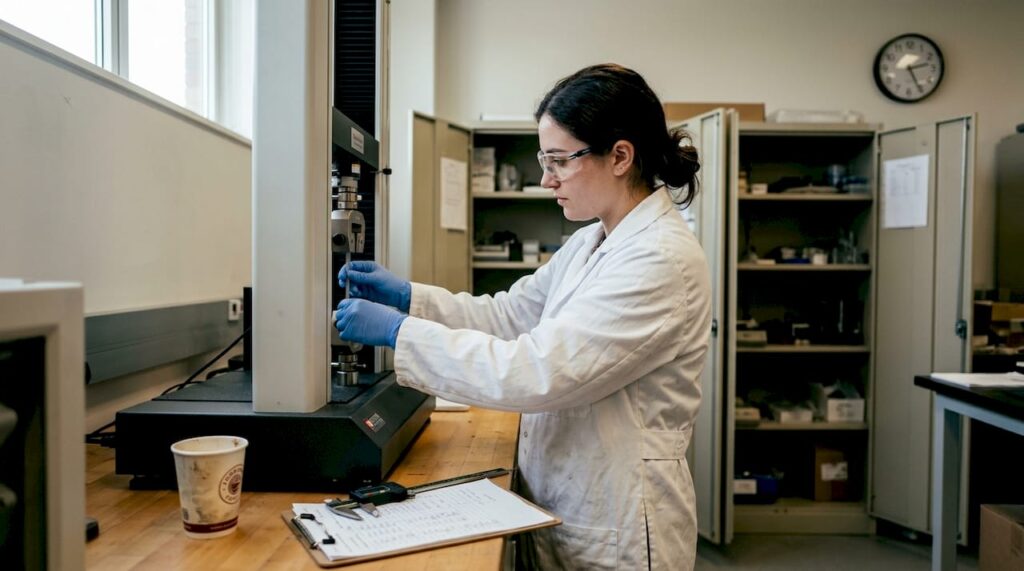
Tensile testing: material performance and compliance in 2026
Learn how tensile testing validates material strength, yield, and compliance for biomedical, aerospace, and manufacturing R&D teams using ASTM…

Latest Advances in Scanning and Transmission Microscopes – Materials Metric Analysis
In the rapidly evolving field of material science, scanning and transmission microscopes play a critical role in analyzing structures…
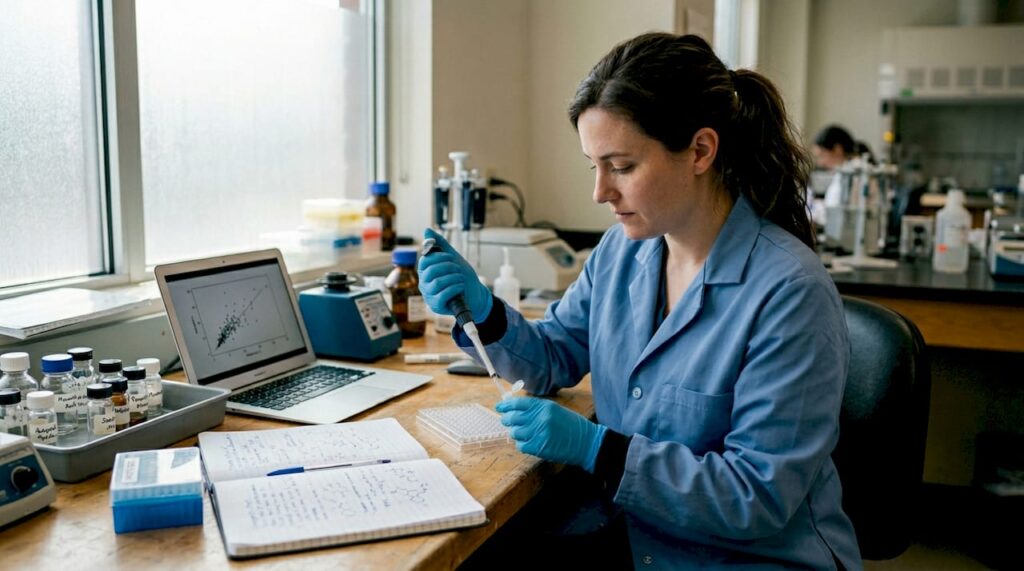
Assay labs explained: compliance, innovation, and testing
Discover what assay labs really do beyond regulatory sign-off. Learn key testing methods, FDA and ICH validation requirements, and…

Regulatory consulting for medical devices: 5 key strategies
Explore regulatory consulting strategies, FDA and EU MDR pathways, and advanced materials testing roles that drive successful medical device…
Why Medical Device Testing is Critical for Safety & Compliance – Materials Metric Insights
Medical device testing plays a vital role in ensuring that healthcare products are safe, reliable, and compliant with global…

Testing assays: Methods, validation, and regulatory insights
Explore testing assay types, workflows, mechanical techniques, and validation requirements to support regulatory compliance and product development success.
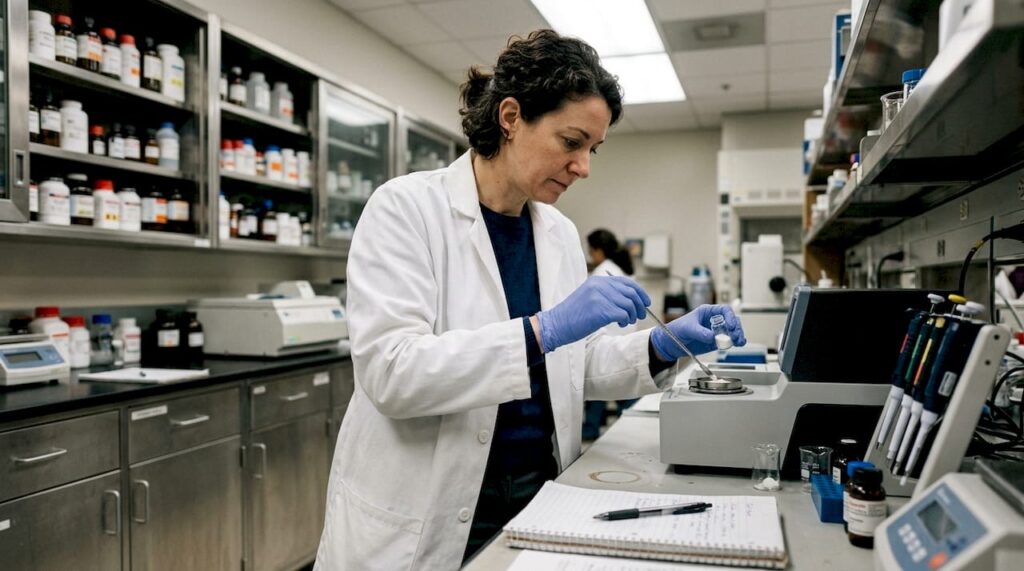
Thermal analysis: advanced strategies for biomedical and pharma teams
Explore advanced thermal analysis strategies including DSC, TGA, DMA, and hyphenated techniques to support regulatory compliance and material characterization…
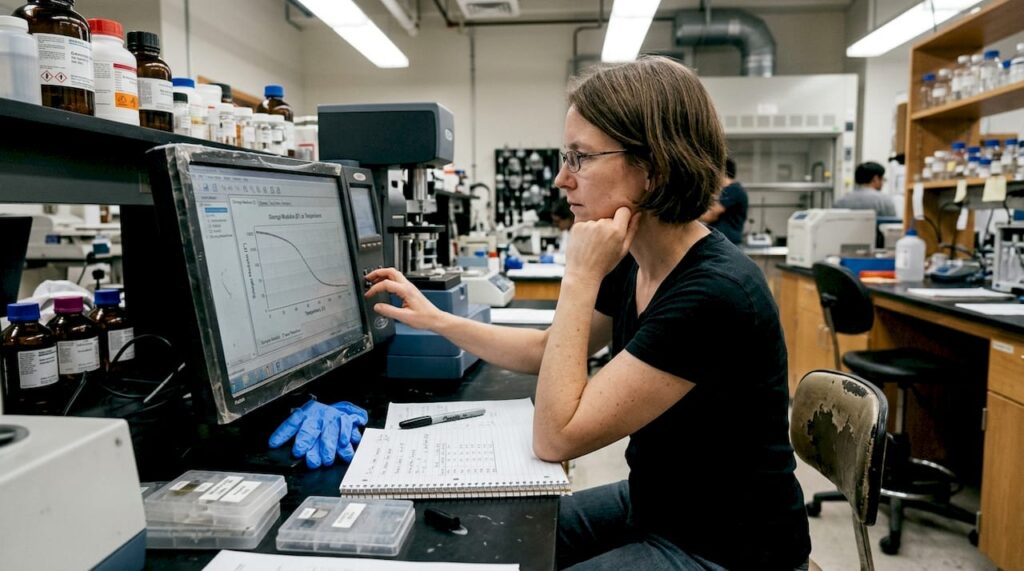
DMA testing guide: ensuring compliance and performance
Learn how DMA testing supports regulatory compliance and performance for biomedical and pharmaceutical materials, with methods, standards, and expert…

Chemical testing labs: Advanced methods and compliance insights
Explore how chemical testing labs use ICP-MS, GC/MS, XRF, and validated methods to support regulatory compliance and product development…
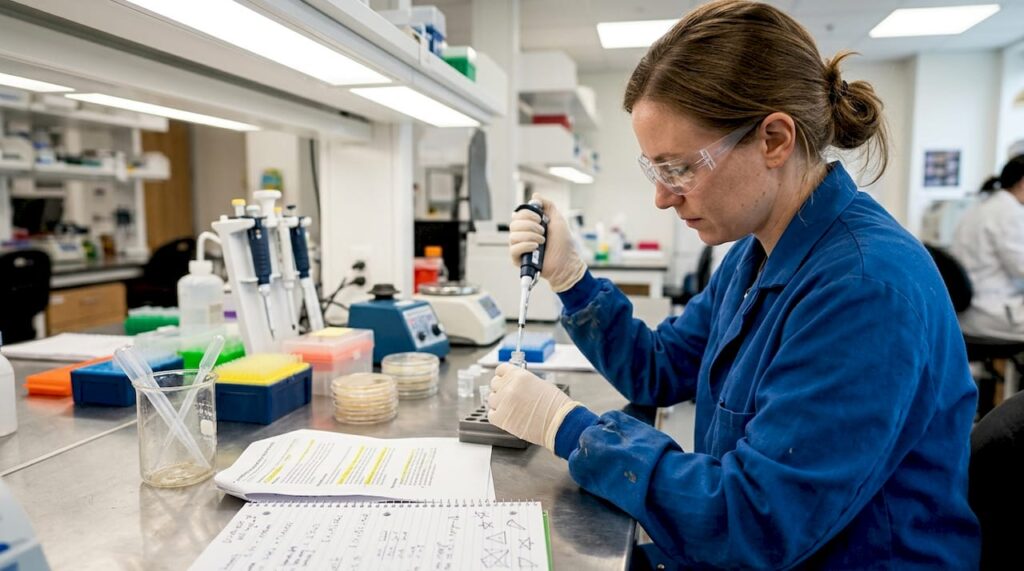
Laboratory assays: Methods, validation, and compliance
Learn how laboratory assays work, key validation parameters, FDA/ICH compliance standards, and best practices to avoid costly failures in…

Mechanical testing: 5 methods for product excellence
Discover 5 key mechanical testing methods that drive product quality, regulatory compliance, and innovation across biomedical, aerospace, and pharma…
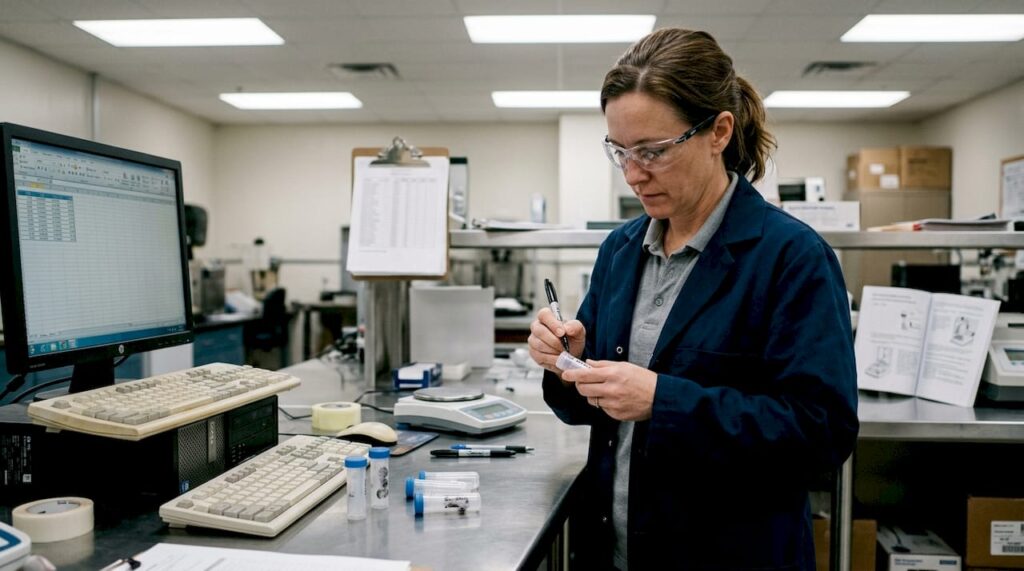
Material testing lab guide: Precision, compliance, innovation
Discover how material testing labs support biomedical and pharmaceutical R&D with precise characterization, regulatory compliance, and innovation-driven testing solutions.
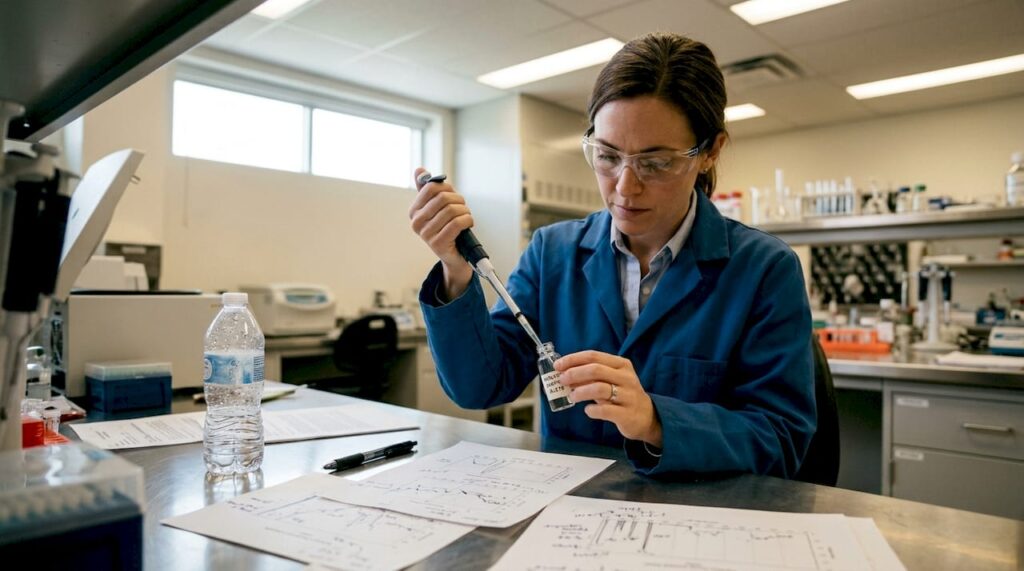
Analytical testing explained: methods, compliance, and impact
Explore analytical testing methods, validation standards, and sector-specific applications in pharma, aerospace, and energy to ensure compliance and drive…

Preclinical CRO Selection: 95% Fail Before IND Filing
Learn how to select preclinical contract research organizations that accelerate IND success. Expert guidance on CRO services, regulatory compliance,…

Contract research organizations: compliance and materials testing
Learn how contract research organizations support regulatory compliance and advanced materials testing for biomedical and pharmaceutical product development.

What is Confocal Microscopy? A Complete Guide by Materials Metric
Confocal microscopy is an advanced optical imaging technique used to increase optical resolution and contrast by using a spatial…

Contract Research Organization Services by Materials Metric: Accelerating Research & Innovation
In today’s fast-evolving pharmaceutical and life sciences industry, innovation requires speed, precision, and regulatory compliance. This is where Contract…

Wet Chemistry Testing at Materials Metric: Classical Analytical Methods for Accurate Chemical Analysis
Wet chemistry testing remains one of the most reliable analytical approaches used in laboratories worldwide. At Materials Metric, wet…

Biocompatibility Testing for Medical Devices: Top 10 Essential Tests – Materials Metric
Medical devices come in direct contact with the human body, making biocompatibility testing for medical devices a critical step…
What is Biocompatibility Testing for Medical Devices? A Simple Guide for Manufacturers
Medical devices interact directly or indirectly with the human body. Whether it is a surgical implant, catheter, diagnostic tool,…
How to Prepare for Biocompatibility Testing for Medical Devices: A Step-by-Step Regulatory Checklist (2026)
Preparing for biocompatibility testing for medical devices requires a structured, regulatory-driven approach. In 2026, authorities such as the U.S.…

Biocompatibility Testing for Medical Devices: Complete Guide to ISO 10993 Compliance
Biocompatibility testing for medical devices is a critical requirement for ensuring patient safety and achieving regulatory approval. Any device…
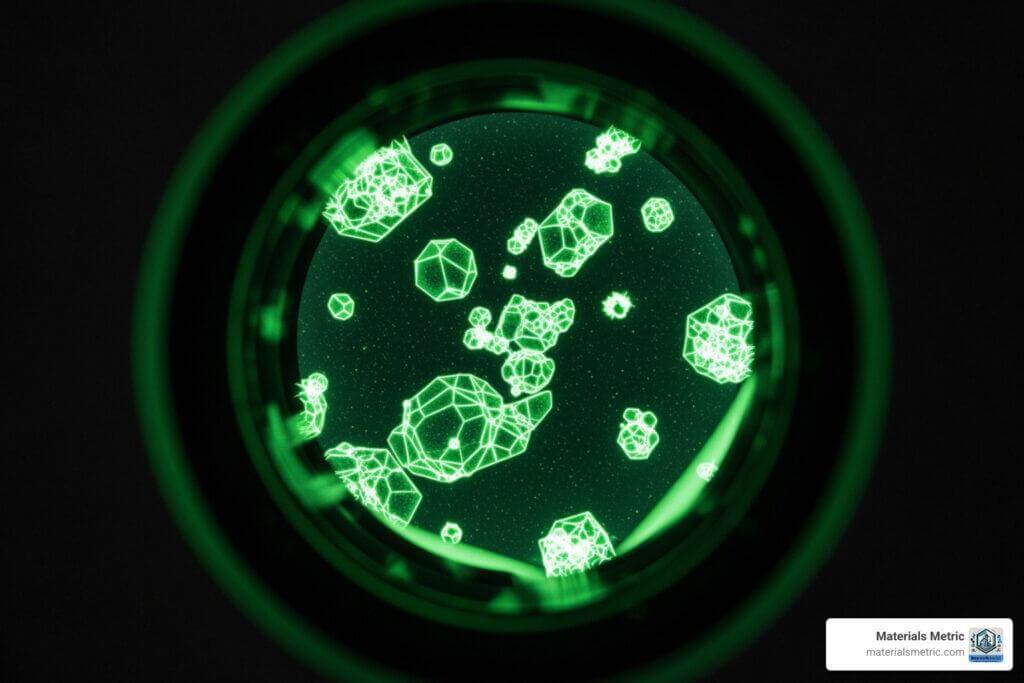
The Bright Side of TEM: Understanding Fluorescent Screen Technology
Discover how a tem fluorescent screen converts electrons to visible light for real-time TEM viewing, its function, evolution, and…
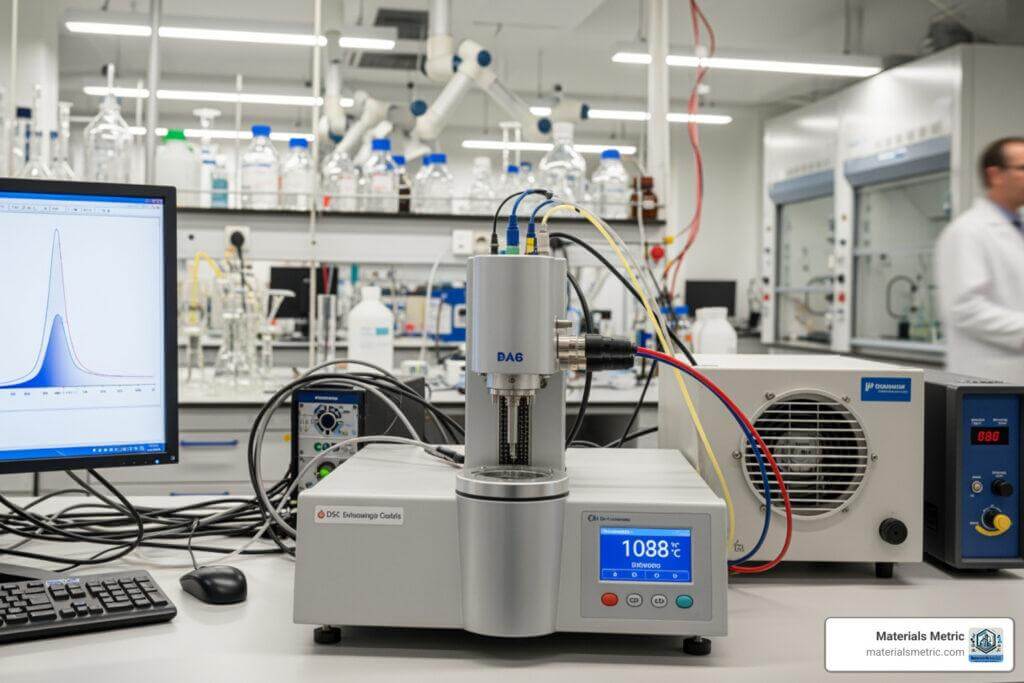
Beyond the Heat: Mastering DSC for Polymer and Data Analysis
Master DSC analysis for polymers & materials. Understand heat flow, interpret thermograms, & unlock properties for R&D to QC.
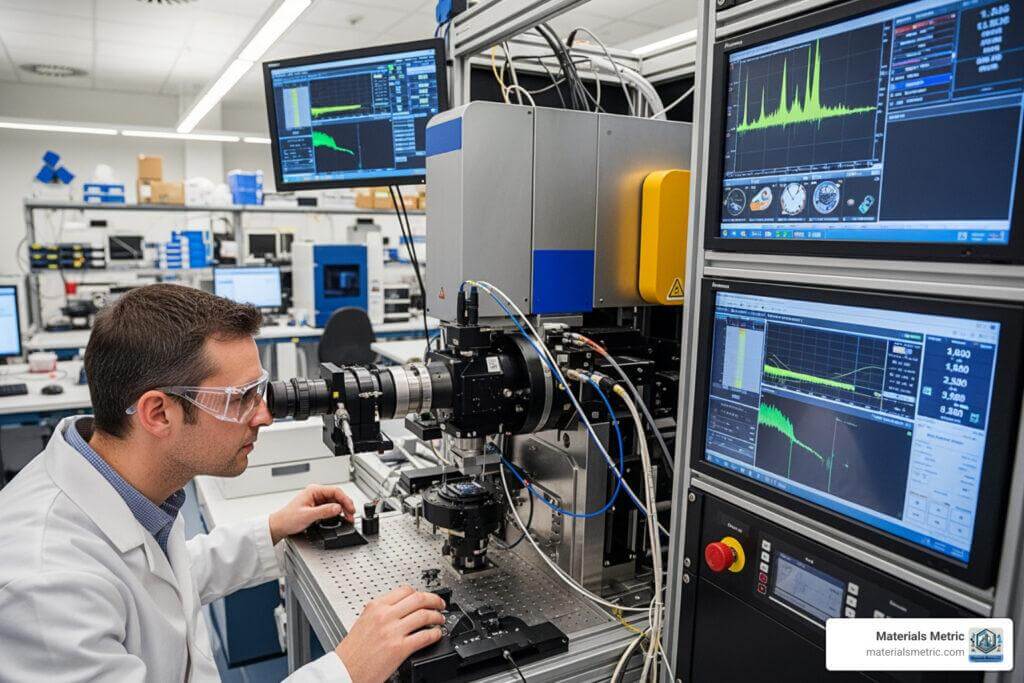
Your Lab’s Toolkit: Essential Advanced Material Characterization Techniques
Master advanced material characterization techniques. Dive into SEM, XPS, XRD & more to boost R&D, QC, and product innovation.
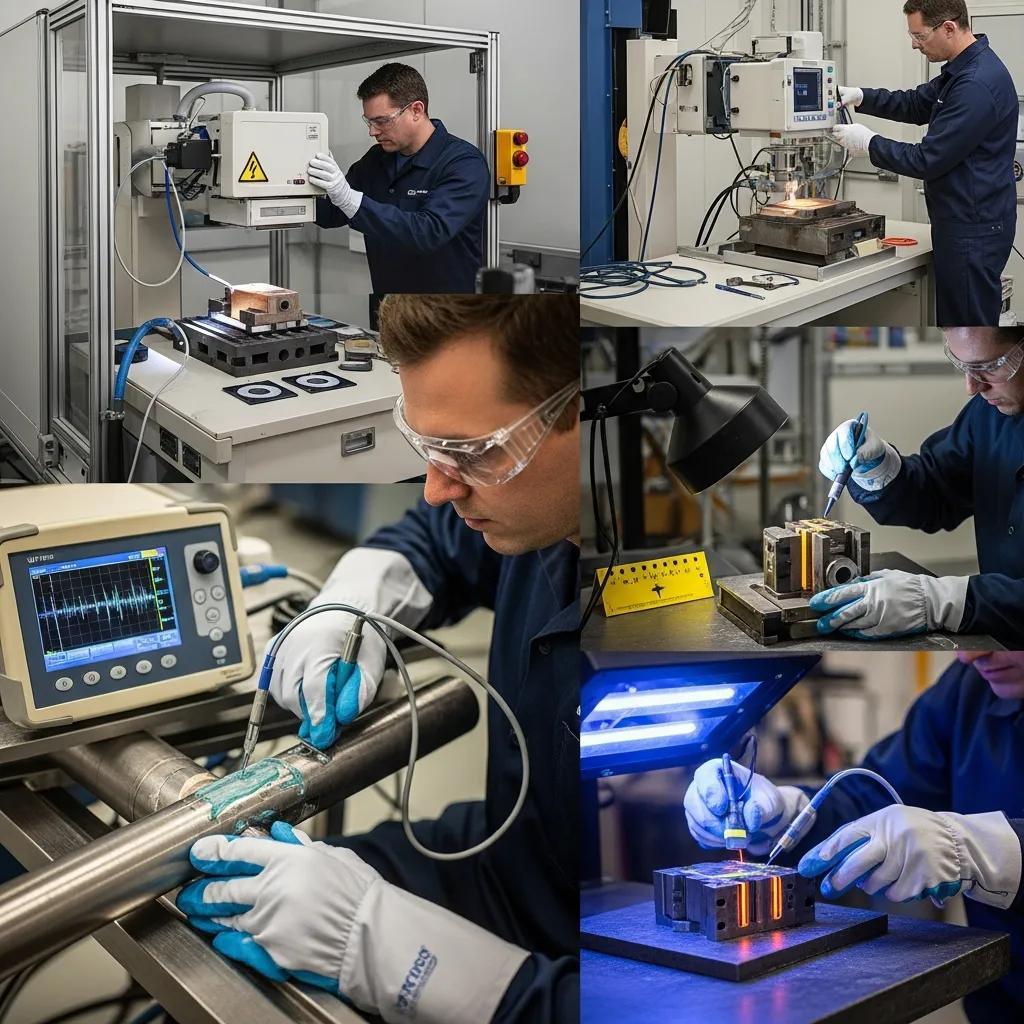
Essential Non-Destructive Material Testing Methods Explained
Unlock the secrets of essential non-destructive material testing methods. Learn how these techniques ensure quality and safety in various…

How to Validate Biocompatibility Testing for Regulatory Success
Learn how to validate biocompatibility testing with a step-by-step guide covering sample preparation, test execution, analysis, and regulatory documentation…

Why Biopharma Need R&D Consulting Expertise Now
Why biopharma need R&D consulting: Learn how advanced materials testing, regulatory insight, and innovation strategies optimize drug development results.