
Biological Safety Consulting
Biological Safety Consulting provides a structured, science-driven approach to evaluating the biological safety of medical devices, biomaterials, and patient-contacting products. Materials Metric supports manufacturers with ISO 10993-based biocompatibility strategy, Biological Evaluation Plans (BEP), Biological Evaluation Reports (BER), Toxicological Risk Assessments (TRA), Biological Risk Assessments (BRA), and testing strategy development for regulatory submissions.
A successful biological safety program is not simply a checklist of biocompatibility tests. The evaluation must consider the device’s intended use, patient-contact type, contact duration, material composition, manufacturing process, sterilization method, cleaning residues, degradation products, extractables/leachables, and available prior data. Materials Metric helps clients translate these factors into a clear, risk-based biological safety pathway aligned with ISO 10993 principles, FDA expectations, and global regulatory requirements.
At Materials Metric, we support biological safety evaluation across polymers, metals, ceramics, coatings, adhesives, colorants, nanomaterials, tissue-contacting systems, and combination products. Our consulting approach helps clients identify data gaps, reduce unnecessary testing, justify test omissions where scientifically appropriate, and prepare documentation that can support FDA, EU MDR, and other regulatory submissions.
Biocompatibility, Toxicology, and Biological Safety Consulting Services
• Develop Biological Evaluation Plans (BEP) for medical devices
• Prepare Biological Evaluation Reports (BER) using available test data and scientific rationale
• Conduct Toxicological Risk Assessments (TRA) based on chemical characterization, extractables, leachables, impurities, and degradation products
• Perform Biological Risk Assessments (BRA) for patient-contacting materials and devices
• Plan ISO 10993 biocompatibility test matrices
• Identify applicable biological endpoints based on contact type and duration
• Evaluate extractables/leachables and chemical characterization requirements
• Assess whether existing material, supplier, predicate-device, or historical data can support testing reductions
• Develop scientific rationales for test omission, modification, or additional testing
• Support FDA, EU MDR, and regulatory submission planning
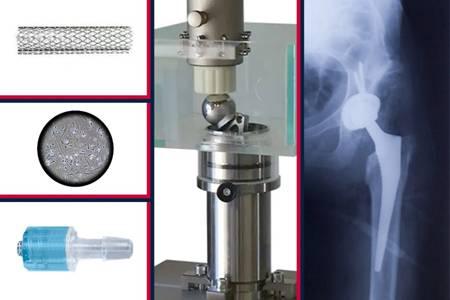

Device Types and Product Categories
• Medical devices
• Biomaterials and implants
• Dental materials and devices
• Drug-device combination products
• Tissue engineering scaffolds
• Wound care products
• Reusable medical devices
• Mucosal-contacting devices
• Skin-contacting devices
• Blood-contacting devices
• Coated, adhesive, polymeric, metallic, or ceramic devices
• Material changes, supplier changes, manufacturing changes, or sterilization changes
Consulting Process
1. Device and Material Review
Materials Metric begins by reviewing the device description, intended use, patient population, anatomical contact location, contact duration, material composition, formulation details, manufacturing process, sterilization method, packaging, and available test history.
This step helps define the biological safety question and ensures that the evaluation is based on the actual device, not a generic test checklist.
Key review areas include:
• Device classification and intended clinical use
• Direct or indirect patient contact
• Contact type: skin, mucosal membrane, blood, tissue, bone, dentin, circulating blood, or implanted contact
• Contact duration: limited, prolonged, or long-term
• Material composition and additives
• Coatings, adhesives, lubricants, colorants, plasticizers, and processing aids
• Sterilization, cleaning, and manufacturing residues
• Prior testing, supplier documentation, and predicate-device data

2. Biological Evaluation Plan (BEP)
A Biological Evaluation Plan is developed before testing begins. The BEP identifies the applicable biological endpoints, explains the rationale for testing or not testing, and outlines the strategy for demonstrating biological safety.
Materials Metric can prepare BEPs that include:
• Device description and intended use
• Patient-contact classification
• Applicable ISO 10993 endpoints
• Review of materials and manufacturing-related risks
• Existing data assessment
• Gap analysis against relevant biological endpoints
• Recommended testing strategy
• Rationale for test selection, test omission, or test modification
• Chemical characterization and extractables/leachables considerations
• Risk-based justification for the proposed biological evaluation pathway
A BEP can help avoid unnecessary testing while ensuring that required endpoints are not missed.
3. Biological Risk Assessment (BRA)
A Biological Risk Assessment evaluates potential biological hazards associated with the device and its materials. This includes risks related to cytotoxicity, sensitization, irritation, systemic toxicity, genotoxicity, implantation, hemocompatibility, material-mediated pyrogenicity, and other endpoints when applicable.
Materials Metric helps assess:
• Biological hazards associated with materials and processing
• Exposure route and exposure duration
• Patient-contact risks
• Residual chemicals and degradation products
• Potential toxicological concerns
• Adequacy of available data
• Residual biological risk after testing and mitigation
The BRA can be integrated into the broader ISO 14971 risk-management framework.
4. Toxicological Risk Assessment (TRA)
A Toxicological Risk Assessment is often needed when chemical characterization, extractables/leachables, impurities, or degradation products are identified. TRA helps determine whether detected chemicals present an acceptable toxicological risk under expected clinical exposure conditions.
Materials Metric can support TRA planning and documentation related to:
• Chemical characterization data review
• Extractables and leachables assessment
• Identification of chemical constituents
• Toxicological hazard evaluation
• Exposure-based risk assessment
• Margin of safety analysis
• Threshold of toxicological concern considerations
• Unknown or partially identified compounds
• Degradation products, residual monomers, additives, and processing residues
TRA is especially important for devices with prolonged or long-term contact, implants, reusable devices, polymeric materials, adhesives, coatings, or complex formulations.
5. Gap Analysis
Materials Metric performs a gap assessment to compare existing data against applicable biological safety expectations. This helps determine whether additional testing is needed or whether existing information may be sufficient with proper scientific justification.
Gap analysis may include review of:
• Existing biocompatibility reports
• Chemical characterization results
• Supplier material data
• Certificates of analysis
• Prior regulatory submissions
• Predicate-device information
• Manufacturing and sterilization changes
• Packaging or aging data
• Material equivalency information
The result is a clear summary of missing data, recommended next steps, and documentation needed to support the biological safety evaluation.
6. Test Strategy Development
Based on the device category, available data, and identified gaps, Materials Metric develops a practical test strategy aligned with ISO 10993 and regulatory expectations.
Testing strategy may include:
• Cytotoxicity
• Sensitization
• Irritation or intracutaneous reactivity
• Acute, subacute, subchronic, or chronic systemic toxicity
• Genotoxicity
• Implantation
• Hemocompatibility
• Material-mediated pyrogenicity
• Chemical characterization
• Extractables/leachables
• Degradation product analysis
• Surface, chemical, mechanical, and material characterization
Materials Metric can also help coordinate testing with qualified partner laboratories when specific biological or in-vivo studies are required.
7. Biological Evaluation Report (BER)
After testing, literature review, chemical characterization, and risk assessments are completed, Materials Metric can support preparation of a Biological Evaluation Report. The BER summarizes the evidence used to support the biological safety of the device.
A BER may include:
• Summary of the device and intended use
• Biological endpoint assessment
• Summary of completed testing
• Evaluation of test results
• Chemical characterization and toxicological risk conclusions
• Literature and prior data review
• Justification for omitted endpoints
• Discussion of residual biological risks
• Final biological safety conclusion
• Recommendations for additional testing, if needed
The BER is often used as a key supporting document for FDA, EU MDR, and other regulatory submissions.
8. Regulatory Documentation Support
Materials Metric supports clients in preparing clear, organized, and scientifically justified documentation for regulatory submissions. This includes documentation that supports FDA 510(k), De Novo, PMA, EU MDR technical files, design changes, material changes, supplier changes, and responses to regulatory questions.
Regulatory support may include:
• BEP development
• BER development
• TRA documentation
• BRA documentation
• ISO 10993 test matrix preparation
• Justification for test omission or endpoint exclusion
• Responses to regulatory questions related to biocompatibility
• Integration of biological safety documentation with analytical and chemical characterization data
Why Choose Materials Metric
Materials Metric delivers biological safety guidance grounded in materials science, analytical chemistry, toxicology, and regulatory expectations. Our strength is the ability to connect material composition, chemical characterization, biological risk, and regulatory strategy into a clear and defensible evaluation pathway.
We offer:
• ISO 10993-based biological safety strategy
• Biological Evaluation Plan and Biological Evaluation Report support
• Toxicological Risk Assessment and Biological Risk Assessment support
• Strong expertise in materials characterization and chemical analysis
• Integrated review of chemical, biological, mechanical, and surface data
• Practical testing recommendations designed to avoid unnecessary studies
• Clear scientific documentation for regulatory submissions
• Coordination with qualified testing laboratories when needed
Your biological safety plan should be rigorous, efficient, and scientifically justified. Materials Metric helps clients develop a clear pathway from material review and risk assessment through testing strategy, toxicological interpretation, and final biological safety documentation.