
Thermogravimetric Analysis (TGA)
What is Thermogravimetric Analysis (TGA)?
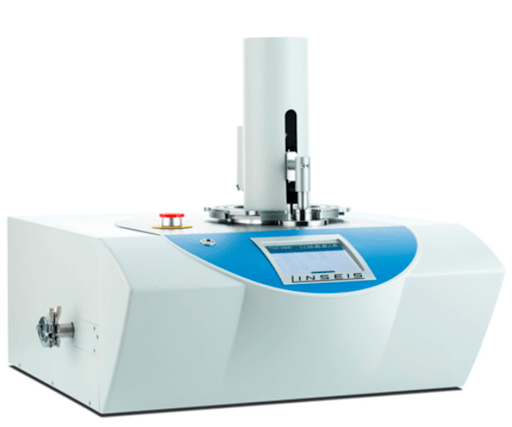
Thermogravimetric Analysis (TGA) is a thermal analysis technique that measures changes in a material’s mass as it is heated under a controlled atmosphere. By tracking weight loss or gain as a function of temperature or time, TGA provides direct insight into material composition and thermal stability.
At Materials Metric, TGA is used to determine decomposition temperatures, multi-stage degradation behavior, moisture and volatile content, filler or ash content, and oxidation or reduction behavior. These measurements are critical for evaluating the quality, composition, and performance of polymers, composites, biomaterials, pharmaceuticals, and engineered materials.
Use of TGA
TGA is used to:
• Identify degradation temperatures and thermal stability
• Quantify volatiles, moisture, and residual monomers
• Determine filler and ash content in composites
• Study oxidation, pyrolysis, and multi-step decomposition
• Compare material behavior before/after sterilization or aging
• Validate polymer composition and purity
Applications of TGA
• Polymers & Composites: filler %, thermal decomposition
• Biomaterials: multi-step breakdown, water content
• Coatings & Adhesives: solvent loss, curing verification
• Metals/Ceramics: oxidation behavior
• APIs & Pharmaceuticals: degradation pathways
Sample Analysis Process
1. Submission & Objective Review
• Identify sample type and required temperature range
• Choose inert (N₂) or oxidative (air/O₂) atmosphere
2. Sample Preparation
• Samples are tested as solids, no dissolution is used
• Powders, flakes, films, pellets, fibers placed directly into TGA pans
• Sample size typically 5–20 mg
• Moisture-sensitive samples may be pre-dried or sealed
• No solvents, digestion, or liquid handling
3. TGA Testing
• Controlled heating under selected atmosphere
• Continuous mass recording
• Optional derivative TGA (DTG)
4. Data Processing & Reporting
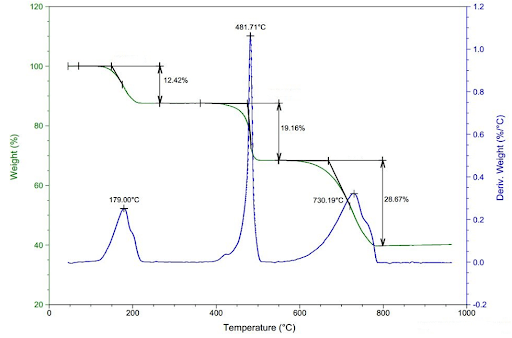
• Mass-loss percentages
• Multi-step decomposition profile
• Residual ash/filler content
• Fully annotated thermograms
Why Choose Materials Metric for Your TGA Analysis
Materials Metric provides high-resolution thermal decomposition data with expert chemical interpretation.
Our TGA capabilities include:
- Accurate filler, ash, moisture, and volatile quantification
- Inert and oxidative atmosphere testing
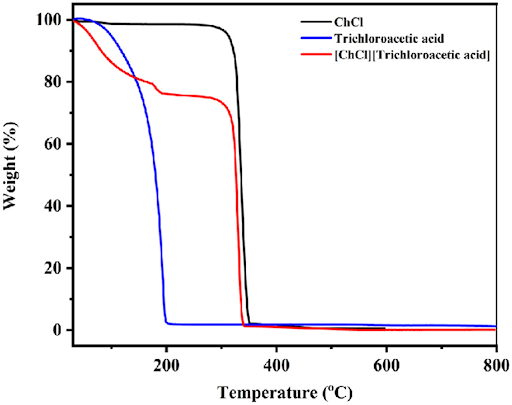
- Detailed mapping of multi-step degradation events
- Interpretation aligned with polymer chemistry and composite formulation
- Reporting tailored to R&D, quality control, material validation, and regulatory submissions
Your TGA data becomes a clear, reliable understanding of your material’s thermal behavior and composition.