
Independent Medical Device Materials Testing & ISO 10993 Chemical Characterization
Medical Device Materials Testing & Implant Characterization
Medical devices and implantable systems must demonstrate material safety, chemical stability, and long-term performance under physiological conditions. Material composition, surface characteristics, degradation behavior, and trace elemental impurities can directly impact biocompatibility outcomes and regulatory approval timelines.
From orthopedic implants and cardiovascular stents to surgical instruments and polymer-based devices, medical device materials testing plays a critical role in risk mitigation and regulatory documentation.
Materials Metric provides independent analytical testing to support medical device manufacturers during R&D, verification, and pre-submission phases.
Industry Risks & Technical Challenges
Medical device failures are often rooted in materials-level issues. Common challenges include:
- Trace metal impurities contributing to adverse biological response
- Surface contamination affecting osseointegration
- Polymer degradation altering mechanical properties
- Extractables migrating from device components
- Corrosion in metallic implants under physiological conditions
- Thermal instability affecting sterilization performance
Undetected material inconsistencies can result in regulatory delays, costly redesigns, or product recalls. Early-stage chemical characterization significantly reduces downstream risk.

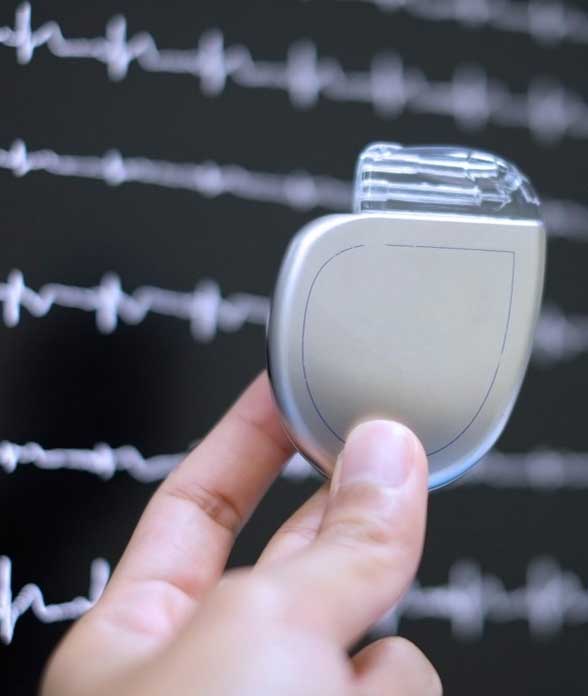
Our Analytical Approach to Medical Device Materials Testing
Our approach focuses on generating defensible chemical and structural data aligned with regulatory expectations. We support ISO 10993 chemical characterization strategies and material risk assessments through comprehensive analytical testing.
Our services include:
- Extractables and Leachables Screening to identify organic and inorganic compounds released under simulated use conditions
- Elemental Impurity Analysis (ICP-OES / ICP-MS) to quantify trace metals and support risk assessment
- Surface Morphology & Microstructural Evaluation (SEM/EDS) to evaluate coating integrity, contamination, and implant surfaces
- Thermal Analysis (DSC, TGA) to assess polymer stability, degradation onset, and sterilization resilience
- Corrosion and Oxidation Assessment for metallic implants
- Fracture Surface & Failure Analysis to determine root causes of mechanical failure
- Accelerated Aging Studies aligned with ASTM F1980
As an independent analytical laboratory, we provide objective materials data to support engineering decisions and regulatory submissions.
Applicable Standards & Regulatory Frameworks
Testing programs may be structured with reference to applicable standards depending on device class and intended use:
- ISO 10993 Series – Biological Evaluation of Medical Devices
- ISO 10993-18 – Chemical Characterization
- ISO 10993-5 and -10 – Biological Endpoints
- ISO 10993-12 – Sample Preparation
- ASTM F1980 – Accelerated Aging
- ASTM F86 – Surface Preparation of Metallic Implants
- ASTM E1508 – Metallographic Examination
Our analytical data supports risk assessment documentation under FDA 510(k), PMA, and international regulatory pathways.

Materials We Evaluate
Medical devices incorporate metallic, polymeric, and ceramic materials that must meet strict performance and safety requirements.
Common materials include:
- Titanium alloys (Ti-6Al-4V)
- Cobalt-chrome alloys
- Stainless steel (316L)
- Nitinol
- PEEK
- UHMWPE
- Silicone elastomers
- Bioresorbable polymers (PLGA)
- Bioactive ceramics and calcium phosphates
Common Failure Investigations We Support
We frequently assist clients in investigating:
- Unexpected cytotoxicity linked to elemental impurities
- Surface coating delamination
- Polymer embrittlement after sterilization
- Corrosion pitting in metallic implants
- Fracture origin analysis in orthopedic components
Root cause identification at the materials level reduces regulatory risk and accelerates corrective action.
Why Independent Materials Testing Matters
Independent medical device materials testing strengthens regulatory submissions and internal validation processes. Early analytical characterization reduces development uncertainty, supports ISO 10993 chemical risk assessments, and provides defensible documentation for FDA and international authorities.
Materials Metric supports manufacturers seeking technically rigorous, risk-informed materials analysis.
Internal Links
- Thermal Analysis Services
- ICP-OES & ICP-MS Elemental Analysis
- Surface & Microstructural Analysis
- Extractables & Leachables Testing
- Materials Failure Analysis