
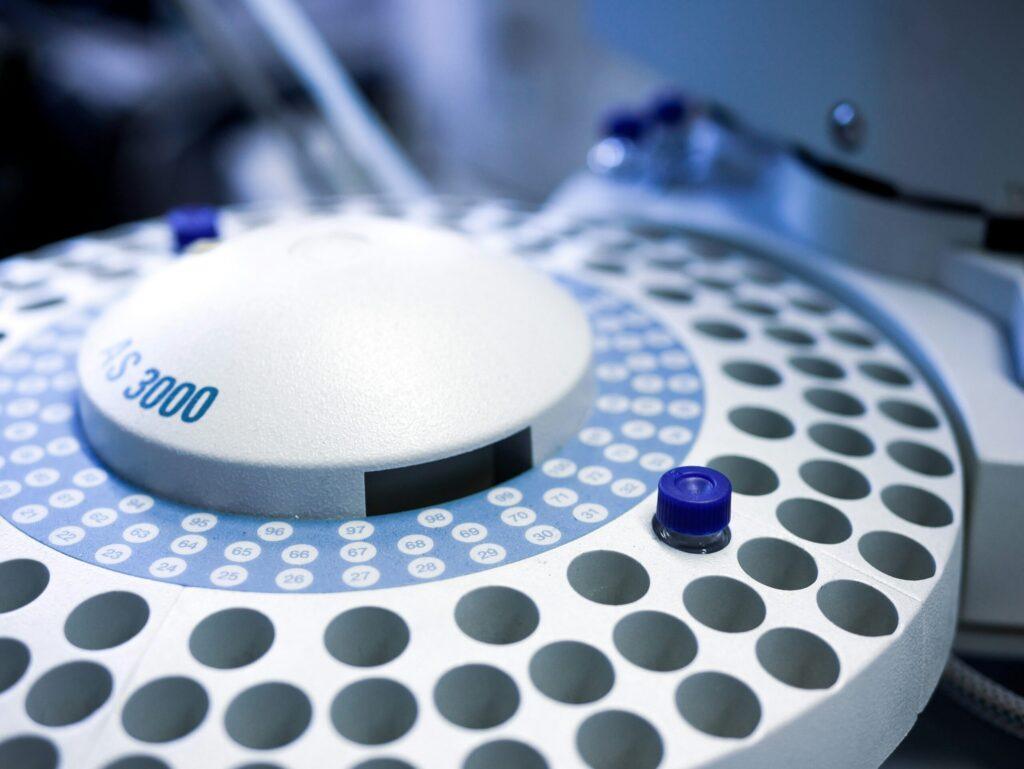
Analytical testing is a foundation of modern science, manufacturing, and product development. It ensures that materials, products, and processes meet strict quality, safety, and regulatory requirements across industries. From pharmaceuticals and medical devices to food, environmental monitoring, and advanced materials, analytical testing provides the data needed to make informed, defensible decisions.
At its core, analytical testing enables precise identification, quantification, and characterization of materials-supporting innovation while reducing risk.
What Is Analytical Testing?
Analytical testing involves the scientific evaluation of a material’s composition, structure, and properties. Using validated laboratory techniques, it confirms identity, purity, concentration, and performance characteristics of substances and products.
Results from analytical testing are essential for:
Verifying material composition
Detecting impurities and contaminants
Supporting product development and optimization
Demonstrating regulatory and quality compliance
Because no single technique answers all questions, laboratories employ a suite of complementary analytical methods based on application needs.
Core Analytical Testing Techniques
Spectroscopy
Spectroscopy examines how matter interacts with electromagnetic radiation to reveal chemical structure and composition. It is widely used for material identification, impurity detection, and structural confirmation.
Common spectroscopic techniques include:
Infrared (IR / FTIR) spectroscopy for functional group identification
Nuclear magnetic resonance (NMR) spectroscopy for molecular structure analysis
Ultraviolet–visible (UV-Vis) spectroscopy for concentration and electronic transitions
Chromatography
Chromatography separates complex mixtures into individual components, making it indispensable for purity assessment and trace analysis. It is widely used in pharmaceuticals, food testing, and environmental analysis.
Mass Spectrometry
Mass spectrometry provides high sensitivity and specificity, allowing precise determination of molecular weight and composition. When coupled with chromatography, it enables identification of unknown compounds and trace impurities in complex samples.
Together, these techniques form the backbone of modern analytical laboratories.
The Role of Data Analysis in Analytical Testing
Analytical testing does not end with measurement. Data analysis transforms raw signals into meaningful, actionable insights.
Key steps include:
Data acquisition and validation
Data processing and cleaning
Statistical analysis and trend identification
Interpretation against specifications or standards
Advanced software tools are increasingly used to manage large datasets, improve accuracy, and reduce subjectivity. Robust data analysis is critical for ensuring confidence in results, particularly in regulated industries where decisions must be scientifically defensible.
Analytical Testing in Quality Control
Quality control depends on reliable analytical testing to ensure products consistently meet specifications. It plays a critical role in safeguarding safety, efficacy, and performance.
Analytical testing supports quality control by:
Verifying ingredient consistency and formulation accuracy
Detecting contaminants, degradation products, and impurities
Ensuring compliance with regulatory and industry standards
Confirming product performance and stability
Early detection of issues through analytical testing reduces production risk, minimizes recalls, and protects both consumers and brand reputation.
Applications Across Industries
Analytical testing is essential across a wide range of sectors:
Pharmaceuticals and medical devices: Ensuring safety, purity, and performance
Food and beverage: Detecting contaminants, additives, and nutritional components
Environmental monitoring: Analyzing air, water, and soil samples
Manufacturing and materials science: Characterizing raw materials and finished products
Forensics: Supporting evidence analysis and investigations
The versatility of analytical testing allows it to adapt to evolving scientific and industrial challenges.
The Future of Analytical Testing
Advances in technology continue to reshape analytical testing, making it faster, more sensitive, and more data-driven.
Key trends include:
Integration of artificial intelligence and machine learning
Increased laboratory automation
Development of higher-resolution and higher-sensitivity instruments
Real-time data acquisition and analysis
These innovations enhance efficiency, improve data quality, and support faster decision-making—positioning analytical testing as a central driver of future innovation.
Why Analytical Testing Matters
Analytical testing underpins product quality, safety, and regulatory compliance across industries. It enables organizations to innovate with confidence, reduce risk, and meet increasingly complex performance and compliance requirements.
At Materials Metric, analytical testing is performed using rigorous, ISO-aligned workflows and advanced instrumentation to deliver precise, reliable, and actionable data. Our commitment to scientific integrity, customization, and data quality ensures testing solutions that not only meet but exceed industry expectations.
As technologies evolve and materials become more complex, analytical testing will remain indispensable, serving as the scientific foundation for progress, safety, and excellence.