
Skin & Tissue Equivalent Models
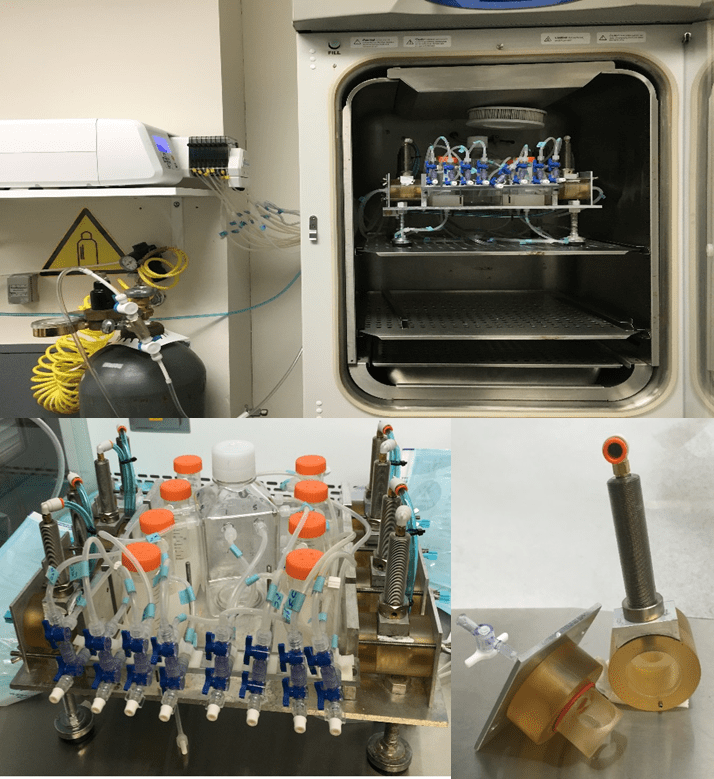
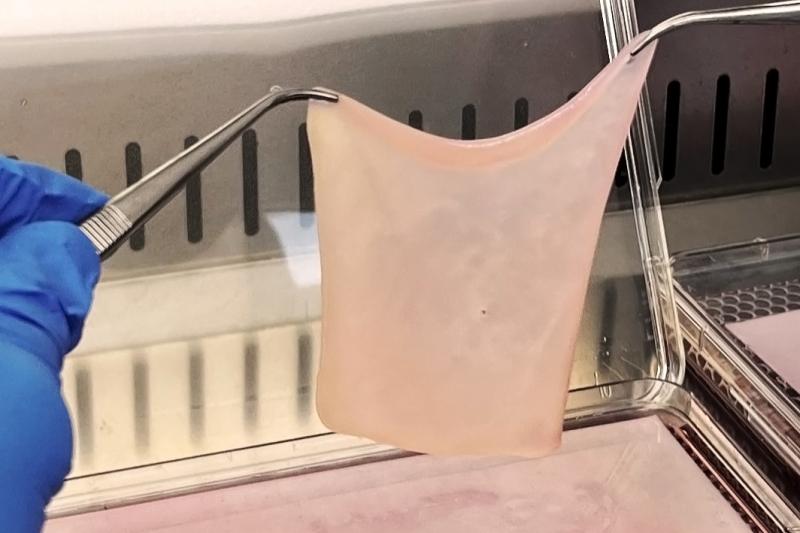
Skin and tissue equivalent models are engineered in-vitro systems designed to mimic the structure, function, and biological behavior of human tissues. These models provide a controlled, physiologically relevant environment for evaluating biomaterials, medical devices, pharmaceuticals, cosmetics, wound-care products, and tissue-engineering strategies, without requiring immediate in-vivo testing. By replicating key features of human tissues such as epidermal and dermal layers, extracellular matrix (ECM), vascularization cues, barrier properties, and cellular interactions, these models enable accurate assessment of biocompatibility, irritation potential, healing response, barrier integrity, and regenerative capability.
Materials Metric develops and characterizes custom soft- and hard-tissue equivalents, enabling high-quality data for R&D decision-making, product optimization, safety assessment, and regulatory submissions across biomedical, dental, pharmaceutical, and materials science applications.
Skin & Tissue Equivalent Models Can Achieve
1. Biocompatibility & Safety Evaluation
Cytotoxicity, irritation, and sensitivity screening
Assessment of inflammatory or immune response
Non-animal alternatives aligned with OECD guidelines (where applicable)
2. Barrier Function & Permeability Testing
TEER measurement for barrier integrity
Permeation and penetration studies
Evaluation of topical formulations, coatings, and transdermal devices
3. Wound Healing & Regeneration Studies
Models for excisional, incisional, or burn-type wounds
ECM remodeling, collagen deposition, and angiogenic response
Tracking cell migration and re-epithelialization
4. Material–Tissue Interaction Analysis
Response to scaffolds, implants, hydrogels, coatings, and biomaterials
Cell adhesion, infiltration, and matrix production
Local inflammatory and remodeling behavior
5. Functional & Mechanical Assessment
Elasticity, stiffness, and viscoelastic measurements
Structural integrity and degradation behavior
Response to mechanical loading or stress
6. Disease & Pathology Modeling
Psoriasis, dermatitis, fibrosis, and chronic wound models
Infection models for antimicrobial or biofilm studies
Applications
Biomedical Devices & Implants
Skin-contact medical devices
Dermal fillers, wound dressings, scaffold materials
Pharmaceutical & Drug Delivery Systems
Transdermal patches, microneedles, topical formulations
Drug permeation and release studies
Cosmetic & Personal Care Products
Irritation and sensitivity testing
Efficacy evaluation of active ingredients
Barrier repair and hydration studies
Regenerative Medicine & Tissue Engineering
Testing engineered tissues, scaffolds, and ECM-based biomaterials
Preclinical validation without animal use
Skin & Tissue Equivalent Model Development Workflow
1. Model Selection & Experimental Planning
Choose 2D, 3D, multilayered, or organoid-like models
Define performance metrics (barrier integrity, viability, cytokine release, remodeling)
2. Scaffold & Substrate Preparation
Evaluate biomaterials, hydrogels, decellularized matrices, or synthetic scaffolds
Surface conditioning and sterilization
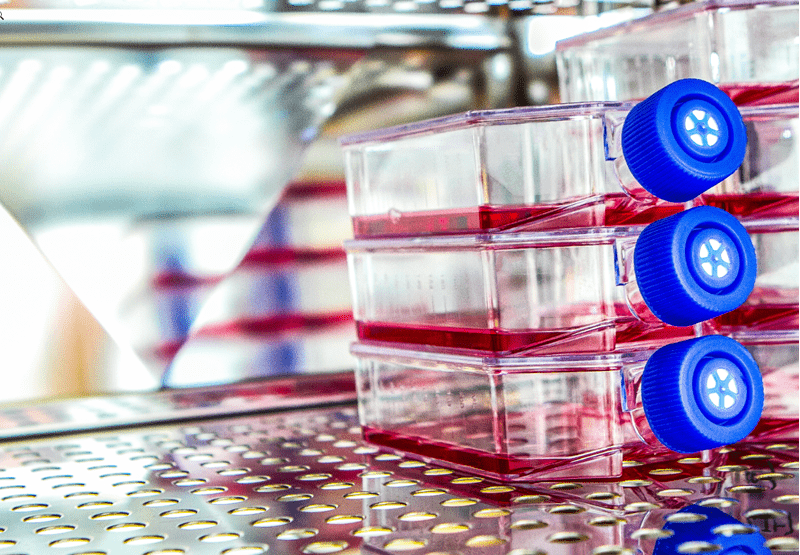
3. Cell Seeding & Culture Establishment
Keratinocytes, fibroblasts, endothelial cells, immune cells, or co-culture systems
Dynamic culture options (air–liquid interface, perfusion)
4. Functional Assay Implementation
Viability, proliferation, and metabolic assays
TEER, permeability, and wound-healing assessments
Cytokine and biomarker profiling
5. Imaging & Structural Evaluation
Histology (H&E, Masson’s Trichrome)
CLSM, fluorescence microscopy, and SEM
ECM quantification and structural analysis
6. Data Interpretation & Reporting
Quantitative analysis with statistical evaluation
Insightful recommendations for design or formulation optimization
Optional regulatory-supportive reporting
Why Choose Materials Metric
Materials Metric brings together biomaterials expertise, cellular biology capabilities, advanced imaging, and analytical precision to deliver high-quality, reproducible tissue-equivalent testing.
We offer:
ISO 9001:2015–aligned processes ensuring rigor and traceability
Expertise across skin biology, wound healing, ECM science, biomaterials, and tissue engineering
Advanced microscopy and biochemical assays to characterize tissue structure and function
Customized models tailored to your device, formulation, or research question
Integrated testing of biocompatibility, inflammation, mechanical performance, and functional response
Deliverables suitable for R&D decisions, publications, and regulatory submissions
Our engineered tissue models provide a powerful non-animal platform to evaluate material safety, function, and efficacy in a controlled and scientifically robust manner.
Related services