
Biological Risk Assessment (BRA)
Accurate biological safety evaluation requires a systematic, risk-based understanding of how material composition, processing, and intended use influence biological response.
At Materials Metric, Biological Risk Assessment (BRA) integrates chemical characterization, toxicological principles, exposure pathways, and clinical use scenarios to evaluate the potential for adverse biological effects across the full product lifecycle. Our assessments align with ISO 10993, FDA guidance, and global regulatory expectations, providing a defensible scientific rationale for test selection, risk mitigation, and regulatory submission.
By combining materials science, analytical chemistry, and biological insight, Materials Metric delivers clear, science-driven BRA reports that support product safety decisions, reduce unnecessary testing, and accelerate regulatory approval.
Biological Risk Assessment Includes:
A scientifically defensible risk assessment typically incorporates:
Material Composition Review
Assessment of all materials, additives, processing agents, and potential leachables.ISO 10993 Endpoint Evaluation
Determining which biological tests are required (cytotoxicity, sensitization, irritation, systemic toxicity, hemocompatibility, genotoxicity, implantation, etc.).Toxicological Risk Assessment
Evaluating Extractables & Leachables data to assess patient exposure and margin of safety.Device Categorization
Using nature of body contact, duration, and clinical application to classify risk.Gap Analysis
Identifying missing data, outdated studies, or inconsistencies with ISO and FDA expectations.Regulatory Pathway Alignment
Mapping findings to FDA 510(k), De Novo, PMA, EU MDR, or global regulatory pathways.

Applications
A thorough biological evaluation is essential for:
Medical Devices (Implantable, External, Short- or Long-Term Use)
Metals, polymers, ceramics, coatings, adhesives, and composites used in clinical settings.Biomaterials & Tissue-Contacting Systems
Hydrogels, scaffolds, soft-tissue substitutes, dental materials, and regenerative implants.Combination Products & Drug–Device Systems
Drug-coated implants, antimicrobial coatings, controlled-release systems.Diagnostics & In Vitro Systems
Reagents, device housings, sample-contact components.Nanomaterials & Advanced Surface Modifications
Plasma-treated surfaces, nanotextured implants, bioactive coatings.
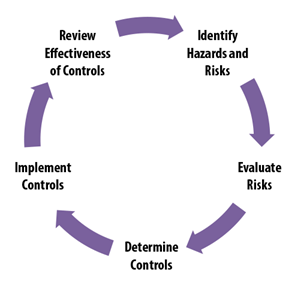
Biological Assessment Process
1. Material & Design Review
Collection of all available material specifications
Identification of potential toxicological concerns
Review of manufacturing, sterilization, and processing steps
2. Clinical Use & Exposure Characterization
Mapping of contact type, duration, and patient population
Defining potential exposure dose from extractables and leachables
3. Toxicological Evaluation
Detailed toxicology assessment by qualified experts
Margin of safety calculations using NOAEL/PDE values
Recommendations on safe exposure levels
4. ISO 10993 Gap Assessment
Determining required biological endpoints
Evaluating historical data for compliance
Recommending missing or updated studies
5. Final Biological Risk Assessment Report
Fully documented risk assessment aligned with ISO 10993-1
Clear justification for selected endpoints
Risk conclusions and next steps for regulatory submissions

Why Choose Materials Metric
Biological Risk Assessments at Materials Metric are conducted with a level of scientific rigor and toxicological depth essential for a defensible ISO 10993-1 submission.
We offer:
- ISO 10993-1 aligned risk assessment frameworks
- ISO 9001:2015 accredited documentation and quality control
- Expert toxicologists and biomaterials scientists who translate data into regulatory-ready justification
- Integration of chemistry, toxicology, and biological test results for a unified risk profile
- Clear hazard identification and gap analysis to streamline your biocompatibility strategy
Materials Metric produces strong, regulator-trusted risk assessments that help prevent delays in your FDA submission process.
Related services